By Oko, Founder of Offshore Pipeline Insight
Published: April 10, 2026
As the oil and gas industry navigates a complex landscape of policy shifts, cost pressures, and regulatory tightening, three themes stand out for 2026: the push for U.S. energy dominance paired with trade tariffs, stricter methane abatementrequirements, and continued M&A consolidation through “mergers of equals” among mid-sized shale players. Each has significant implications for pipeline developers, midstream operators, and offshore infrastructure planning.
Energy Dominance & Tariffs: Rising Project Costs from Steel and Metal Duties
The Trump administration’s emphasis on energy dominance — aiming for record domestic production and reduced reliance on foreign energy — is being implemented alongside aggressive trade policy. Section 232 tariffs on steel, aluminum, and copper have been strengthened, with rates reaching 50% on goods made primarily from these metals and 25% on many derivatives.For the pipeline and midstream sector, the impact is direct and material:
- Steel accounts for a substantial portion of pipeline construction costs (often one-third or more for new lines).
- Tariffs are driving up input prices, with steel mill products rising ~20% year-over-year and aluminum shapes up ~33% in early 2026.
- Overall, material and service costs across the oil and gas value chain could increase 4–40%, potentially delaying projects worth tens of billions and compressing margins.
- Offshore and gathering pipeline projects face added pressure, with some operators already re-pricing bids or postponing final investment decisions (FIDs).
While domestic steel production is expected to benefit long-term, near-term supply chain disruptions and higher costs are forcing midstream companies to reassess economics — especially for expansions tied to LNG exports, power demand from data centers, or new gathering systems in shale basins.
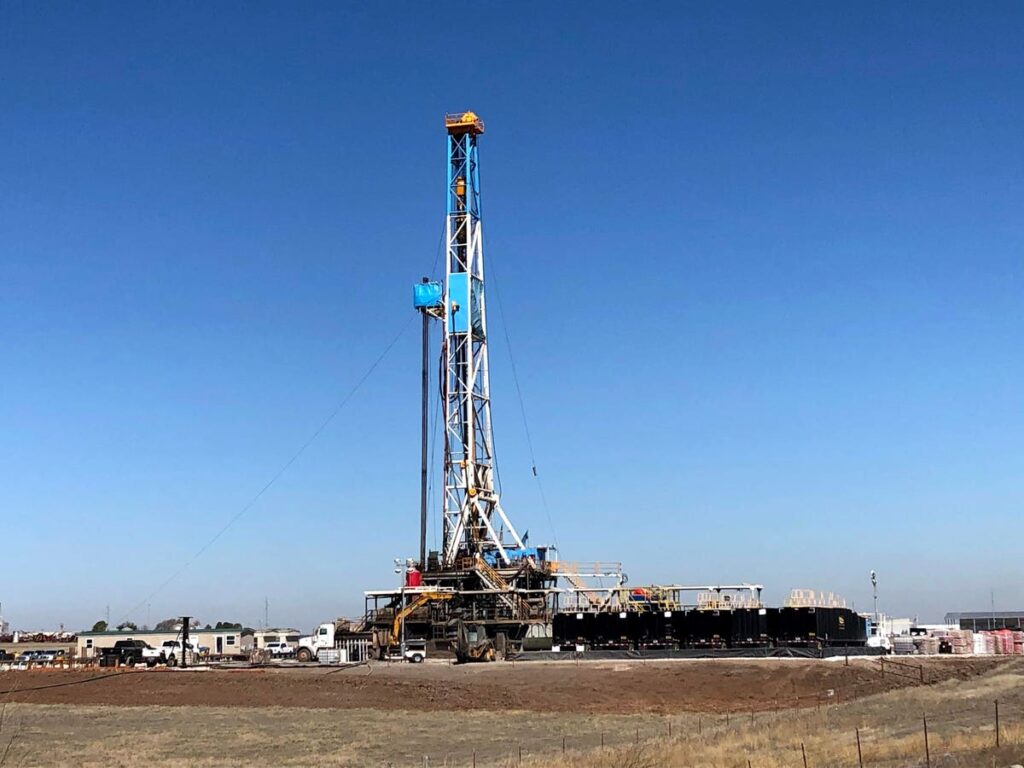
Onshore drilling and pipeline construction site — steel tariffs on imported materials are raising costs for casing, line pipe, and infrastructure, directly affecting project economics in 2026.
Methane Abatement: Regulations Driving Demand for Real-Time Sensor Networks and LDARBoth the European Union and U.S. states are tightening methane rules, pushing operators toward advanced leak detection and repair (LDAR) technologies and continuous monitoring.
- The EU Methane Regulation (2024/1787) mandates frequent LDAR surveys (at least twice yearly, with encouragement for quarterly), rapid repairs (often within 5–30 days), bans on routine venting/flaring, and strict measurement, reporting, and verification (MRV). It also imposes transparency requirements on imported oil and gas, with a Methane Transparency Database launching in 2026.
- In the U.S., federal rules (NSPS OOOOb) and state-level requirements continue to emphasize continuous monitoring for flares, valves, and other equipment, with deadlines extending into mid-2026.
This regulatory wave is accelerating adoption of real-time sensor networks, drone-based or vehicle-mounted optical gas imaging, IoT perimeter monitors, and satellite/continuous emission detection systems. For pipeline operators, the shift means investing in fixed or mobile sensors along gathering and transmission lines to achieve early leak detection, reduce emissions, and avoid penalties.The opportunity for midstream lies in deploying these technologies not just for compliance but for operational efficiency and lower fugitive losses.
M&A Consolidation: “Mergers of Equals” as Mid-Sized Shale Players Seek Scale
After a record wave of large deals in prior years, upstream M&A cooled in 2025 (global value ~$170 billion, down 17% YoY). For 2026, analysts expect a choppier but still active market, with a new focus on “mergers of equals” among small- and mid-cap U.S. shale operators.
- Smaller producers are combining to achieve scale, cut costs, extend inventory life, and improve access to capital in a lower-price environment.
- Companies in the Permian, Bakken, and other plays are eyeing peer tie-ups to build operational efficiency and compete with larger consolidated players.
- This consolidation trend affects midstream directly: fewer, larger operators often mean more concentrated production hubs, optimized gathering systems, and revised pipeline routing or capacity needs.
The result could be more predictable volume profiles for pipelines but also shifts in bargaining power during contract negotiations.
Outlook for Pipeline and Midstream Operators
These trends intersect in important ways:
- Higher steel costs from tariffs may slow new pipeline builds or expansions, pushing operators toward repurposing existing lines (e.g., for hydrogen blends, CO₂ transport in CCUS, or low-carbon molecules).
- Methane rules will require enhanced monitoring along pipeline networks, creating demand for integrated sensor and data platforms.
- Shale consolidation may lead to more efficient super-pad developments, reducing the number of tie-in points while increasing the scale of takeaway requirements.
In an era of energy dominance policy, the industry must balance aggressive domestic production goals with rising input costs and environmental compliance.
What impacts are you seeing from steel tariffs on your pipeline projects?
How are methane regulations shaping your leak detection strategies?
And do you expect more “mergers of equals” to reshape midstream contracting in the basins you follow? Share your thoughts in the comments.