Written by Oko
Founder, Offshore Pipeline Insight
May 24, 2026
The oil and gas industry in late May 2026 is navigating a complex mix of geopolitical shocks, elevated prices, strong regional growth, and continued capital discipline. Here’s a clear, up-to-date overview of the major trends and their direct implications for pipeline professionals.
1. High Oil Prices Driven by Strait of Hormuz Disruptions
Brent crude is currently trading in the $103–$108 per barrel range, with spikes earlier in May pushing prices above $110–$118/bbl. The main driver is the ongoing disruption in the Strait of Hormuz — the world’s most critical energy chokepoint.
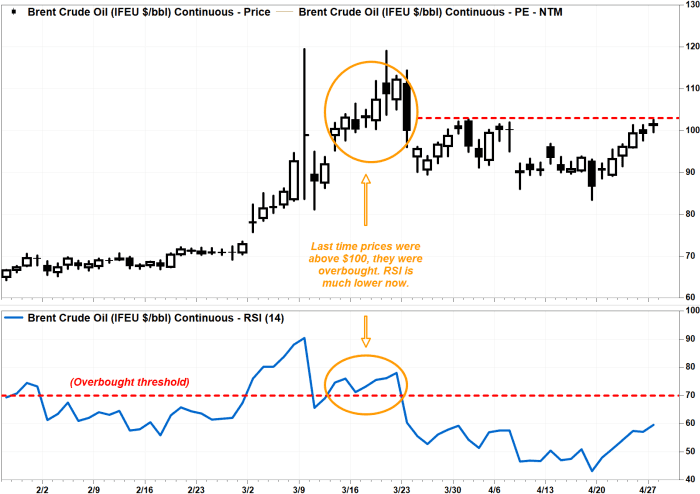
Brent Crude Oil Price Trend 2026 — Elevated prices driven by geopolitical risk premium.
Military tensions have restricted shipping through the strait, which carries roughly 20–25% of global seaborne oil trade. This has caused major inventory draws and forced consuming nations to tap into strategic reserves. While prices may moderate to $80–$95/bbl by year-end if tensions ease, near-term volatility remains very high.
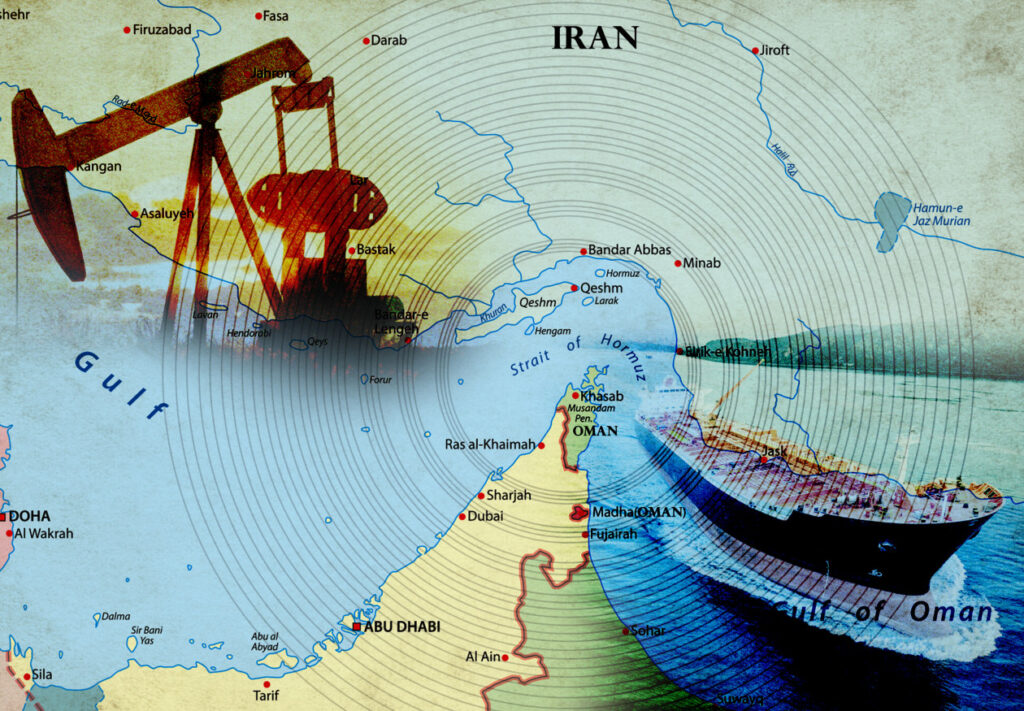
Strait of Hormuz Risk Map — Visualizing the strategic importance and vulnerability of this critical waterway.
2. Strong Capital Discipline + Focus on Cash Flow
Even with high oil prices, most majors and operators continue strict capital discipline. Free cash flow generation, shareholder returns (dividends and buybacks), and only the highest-return projects are prioritized over aggressive volume growth.
CapEx budgets remain tight, non-core assets are being divested, and marginal projects are deferred. This disciplined approach favors brownfield tie-backs, pipeline integrity upgrades, and digital optimization projects that deliver fast returns.
3. The Americas: The Bright Spot Driving Global Supply Growth
While the Middle East faces challenges, the Western Hemisphere is powering global production increases:
- Guyana continues its remarkable rise. Production has already exceeded 900,000 barrels per day, with new FPSOs in the Stabroek Block pushing toward 1.1+ million bpd later in 2026.
- Brazil is expanding pre-salt developments aggressively.
- US LNG exports remain robust.
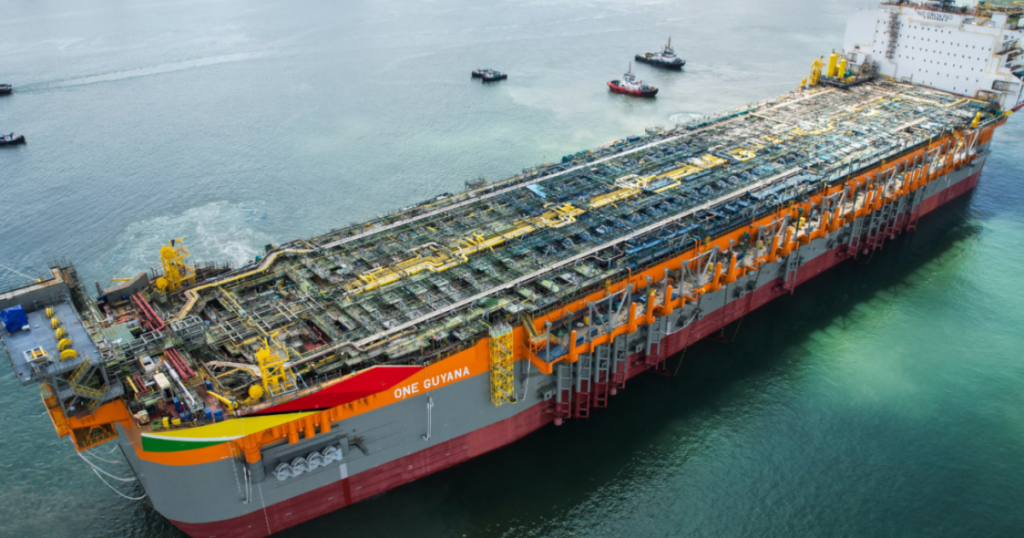
FPSO in Guyana’s Stabroek Block — One of the major facilities driving massive subsea and pipeline demand.
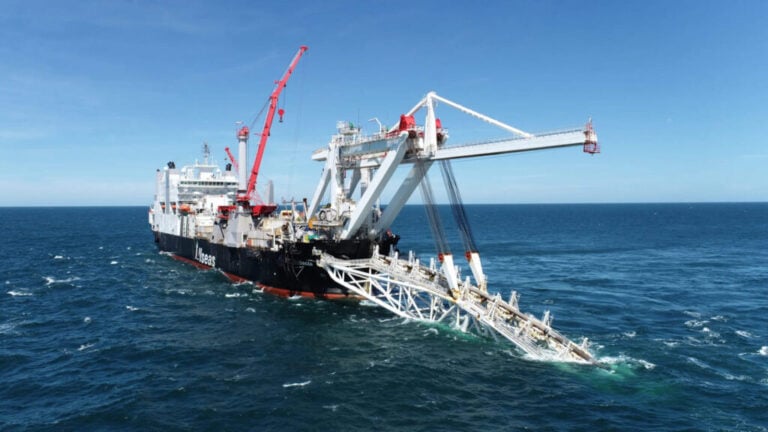
Subsea Pipeline Installation Vessel — Heavy activity supporting deepwater projects in the Americas.
4. AI, Digital Transformation & Operational Efficiency
One of the fastest-growing trends is the widespread adoption of AI and digital twins for predictive maintenance, real-time monitoring, corrosion management, and flow assurance.
Digital Twin Technology in Offshore Operations — Combining physical assets with real-time digital models for better decision-making.
5. LNG Expansion and Energy Transition Pressures
LNG remains a bright spot with strong global demand. At the same time, companies continue selective investments in methane reduction, carbon capture (CCS), and repurposing pipelines for hydrogen or CO₂ transport.
6. Persistent Talent Shortage
The industry continues to face a shortage of experienced professionals. Skilled subsea pipeline engineers, flow assurance specialists, integrity managers, and digital-savvy engineers are in high demand, particularly for projects in Guyana, Brazil, and the Gulf of Mexico.
What This Means for Pipeline Professionals
2026 offers a selective but strong opportunity environment:
- High prices and new developments in the Americas = increased work on subsea tie-backs and export pipelines.
- Capital discipline = preference for brownfield integrity and optimization projects.
- Digital transformation = growing demand for engineers comfortable with AI and digital tools.
Bottom Line:
The industry is volatile but resilient. Geopolitical risks dominate headlines, but regional growth in the Americas, technological advancement, and disciplined execution are creating real opportunities for those in the pipeline and subsea space.