Published by Oko
Founder, Offshore Pipeline Insight
May 30, 2026.
Subsea infrastructure is no longer just a support system for offshore production — it is becoming one of the most powerful levers for energy efficiency in the entire oil and gas industry. In 2026, operators are using advanced technologies to reduce operational costs, lower carbon emissions, extend asset life, and prepare for the energy transition.
This article explores how subsea systems are redefining efficiency, the importance of this shift, real-world case studies, and what lies ahead beyond 2026.
The Importance of Energy Efficiency in Subsea Operations
Subsea operations are among the most energy-intensive and expensive parts of offshore production. Long tie-backs, high-pressure environments, and aging assets drive up OPEX and carbon footprints. Improving energy efficiency in subsea infrastructure delivers multiple benefits:
- Significant Cost Reduction: Lower power consumption, reduced topside facilities, and optimized flow assurance can cut OPEX by 20–40%.
- Lower Carbon Emissions: More efficient subsea boosting and compression reduce the need for gas flaring or high-emission topside equipment.
- Extended Asset Life: Better monitoring and predictive maintenance delay costly interventions and decommissioning.
- Regulatory Compliance: Bodies like the North Sea Transition Authority (NSTA) increasingly reward operators who demonstrate clear efficiency and transition plans.
- Higher Recovery Rates: Subsea compression and boosting unlock additional reserves from mature fields without new large platforms.
In short, energy efficiency in subsea systems is now a strategic imperative — not just a nice-to-have.
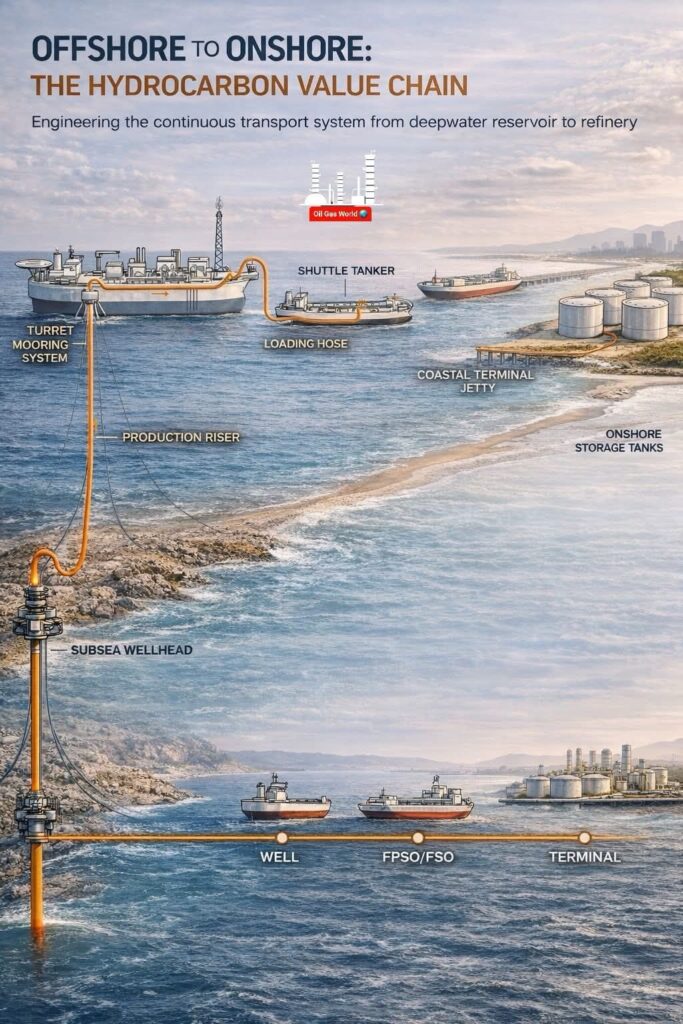
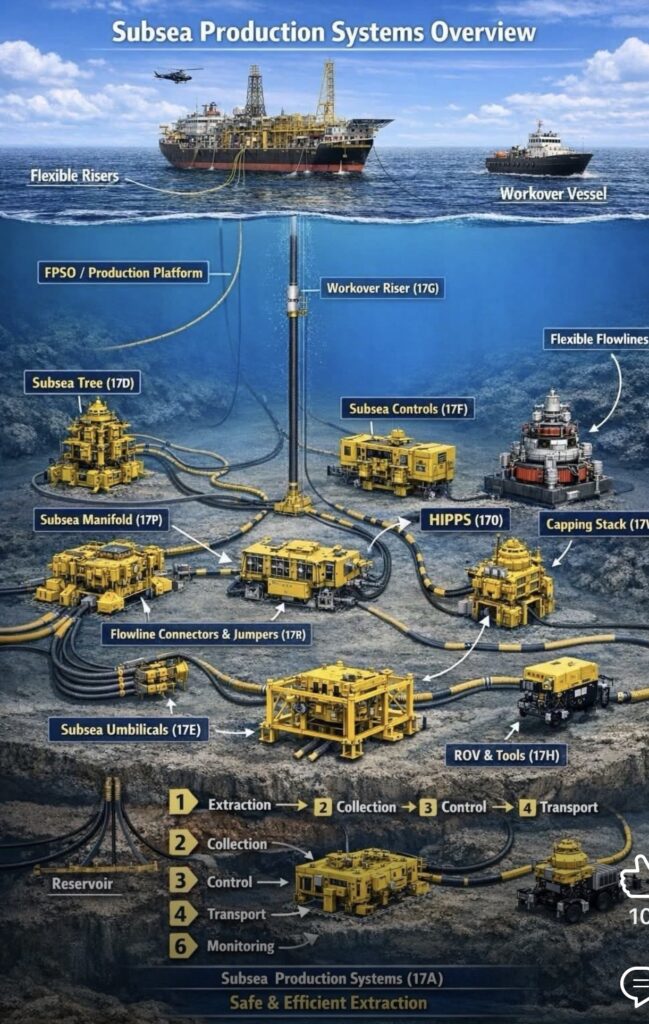
Subsea Pipeline and Infrastructure in Deepwater — The backbone of modern energy efficiency strategies.
Case Studies of Successful Implementation
1. Equinor – Troll Field Digital Twin Program (North Sea)
Equinor deployed a comprehensive AI-powered digital twin across the Troll field in 2025. The system integrates real-time sensor data, historical inspection records, and physics-based models to predict corrosion, fatigue, and flow issues.
Results: 42% reduction in unplanned downtime and 28% lower inspection costs. The operator shifted from time-based to condition-based maintenance with high confidence.
2. Equinor – Åsgard Subsea Compression
The world’s first full-scale subsea compression system at Åsgard continues to deliver outstanding performance in 2026. By placing compression on the seabed close to the reservoir, Equinor reduced backpressure, boosted recovery rates by up to 30% in some reservoirs, and significantly cut topside power consumption and CO₂ emissions.
3. Shell – North Sea CO₂ Repurposing Project
Shell successfully repurposed an existing 18-inch gas pipeline for dense-phase CO₂ transport using internal polymer liners and advanced corrosion monitoring.
Results: The line has operated safely for over 18 months with zero integrity incidents, delivering major cost savings compared to building a new pipeline while supporting the UK’s net-zero goals.
These case studies show that combining digital twins, subsea compression, and smart material upgrades can deliver measurable efficiency gains while supporting the energy transition.
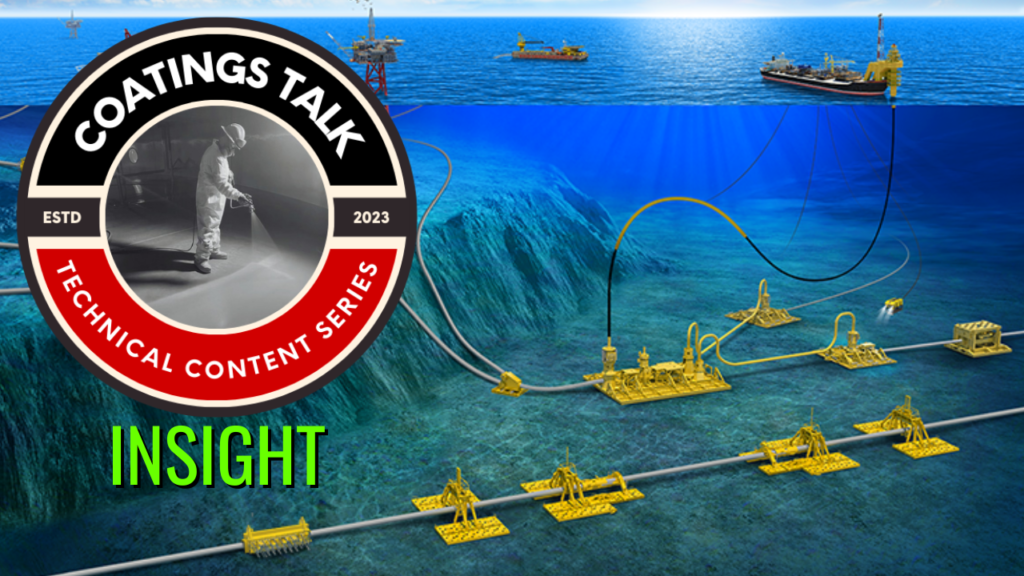
Subsea Compression Module — A key innovation reducing energy consumption and topside requirements.
Future Trends and Challenges Beyond 2026
Emerging Trends:
- Autonomous Subsea Systems: Fully autonomous inspection vehicles and self-diagnosing equipment will reduce the need for frequent ROV interventions.
- Full Subsea Processing: Separation, boosting, and even power generation moving entirely to the seabed.
- Hydrogen-Ready Infrastructure: Widespread adoption of materials and designs specifically engineered for 100% hydrogen transport.
- Integrated Energy Hubs: Subsea infrastructure supporting offshore wind, CCUS, and hydrogen production simultaneously.
- Advanced Fiber-Optic Sensing: Real-time distributed monitoring along entire pipeline routes for temperature, strain, and leak detection.
Key Challenges Ahead:
- High initial capital cost of new technologies
- Talent shortage in digital and hydrogen expertise
- Regulatory uncertainty around repurposed assets
- Material performance under long-term hydrogen exposure
- Cybersecurity risks as systems become more connected
Operators who invest now in modular, future-proof designs will have a significant advantage beyond 2026.
Conclusion
Subsea infrastructure is redefining energy efficiency in 2026 by delivering lower costs, higher recovery, reduced emissions, and better preparation for the energy transition. The combination of AI/digital twins, subsea compression, advanced materials, and intelligent processes is proving transformative.
Actionable Recommendations for Operators:
- Start digital twin pilots on critical or high-risk assets immediately.
- Evaluate repurposing feasibility early in any decommissioning planning cycle.
- Invest in workforce training for digital tools and hydrogen compatibility.
- Prioritize technologies that offer both short-term OPEX savings and long-term transition readiness.
The subsea systems we optimize today will power the energy systems of tomorrow.