By Oko
Founder, Offshore Pipeline Insight
March 14, 2026
As oil and gas basins mature globally, well abandonment also known as plug and abandonment (P&A) is shifting from ad-hoc, high-cost operations to industrialized, streamlined processes. In 2026, with thousands of wells due for decommissioning in regions like the North Sea and Gulf of Mexico, operators are adopting manufacturing-like efficiencies: standardization, automation, and digital tools to reduce costs by 20–40%, minimize environmental risks, and comply with tightening regulations. This blog explores the industrialization of P&A in drilling, highlighting key challenges, technologies, real-world applications, and future trends, complete with visuals for clarity.
The Challenges of Traditional Well Abandonment
Traditional P&A involves sealing wells to prevent leaks, using cement plugs, mechanical barriers, and rigorous verification. However, it’s labor-intensive, weather-dependent, and expensive averaging $5–15 million per offshore well, with non-productive time (NPT) often exceeding 30% due to rig availability, complex geology, or regulatory hurdles. In deepwater or HPHT environments, risks like cement failure or annular pressure buildup amplify, while aging infrastructure demands precise integrity assessments.Industrialization addresses this by treating P&A like assembly lines: repeatable workflows, modular tools, and data-driven planning to scale operations across multiple wells.
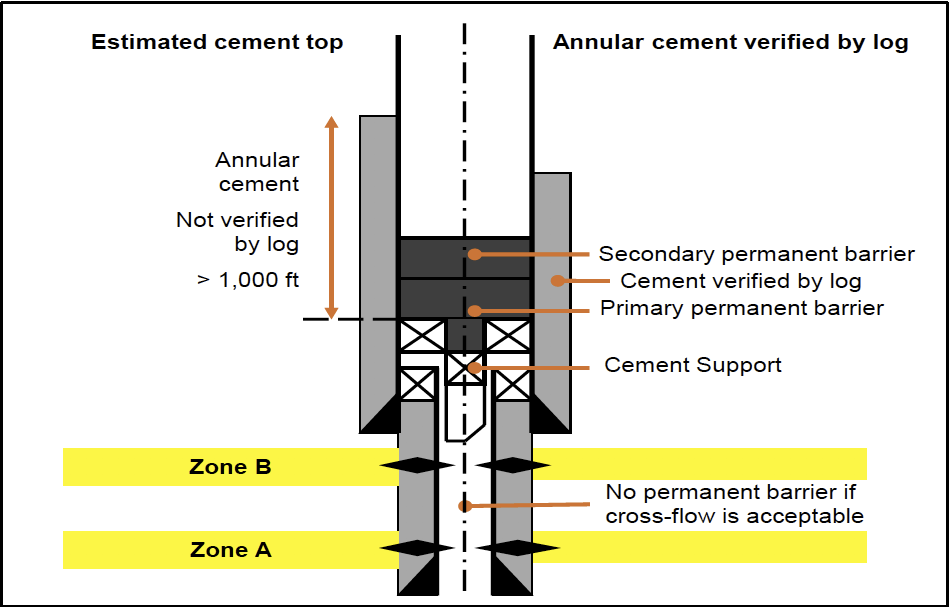
This diagram illustrates standard P&A barrier requirements, showing primary/secondary cement plugs and annular verification core to industrialized verification processes.
Industrialization Approaches: From Rig-Based to RiglessIndustrializing P&A means optimizing for speed, safety, and sustainability. Key strategies include:
- Rigless P&A: Using intervention vessels or light well intervention (LWI) units instead of full rigs, cutting costs by 50% and enabling simultaneous operations. Tools like coiled tubing or wireline deploy barriers without heavy lifting.
- Standardized Workflows: Modular plug designs and pre-engineered plans reduce planning time from months to weeks.
- Automation and Remote Ops: Robotic cutters, automated cement mixing, and remote monitoring minimize human exposure to hazards.
Baker Hughes’ Mature Assets Solutions exemplifies this: In Equinor’s Oseberg East (North Sea), they’re executing P&A at scale in 2026, leveraging integrated tech for permanent barriers
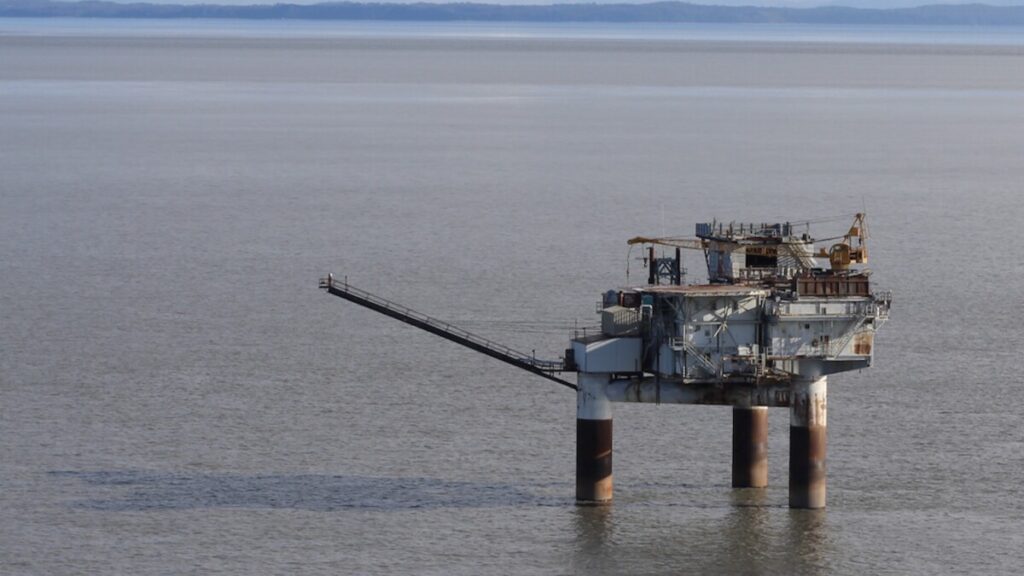
Photo of an abandoned offshore platform during decommissioning phases, highlighting the scale of rig-based abandonment operations transitioning to industrialized methods.
Key Technologies Driving Efficiency
In 2026, emerging tech is central to P&A industrialization:
- AI and Machine Learning: Predictive models analyze historical data for optimal plug placement, reducing NPT by 15–25%. Geopolymers and AI-optimized cements offer sustainable alternatives to traditional materials.
- Advanced Logging and Verification: Thru-tubing cement evaluation tools and machine-learning poromechanical models ensure barrier integrity without full rig intervention.
- Measurement-While-Drilling (MWD) Integration: Adapted for abandonment, providing real-time data for precise barrier setting.
- Sustainable Innovations: Low-carbon cements and rig-to-reef conversions align with ESG goals.
The oilfield services market, projected to reach $215 billion in 2026, sees P&A as a growth driver amid efficiency demands.
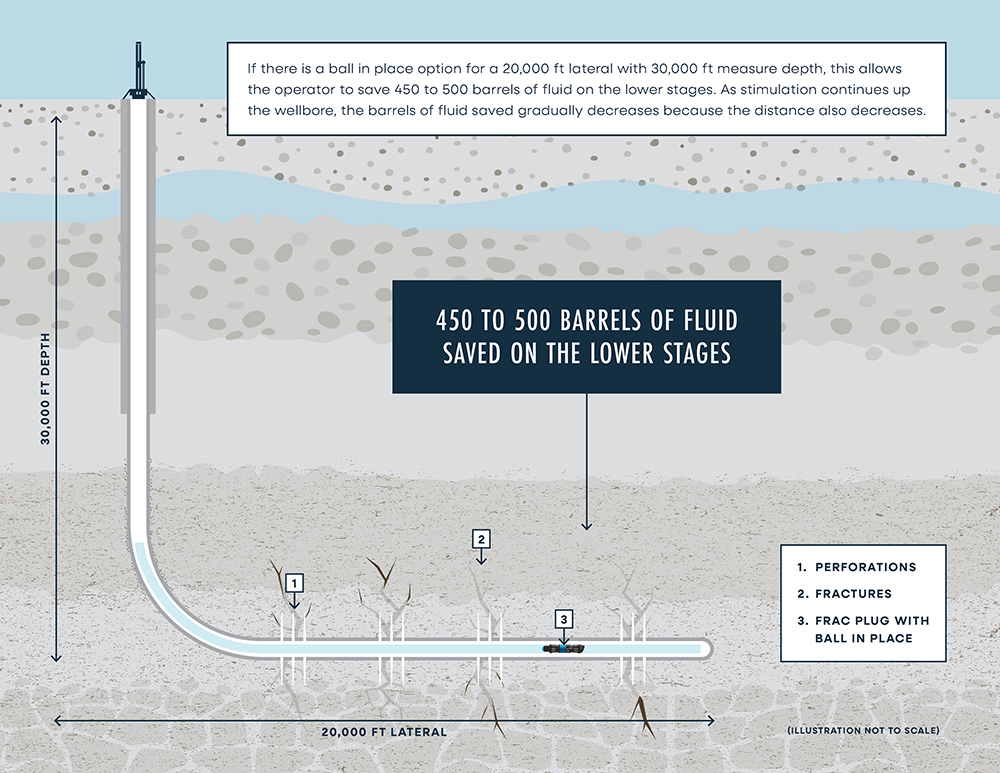
Diagram showing fluid savings in advanced well operations—illustrative of efficiency gains in industrialized P&A through optimized barrier placement.
Case Studies: North Sea and Beyond
Baker Hughes’ North Sea campaigns demonstrate industrialization: Remote ops and continuous tech improvements enable multi-well P&A, with execution starting in 2026 for Equinor’s fields. In the U.S., TGS’ data-driven models predict production stats, aiding abandonment planning. Globally, OTC 2026 sessions highlight field-proven tools like hydraulic disconnect plugs and conductor removal innovations for sustainable decommissioning.
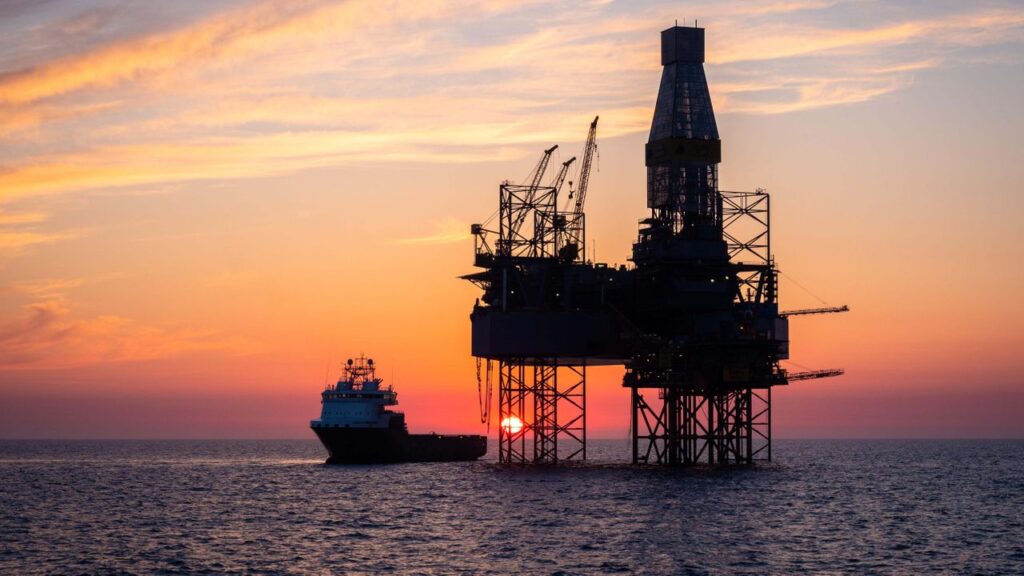
Offshore rig at sunset during abandonment—symbolizing the transition to industrialized, eco-friendly P&A practices like rig-to-reef.
Future Trends: Digital Twins and Beyond 2030By 2030, AI “eyes underground” and autonomous systems could cut P&A downtime by 40% in mature fields. Trends include hybrid power rigs and eco-fluids for greener ops. The market’s 5.6% CAGR underscores P&A’s role in energy transition.
For offshore pros: How is industrialization changing your P&A workflows?
Share below! 