Published By Oko
Founder, Offshore Pipeline Insight
May 30, 2026.
The subsea sector in 2026 is undergoing a quiet revolution. Operators are no longer just maintaining infrastructure — they are transforming it with cutting-edge technologies to boost efficiency, reduce costs, extend asset life, and prepare for the energy transition.
This article explores the most impactful innovations driving subsea efficiency today, including AI and digital twins, subsea compression, advanced materials, and new processes that are delivering measurable cost savings.
1. AI and Digital Twins: From Data to Real-Time DecisionsAI-powered digital twins have moved from concept to standard practice. These live virtual replicas integrate real-time sensor data, inspection records, physics-based models, and machine learning to predict failures, optimize operations, and reduce downtime.
Key Benefits in 2026:
- Predictive maintenance that can forecast issues weeks or months ahead
- Risk-based inspection optimization
- Scenario testing for hydrogen blending or increased throughput
Case Study: Equinor’s Troll field in the North Sea deployed a full digital twin program in 2025. The system reduced unplanned downtime by 42% and cut inspection costs by 28% through condition-based rather than time-based maintenance.
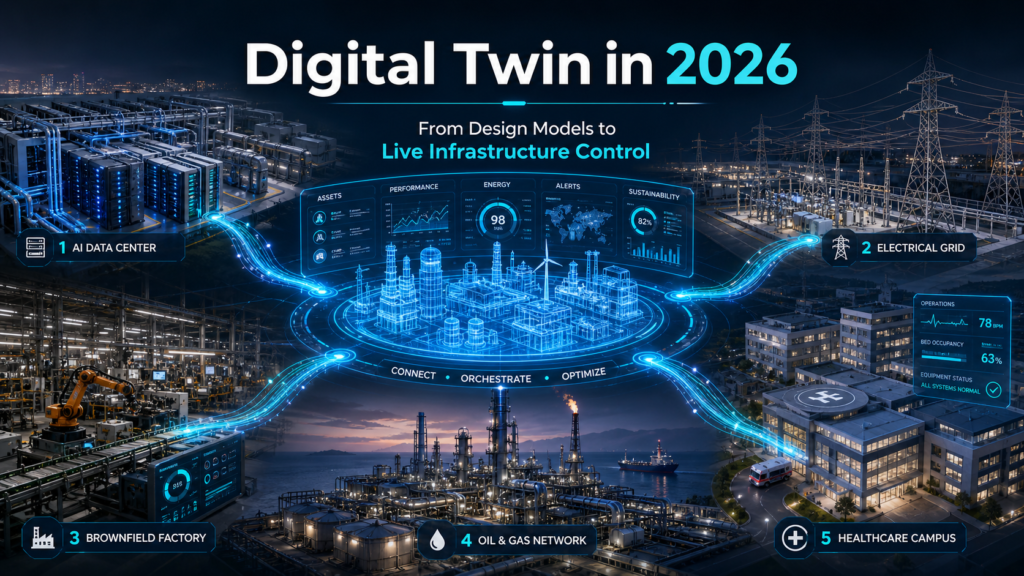
AI-Powered Digital Twin Dashboard — Real-time monitoring and predictive analytics for subsea assets.
2. Subsea Compression: Boosting Recovery and Reducing Topsides
Subsea compression is one of the most significant efficiency innovations. By placing compression closer to the reservoir, operators reduce backpressure, increase recovery rates, and minimize the need for large surface facilities.
Major Projects in 2026:
- Åsgard Subsea Compression (Equinor, Norway): The world’s first full-scale subsea compression system continues to deliver strong performance, boosting recovery by up to 30% in some fields.
- Ormen Lange (Shell, Norway): Expanded subsea compression modules are helping maintain production from this giant gas field while reducing CO₂ emissions from topside compression.
These systems are proving particularly valuable for long tie-backs and mature fields where traditional solutions are no longer economical.
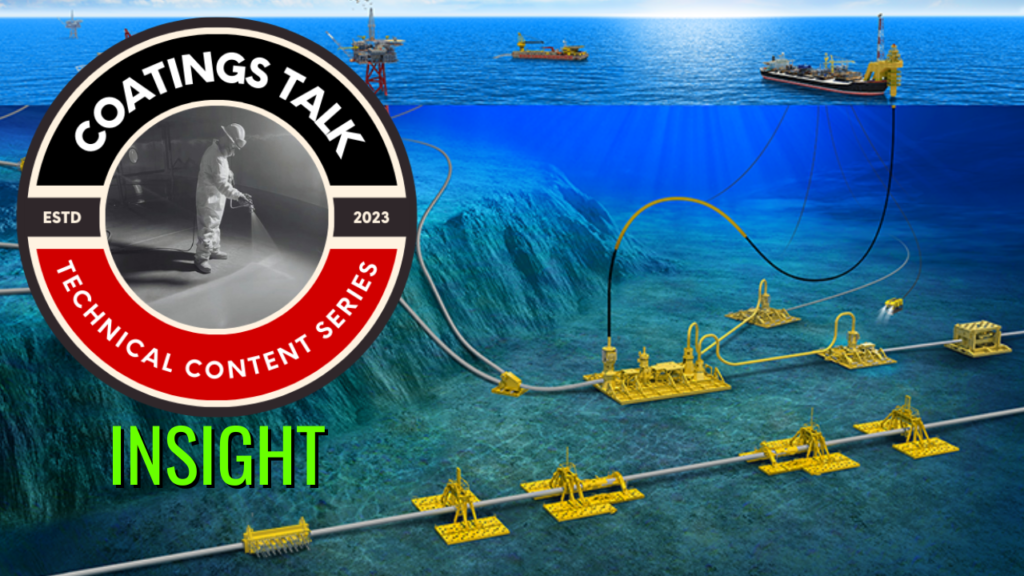
Subsea Compression Module — Deployed on the seabed to boost recovery and lower operational costs.
3. Advanced Materials and Coatings:
Fighting Corrosion and Embrittlement
Material innovations are critical for both legacy pipelines and new energy transition applications.
Key Developments:
- Corrosion-resistant alloys (CRAs) and internal polymer liners for CO₂ service
- New coatings designed to resist hydrogen embrittlement
- Composite repairs and advanced welding techniques for extending asset life
Case Study: Shell’s North Sea CO₂ repurposing project successfully converted an 18-inch gas pipeline using internal liners and enhanced corrosion monitoring. The line has operated safely for over 18 months with zero integrity incidents, delivering major cost savings versus new-build infrastructure.
Subsea Compression Module — Deployed on the seabed to boost recovery and lower operational costs.
3. Advanced Materials and Coatings: Fighting Corrosion and EmbrittlementMaterial innovations are critical for both legacy pipelines and new energy transition applications.Key Developments:
- Corrosion-resistant alloys (CRAs) and internal polymer liners for CO₂ service
- New coatings designed to resist hydrogen embrittlement
- Composite repairs and advanced welding techniques for extending asset life
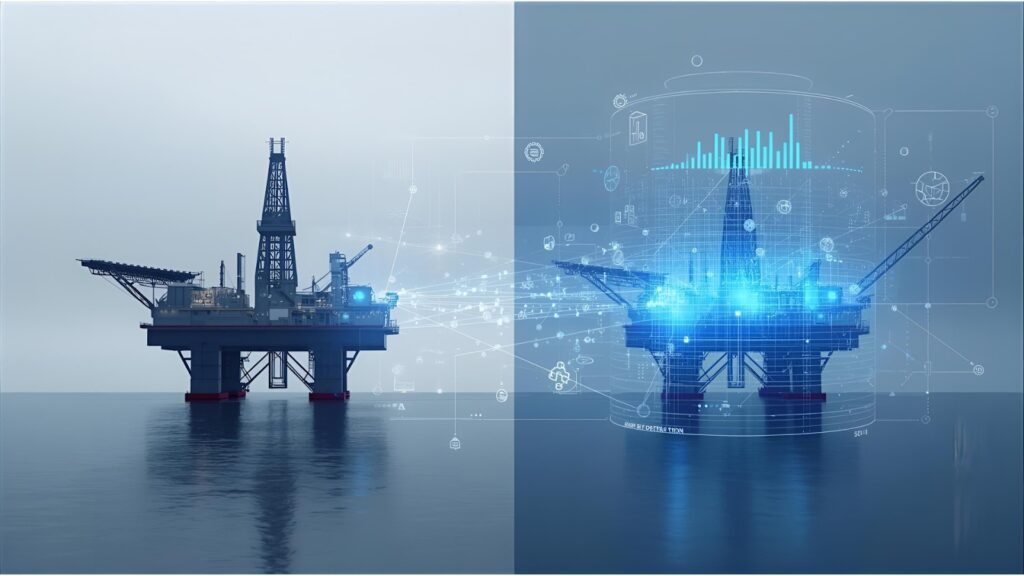
4. Other Efficiency-Boosting Innovations
- Fiber-Optic Sensing: Distributed temperature and strain sensing along entire pipeline routes for real-time leak and movement detection.
- Subsea Boosting & Processing: Compact subsea processing modules that separate fluids on the seabed.
- Autonomous Inspection Vehicles: Next-generation AUVs and ROVs with AI for faster, cheaper inspections.
These technologies are collectively helping operators reduce OPEX by 20–40% on mature assets while improving safety and environmental performance.
Cost Reduction ImpactOperators implementing these innovations are seeing:
- 25–45% savings on inspection and intervention costs
- 30–70% reduction in unplanned downtime
- Significant CAPEX avoidance through repurposing instead of new-builds
Conclusion
The innovations driving subsea efficiency in 2026 — AI/digital twins, subsea compression, advanced materials, and intelligent processes — are not just incremental improvements. They represent a fundamental shift in how the industry manages its most valuable assets.For operators and engineers, the message is clear: the companies that embrace these technologies today will achieve lower costs, higher recovery rates, and a stronger position in the energy transition.
The subsea infrastructure of today is the foundation of tomorrow’s energy system. The question is no longer whether to innovate — but how quickly you can implement these solutions.
“Engineers looking to deepen their knowledge in subsea pipeline integrity should check out Subsea Pipeline Design, Analysis, and Installation by Qiang Bai (https://amzn.to/4u7edfH). This book is an excellent reference for understanding the practical applications of digital twins.”