By Oko, Founder of Offshore Pipeline Insight
Published: April 10, 2026
The early phase of the energy transition focused heavily on electrifying everything possible with renewable power — solar, wind, and other “electrons.” While this has delivered impressive gains in power generation, the harder challenges in industry, heavy transport, chemicals, and high-temperature processes have spotlighted the limitations of electrons alone.
Enter the growing emphasis on “molecule-based” decarbonization: producing, transporting, and using low-carbon fuels (such as green/blue hydrogen, ammonia, methanol, and e-fuels) alongside advanced carbon capture, utilization, and storage (CCUS). This shift recognizes that some sectors will continue needing energy-dense, storable, and transportable carbon-based or hydrogen-based molecules for decades.
Why the Shift from Electrons to Molecules?
Electrification works exceptionally well for light-duty transport, buildings, and much of the power sector. However, physics and economics impose hard limits elsewhere:
- High-temperature industrial heat (steel, cement, chemicals) often requires fuels that deliver concentrated energy.
- Long-haul aviation, shipping, and heavy trucking need dense, easily stored energy carriers that batteries or direct electrification struggle to provide at scale.
- Seasonal storage and grid balancing: Molecules like hydrogen or synthetic fuels can store renewable energy for weeks or months far more efficiently than large-scale batteries in many cases.
- Existing infrastructure leverage: The vast global network of pipelines, tanks, and ports is optimized for liquids and gases — not pure electron flows.
As a result, attention has pivoted to “electrons-to-molecules” pathways: using abundant renewable electricity to produce green hydrogen via electrolysis, then combining it with captured CO₂ to create synthetic fuels (e-methanol, e-kerosene, e-diesel) or other chemicals. At the same time, blue hydrogen (from natural gas with CCUS) and direct carbon capture technologies provide near-term bridges.
Recent developments underscore this momentum:
- Reports highlight that even in highly electrified futures, the world will still need 3–5 Gt of carbon molecules annually by mid-century for essential uses, with strong roles for biomass, recycled carbon, and CCS to manage end-of-life emissions.
- Carbon Capture and Utilization (CCU) is evolving rapidly, turning captured CO₂ into valuable products via electrochemical or catalytic processes powered by renewables.
- Offshore and midstream players are exploring production of low-carbon hydrogen, ammonia, and methanol on platforms or using existing assets.
Key Molecules Driving the Transition
- Hydrogen (Green & Blue): The foundational molecule. Green hydrogen comes from renewable-powered electrolysis; blue from natural gas with 90%+ CO₂ capture. Both enable decarbonization of refining, ammonia production, and steelmaking.
- Ammonia (NH₃): Carbon-free when produced with green hydrogen and nitrogen. Ideal for shipping fuel and as a hydrogen carrier. Its existing global transport and storage infrastructure (including pipelines and terminals) gives it a head start.
- Methanol & E-Fuels: Synthetic methanol (e-methanol) and sustainable aviation fuel (SAF) produced from H₂ + captured CO₂. These “drop-in” fuels can use much of today’s liquid fuel infrastructure with minimal changes.
- Carbon Capture & Utilization/Storage (CCUS): Not just storage — utilization pathways convert CO₂ into chemicals, fuels, or materials, creating circular carbon economies. Advances in electrochemical CO₂ reduction and integrated capture-conversion systems are lowering costs and energy penalties.
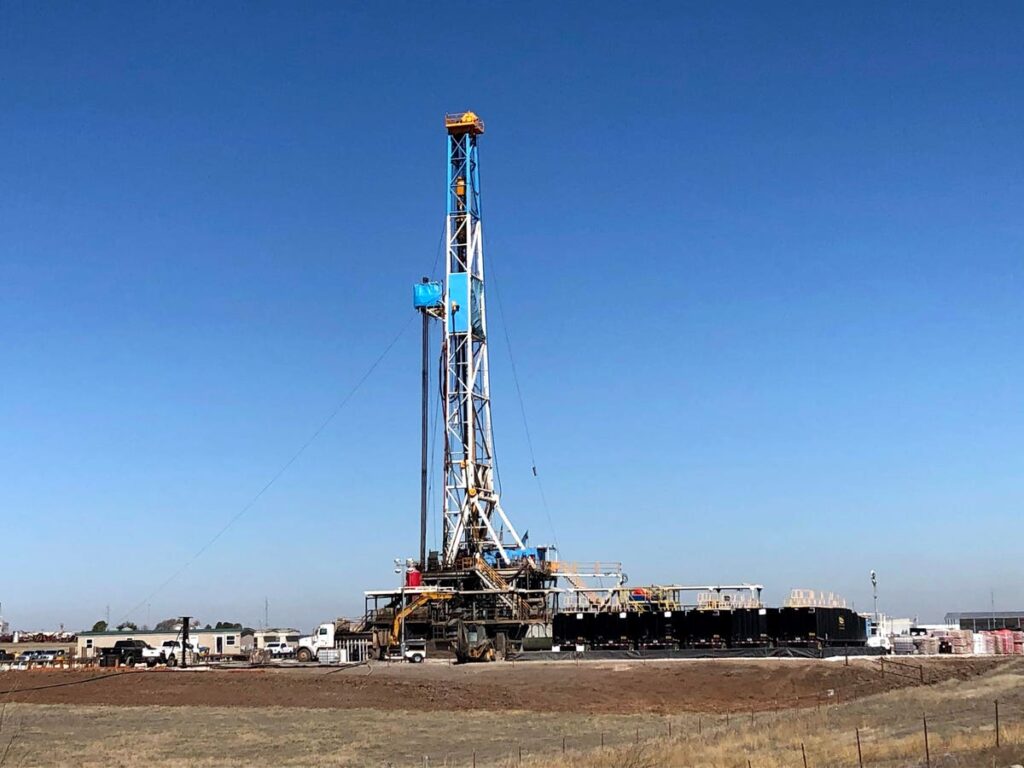
Offshore platform operations — existing infrastructure can support molecule-based decarbonization through hydrogen production, ammonia synthesis, or CO₂ transport and injection.
Implications for Offshore, Pipelines, and Midstream
For the offshore oil & gas and pipeline sectors, this shift creates both challenges and major opportunities:
- Repurposing existing pipelines: Many natural gas lines can handle hydrogen blends (up to 20% in some cases) or be converted for pure H₂ or CO₂ transport. CO₂ pipelines for enhanced oil recovery or dedicated storage are expanding rapidly.
- New molecule transport needs: Ammonia and methanol are liquids at manageable conditions, making them easier to ship and pipeline than pure hydrogen. Offshore hubs could produce these molecules using platform wind/solar power or stranded gas with capture.
- CCUS integration: Tying carbon capture at offshore facilities or onshore hubs into pipeline networks for permanent storage or utilization supports lower-emission operations and creates new revenue streams.
- Hybrid systems: Combining electrons (for electrolysis) with molecules (for storage and long-distance energy export) allows operators to maximize value from renewable integration while extending the life of hydrocarbon assets in a lower-carbon form.
Concentrated production hubs — similar to the super-pads enabled by long-lateral wells — could emerge for molecule synthesis, requiring optimized gathering and export pipeline strategies.
Looking Ahead
The molecule-based approach does not replace electrification — it complements it. The most credible net-zero pathways electrify what is practical and deploy low-carbon molecules where they deliver the highest impact. With policy support (such as tax credits for CCUS and low-carbon fuels), technological advances in electrolysis efficiency, and better integration of capture with conversion, this segment is poised for accelerated growth in 2026 and beyond.For pipeline developers and offshore operators, the message is clear: prepare for a future where infrastructure handles a diverse mix of molecules — hydrogen blends, CO₂ streams, ammonia, and synthetic fuels — alongside continued electron flows.
What role do you see for existing pipeline networks in transporting these low-carbon molecules?
Have you observed specific projects or challenges in offshore CCUS or e-fuel production? Share your insights in the comments.