This powerful illustration captures the entire offshore oil and gas production system in a single, clear view — from the surface platform down through the subsea infrastructure to the hydrocarbon reservoir thousands of meters below the seabed. In 2026, this “one-frame” perspective is more relevant than ever as projects become deeper, longer, and more technically demanding.
The image beautifully shows the three main layers of a modern offshore development:
- Surface Platform — the visible heart of operations
- Subsea System — the hidden, high-tech backbone
- Reservoir & Wellbore — the ultimate source of production
Let’s break it down layer by layer with the latest 2026 engineering insights.
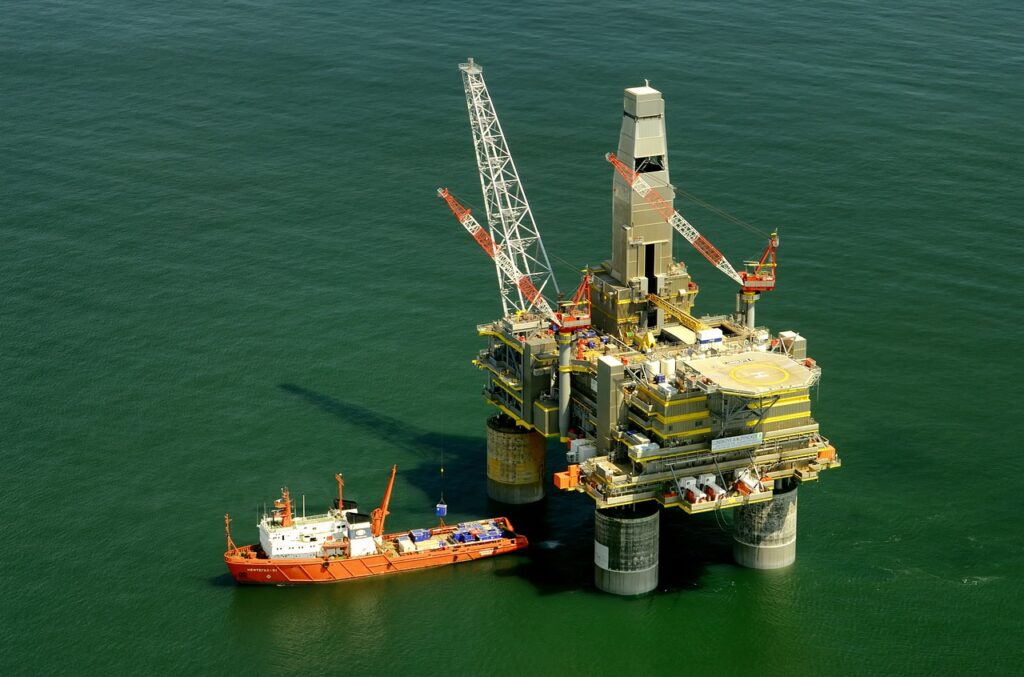
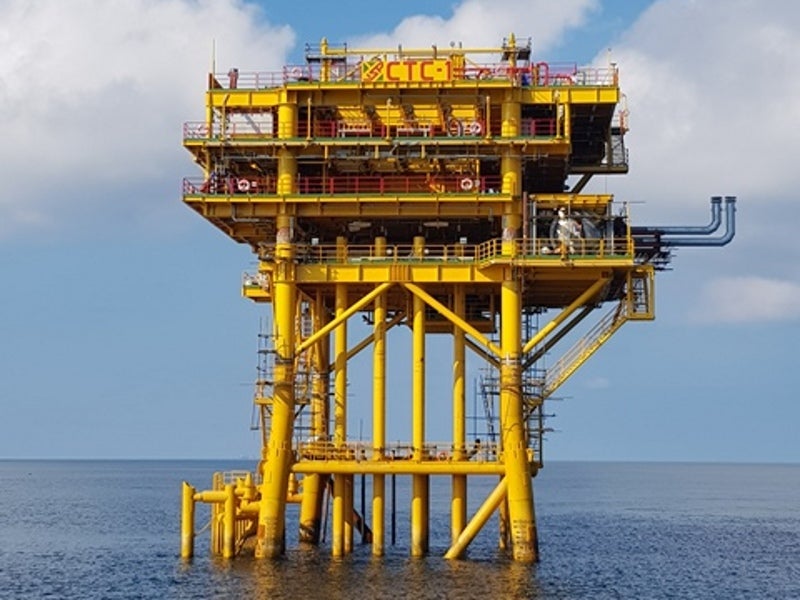
At the top sits a large fixed or floating production platform. Modern platforms in 2026 are more compact, efficient, and often designed as normally unmanned installations (NUIs).
Key functions include:
- Oil, gas, and water separation
- Power generation and master control station
- Safety systems (flare, ESD, fire suppression)
- Helipad and crane operations for logistics
These platforms are increasingly integrated with digital twins for real-time optimization and reduced personnel exposure.
2. The Subsea System: The Real Engineering Challenge
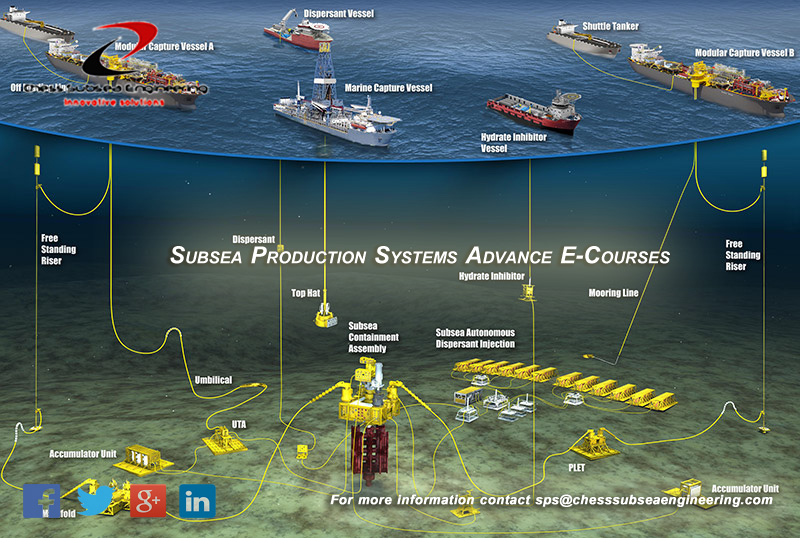
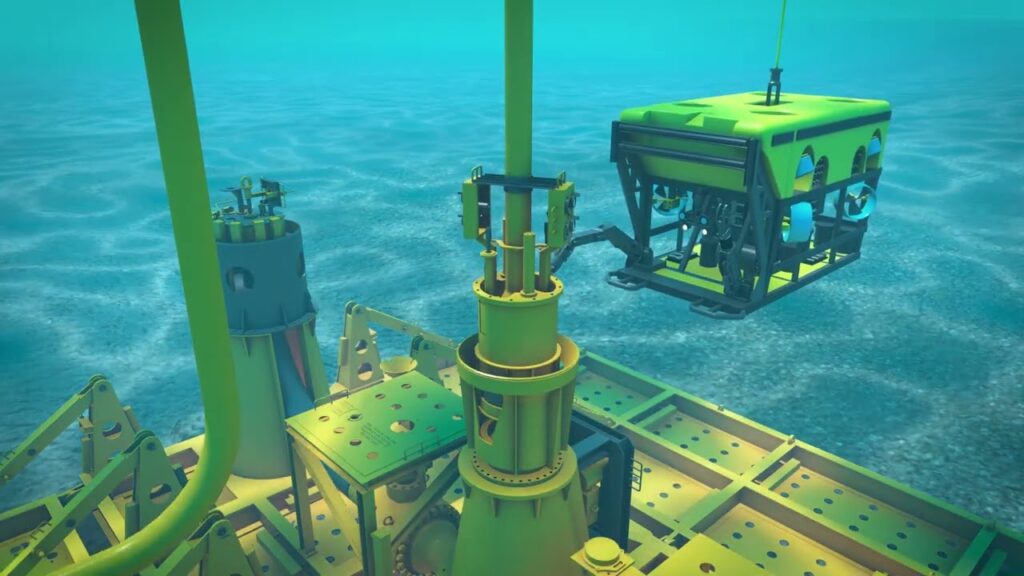
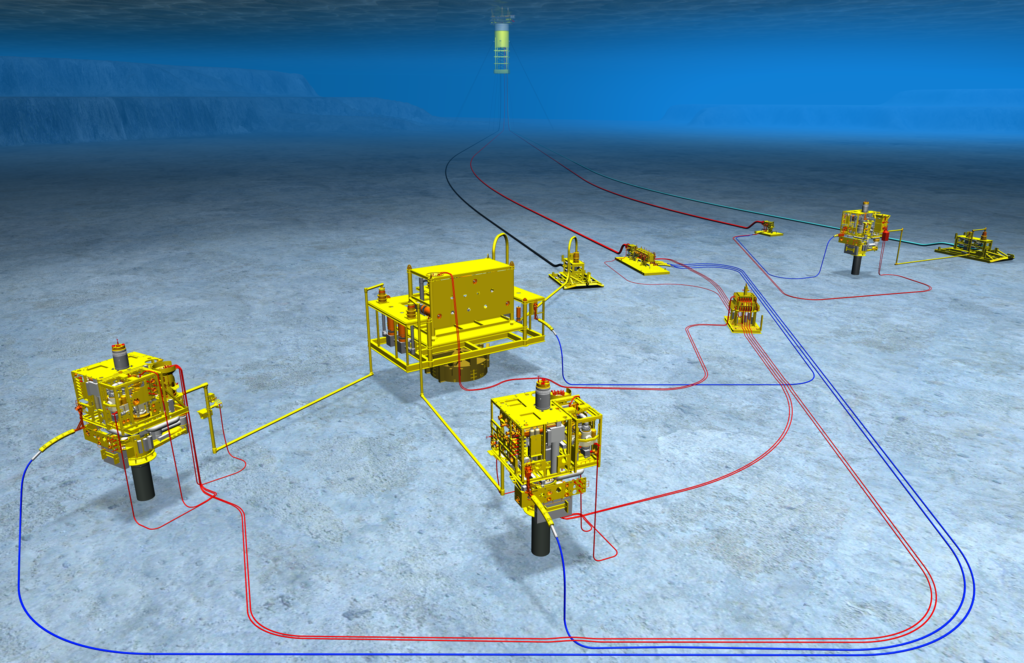
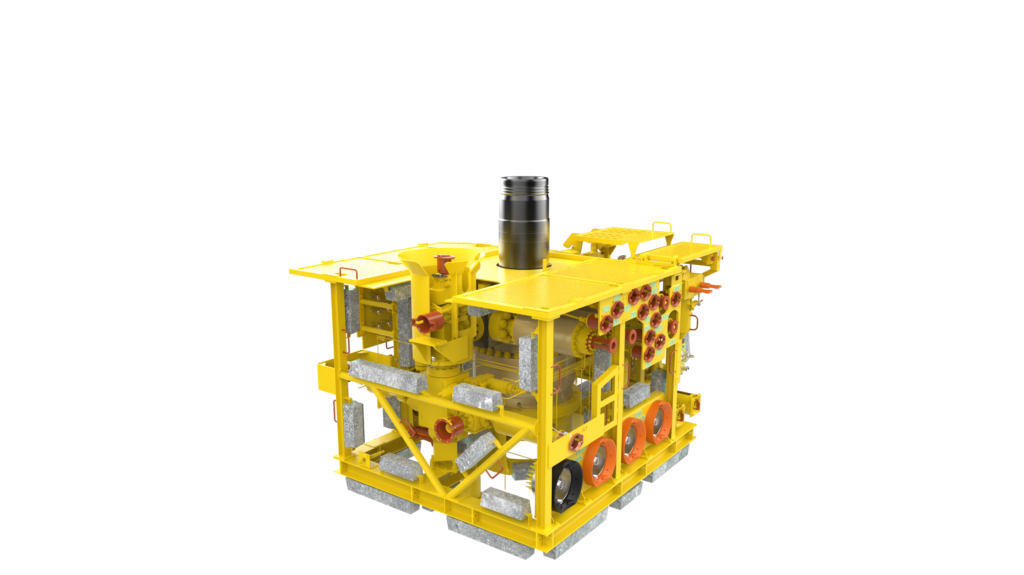
The middle section reveals the complex web of subsea equipment:
- Subsea trees and manifolds
- Umbilicals and flowlines
- Subsea boosting and compression systems
- ROV intervention points
2026 Subsea Trends:
- All-electric control systems replacing hydraulics
- HPHT-rated equipment for extreme conditions
- Longer tie-backs (20–50+ km)
- Advanced fiber-optic monitoring and digital twins
Subsea systems are now the most critical and technically demanding part of any offshore development.
3. The Reservoir & Wellbore: Where Production Begins
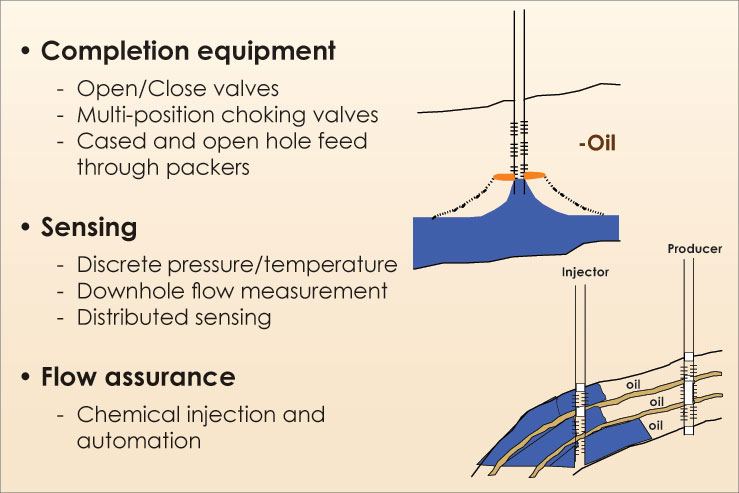
The bottom layer shows the geological reality:
- Reservoir zones (oil, gas, and water)
- Wellbore penetrating multiple rock layers
- Production tubing and completion equipment
In 2026, reservoir management is highly sophisticated. Operators use:
- Advanced 4D seismic imaging and real-time reservoir monitoring
- Intelligent completions with Inflow Control Devices (ICDs), ICVs, and Permanent Downhole Gauges
- Enhanced Oil Recovery (EOR) techniques including water alternating gas (WAG) injection and chemical flooding
- Long horizontal laterals (4–7 miles) to unlock marginal acreage
HPHT Reservoirs are now commonplace. These extreme conditions (pressures >15,000–20,000 psi and temperatures >350°F) require:
- Corrosion-resistant alloy (CRA) tubing
- Advanced thermal management to prevent hydrate and wax issues
- Real-time fiber-optic sensing (DTS & DAS)
- Sophisticated transient flow assurance modeling
This subsurface layer reminds us that every barrel produced offshore starts deep underground. The success of the entire system depends on how effectively we understand, access, and manage the reservoir.
Why This “One Frame” View Matters in 2026
This illustration highlights the integrated nature of offshore engineering. Decisions at the reservoir level directly affect subsea design and platform requirements.
Key 2026 Implications:
- Longer tie-backs increase flow assurance importance
- HPHT projects demand advanced materials and buckling mitigation
- All-electric and digital technologies reduce OPEX and intervention needs
- Greater focus on energy security and decarbonization readiness.
The Future of Offshore Engineering As we move toward 2027–2030, expect more:
- Hybrid energy hubs combining oil/gas with offshore wind
- Fully autonomous subsea intervention
- Subsea processing and compression at scale
- Stronger emphasis on CCUS-ready infrastructure
Final Takeaway:
Offshore engineering is a highly interconnected discipline. Success in 2026 depends on mastering each layer while optimizing the entire chain. Whether you design HPHT pipelines, specify subsea trees, or manage reservoir performance, this “one frame” view reminds us that every component must work together flawlessly.
By Oko Immanuel, M.Eng
Founder, Offshore Pipeline Insight | Subsea Engineering Specialist
May 10 2026