By Oko, M.Eng | Offshore Pipeline Insight | July 2026
The energy landscape in mid-2026 continues to balance traditional oil and gas development with the growth of renewables and supporting infrastructure. Onshore activity remains disciplined, offshore deepwater and subsea projects show relative strength, wind power expands amid policy and cost challenges, and natural gas compressor stations are adapting to higher demand and emissions goals.
This overview highlights the most relevant trends for pipeline, subsea, and energy professionals.
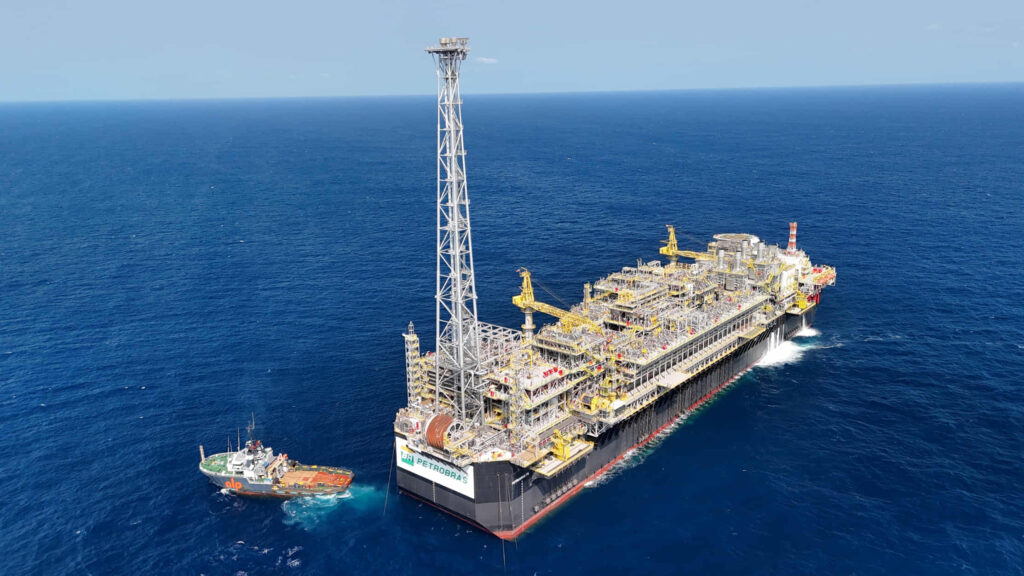
Caption: Modern FPSO operating in deepwater — a key driver of offshore oil and gas growth in 2026.
Onshore Oil & Gas TrendsUS onshore production, particularly in the Permian and other major shale plays, continues under a capital-discipline model. Operators prioritize free cash flow, returns to shareholders, and efficiency over rapid volume growth.
Key observations in 2026:
- Production growth has slowed significantly compared with earlier in the decade. Efficiency gains (longer laterals, better completions, digital drilling) are helping offset lower rig counts.
- The Dallas Fed Energy Survey for the second quarter of 2026 showed a notable jump in business activity — the strongest reading since 2022 — with improved outlooks among operators, although cost pressures and supply-chain delays remain.
- Large-cap producers continue to attract investor preference due to stronger balance sheets and diversified portfolios.
- Natural gas benefits from LNG export demand and rising power-generation needs (including data centers). Associated gas from oil wells remains an important contributor.
For pipeline professionals, this environment means steady but selective midstream investment, continued focus on integrity management, methane reduction, and optimizing existing infrastructure rather than aggressive greenfield expansion in every basin.
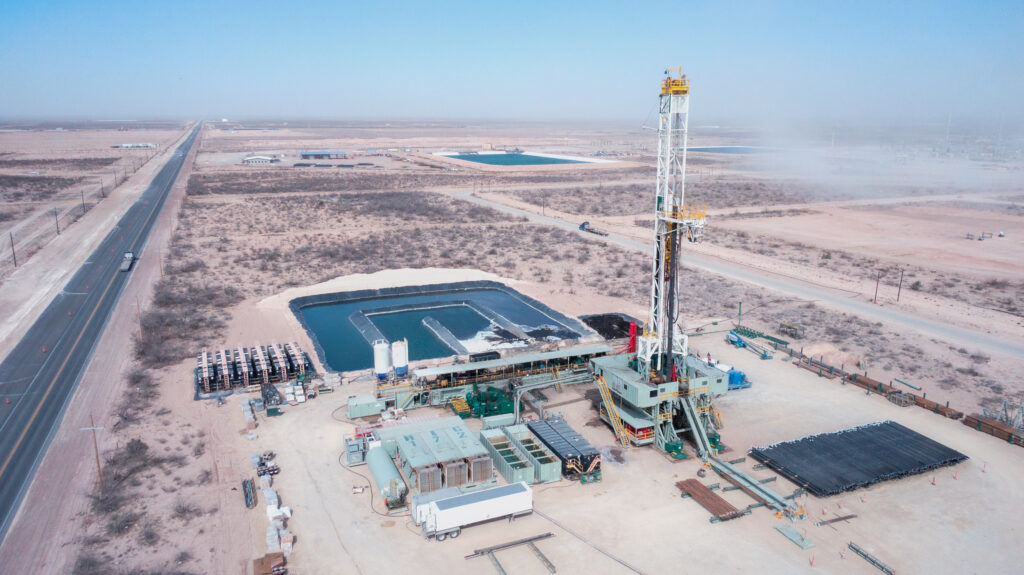
Caption: Onshore drilling activity in a major US shale basin — operators remain focused on efficiency and capital discipline.
Offshore Oil & Gas TrendsOffshore activity is generally more constructive than onshore in many forecasts. Deepwater and subsea projects continue to attract capital, especially in Brazil, Guyana, Namibia, the US Gulf of Mexico, Suriname, and parts of the Middle East and Asia.Notable developments:
- International drilling (excluding the US) is projected to rise around 4%, with offshore gaining more than onshore.
- Major FIDs and investments continue, including ADNOC’s $6.2 billion Umm Shaif Gas Cap development offshore Abu Dhabi.
- US Gulf of America lease sales are advancing under current policy, supporting longer-term activity.
- Subsea tiebacks, FPSOs, and gas-weighted projects feature prominently in new sanctions.
- Recent contract activity remains healthy for drilling contractors, subsea equipment providers, and installation companies.
Offshore investment is expected to exceed $300 billion again in 2026 (with upstream oil and gas still the majority share). For subsea and pipeline engineers, this translates into continued demand for deepwater expertise, flow assurance, integrity management, and installation capability.
Wind Energy Trends in 2026
Global wind power additions are forecast at approximately 160 GW in 2026 — still a substantial volume but roughly 6% lower than the record levels of 2025, largely due to the end of a major development cycle in China.Onshore wind remains relatively resilient, especially in the United States where developers are racing to secure remaining tax incentives and safe-harbor status. The US pipeline exceeds 50 GW through 2030 in recent outlooks.Offshore wind faces more headwinds:
- Policy uncertainty and project risks in the US market.
- Cost inflation, vessel and cable supply constraints, and grid-connection delays in several regions.
- Positive progress continues on large European projects (examples include Sofia and Inch Cape milestones), while China is expected to see stronger offshore activity.
Turbines continue to grow in size, repowering of older fleets is accelerating in mature markets, and supply-chain pressures (installation vessels, foundations, and cables) remain key constraints.
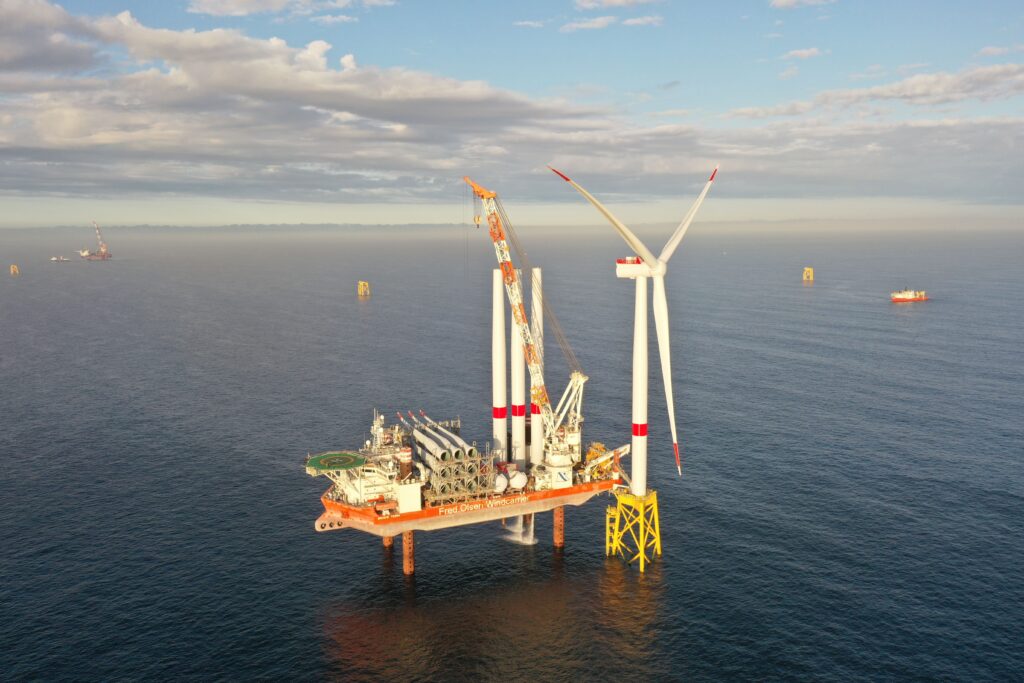
Caption: Offshore wind turbine installation vessel at work — larger turbines and complex logistics define the current buildout.
Compressor Stations: Adapting to New Demands
Natural gas compressor stations remain essential infrastructure as gas demand grows from LNG exports, power generation, and industrial users.
Current trends include:
- Capacity expansion to support higher throughput on key pipeline corridors.
- Electrification of compression as a major emissions-reduction strategy. Projects such as Santos’ Moomba electric compression initiative demonstrate the shift from gas-driven units toward electric drive systems, cutting Scope 1 emissions and improving efficiency.
- New installations and upgrades in regions such as the US and Mexico (turbo-compression packages for pipeline expansions).
- Greater emphasis on reliability, digital monitoring, predictive maintenance, and lower-emission technologies.
- Data-center and LNG-related power demand is indirectly supporting the need for robust midstream compression capacity.
For pipeline operators and field engineers, compressor stations represent both ongoing operational work and opportunities in modernization, electrification, and integrity programs.
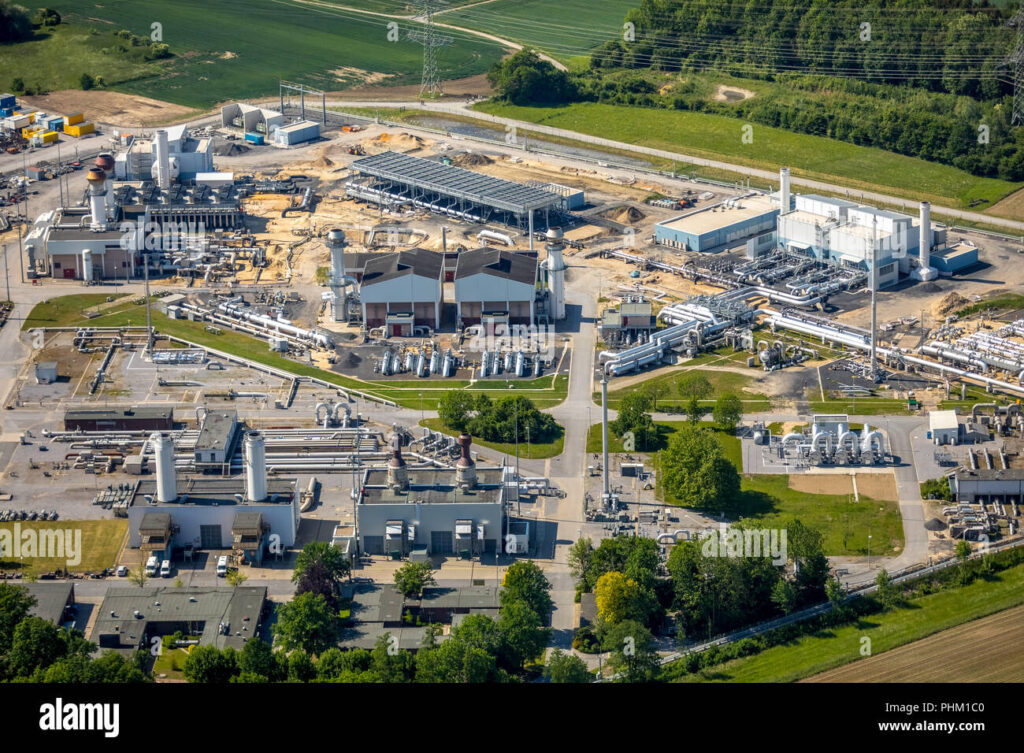
Caption: Aerial view of a natural gas compressor station — critical infrastructure supporting pipeline throughput and reliability.
Implications for Pipeline and Subsea Professionals
Across these sectors, several themes stand out:
- Selective growth and capital discipline in traditional oil and gas.
- Relative strength in deepwater and subsea projects.
- Infrastructure modernization — especially electrification of compression and methane management.
- Cross-over opportunities between oil & gas, natural gas midstream, and renewable infrastructure (including subsea cables and foundations for offshore wind).
- Continued importance of technical skills in integrity management, flow assurance, materials, and digital monitoring.
Looking Ahead
2026 is shaping up as a year of disciplined execution rather than broad expansion. Offshore and subsea activity, gas infrastructure (including compressors), and selective renewable projects offer the most consistent opportunities for specialized engineering talent.Pipeline professionals who stay current on deepwater developments, compressor electrification, methane regulations, and the interface between traditional energy and renewables will be well positioned.