By Oko Immanuel, M.Eng
Founder, Offshore Pipeline Insight | Subsea Engineering Specialist
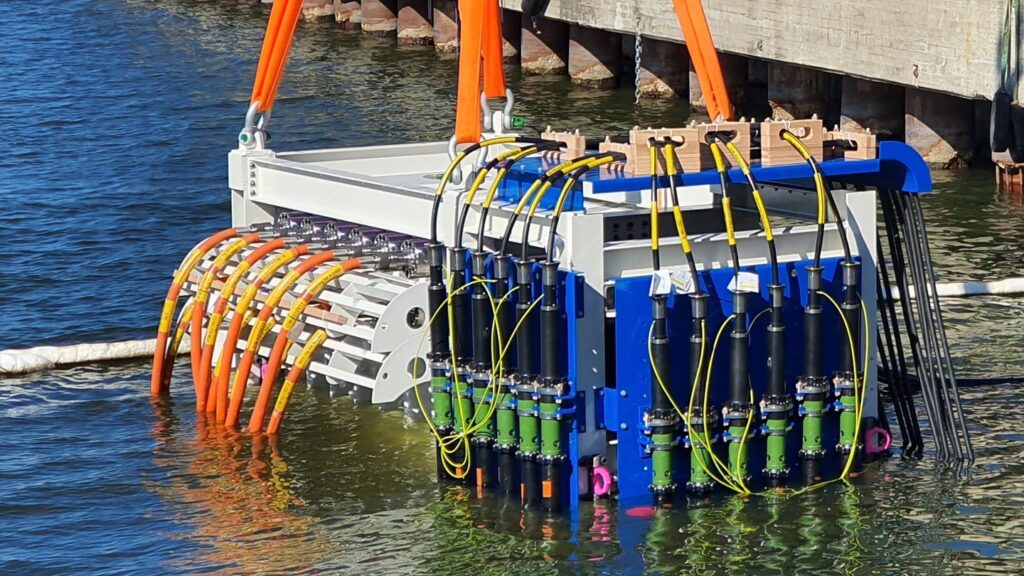
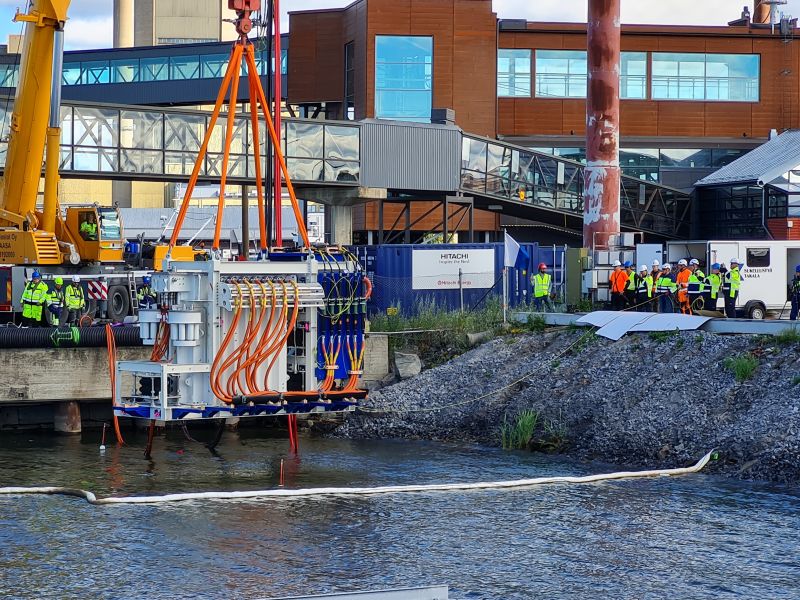
Subsea transformers are mission-critical components in modern offshore power distribution. Operating at depths up to 3,000 meters under extreme pressure, corrosive seawater, and variable temperatures, they must deliver reliable power for all-electric systems, subsea boosting, compression, and long-distance tie-backs.
Cooling is the single most important factor determining whether a subsea transformer achieves its 25–30+ year design life without intervention. Overheating accelerates insulation degradation, reduces efficiency, and can lead to catastrophic failure in inaccessible HPHT environments.
The Unique Cooling Challenges in Subsea Environments
Unlike onshore or topside transformers that benefit from air cooling, subsea units face severe constraints:
- Complete submersion eliminates natural air convection.
- External hydrostatic pressure (up to 300 bar) prohibits traditional radiators or thin-walled designs.
- Heat must ultimately transfer to cold seawater (often 4–10°C at depth).
- Zero-maintenance philosophy: no pumps or fans that could fail over decades.
- Variable loads from variable speed drives (VSDs) create fluctuating heat generation.
- Biofouling risk on external surfaces reduces long-term heat transfer efficiency.
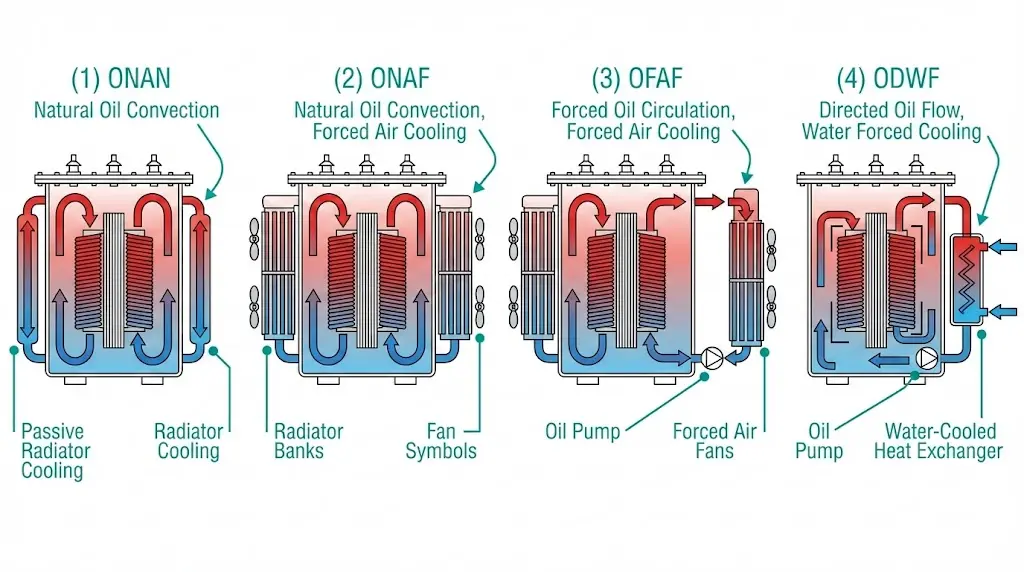
These conditions demand passive, robust, pressure-compensated cooling systems engineered with computational fluid dynamics (CFD), thermal modeling, and hyperbaric testing.Core Principle: Pressure-Compensated Natural Oil ConvectionThe dominant cooling method in 2026 subsea transformers is pressure-compensated natural oil convection, an adaptation of the onshore ONAN (Oil Natural – Air Natural) principle, but optimized for seawater.
How it works:
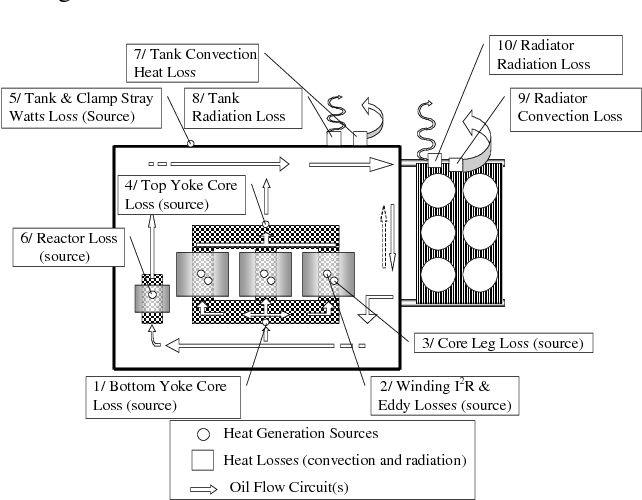
- Heat generated in the core and windings warms the dielectric fluid.
- Hotter oil becomes less dense and rises via thermosiphon (buoyancy-driven) circulation.
- Cooler oil sinks, creating a passive internal loop without any pumps.
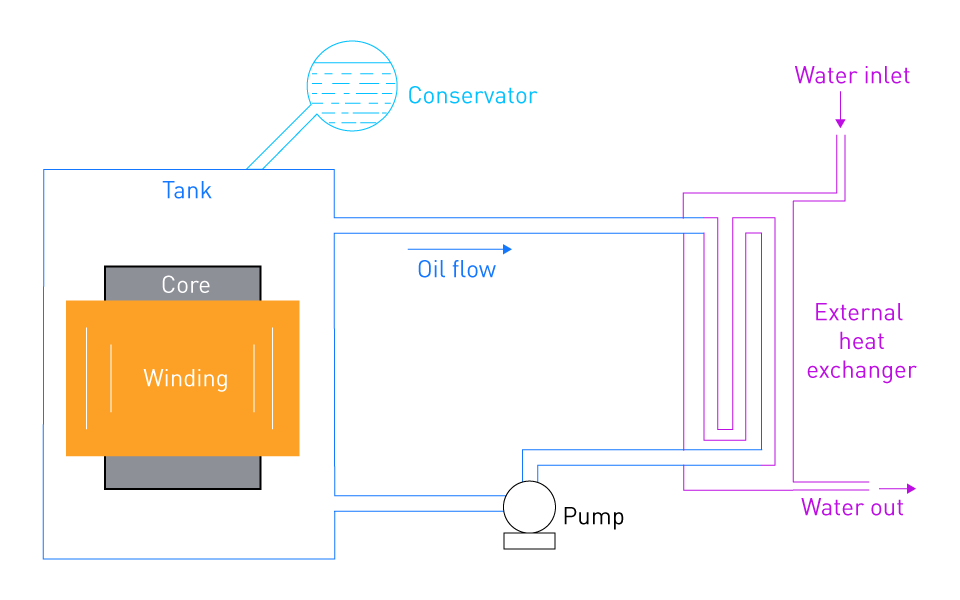
- Heat transfers through the thick, robust enclosure walls and external cooling surfaces (fins, ribs, or extended heat exchangers) to the surrounding seawater.
This passive system is highly reliable because it has no moving parts. Suppliers like Hitachi Energy (OceaniQ™), Siemens Energy, and ABB have refined this design through years of field data from projects such as Ormen Lange and Guyana’s Stabroek Block.
Key Enablers:
- Dielectric Fluids: Synthetic esters (e.g., MIDEL 7131) provide superior thermal conductivity, higher fire points, and full biodegradability compared to mineral oil.
- Pressure Compensation: Bellows, diaphragms, or bladder systems maintain near-equal internal and external pressure, preventing tank collapse while allowing oil expansion.
- Optimized Geometry: Vertical tank orientation maximizes natural convection. CFD modeling eliminates hot spots.
- External Surfaces: Extended fins, ribs, or plate-type heat exchangers increase surface area for seawater contact.
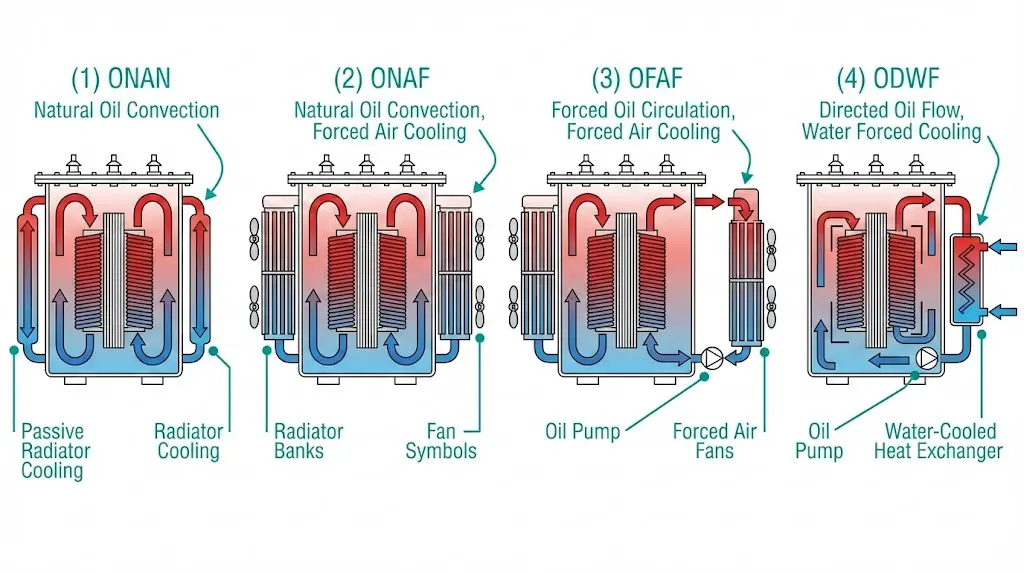
Cooling System Comparison: Onshore vs Subsea
| Cooling Class | Mechanism | Typical Use | Subsea Adaptation | Reliability for 25+ Years |
|---|---|---|---|---|
| ONAN | Natural oil + natural air | Standard onshore | Passive oil + seawater heat transfer | Excellent |
| ONAF | Natural oil + forced air fans | Higher power onshore | Rarely used (fans unreliable subsea) | Poor |
| OFAF | Forced oil + forced air | Large power transformers | Limited (pumps add failure points) | Moderate |
| ODWF / Hybrid | Oil directed + water forced | Very high power | Closed-loop seawater exchangers | Good (with redundancy) |
| Passive Subsea | Natural oil + pressure-compensated | All modern subsea | Standard (fins + seawater) | Best in class |
Advanced Design Features for 2026 Projects
Modern subsea cooling systems incorporate several innovations:
- Extended Surface Cooling: Deep external ribs or modular heat exchanger panels increase heat dissipation area by 40–60% without adding excessive weight.
- Advanced Monitoring: Fiber-optic temperature sensors, partial discharge detectors, and dissolved gas analysis (adapted for subsea) provide real-time hotspot data.
- Biofouling Mitigation: Specialized silicone or copper-based coatings prevent marine growth that could insulate external surfaces.
- Thermal Redundancy: Dual cooling paths and conservative loading (typically 70–80% of nameplate rating) ensure margin for aging.
- CFD & Digital Twins: Suppliers use advanced simulation and real-time digital twins to predict performance across water temperatures, currents, and load profiles.
Power Ratings Context: Current systems handle 1–24+ MVA effectively with passive cooling. Higher ratings (30+ MVA) for large compression projects increasingly use hybrid closed-loop seawater cooling modules.
Installation, Maintenance, and Real-World Performance
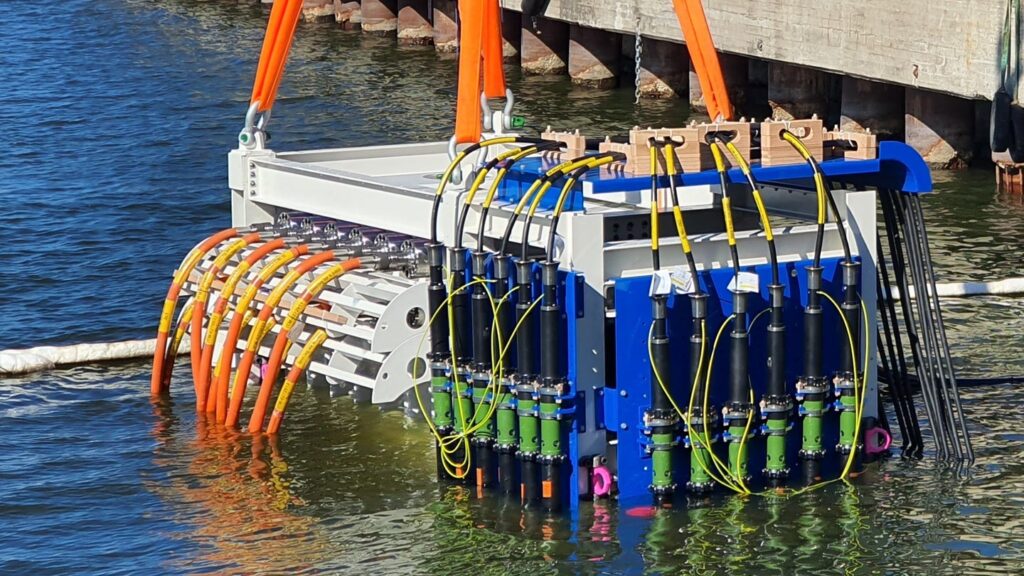
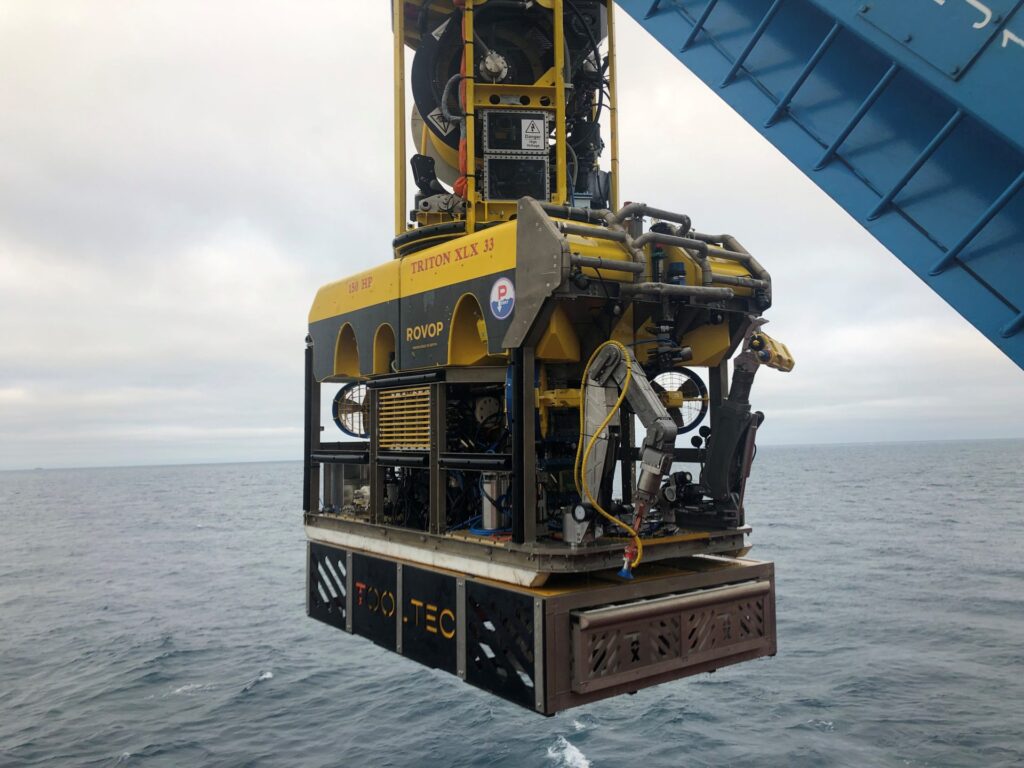
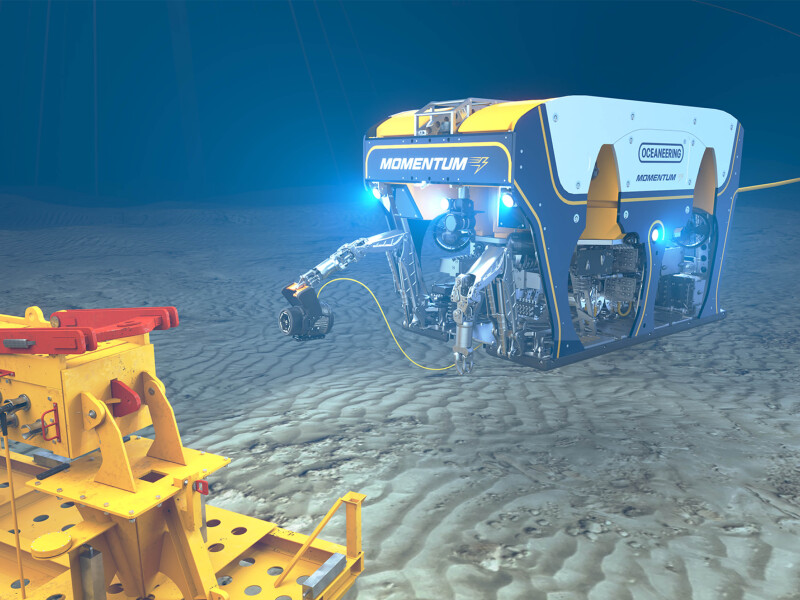
Subsea transformers are typically deployed via heavy-lift vessels and positioned near loads (pumps, compressors) to minimize cable losses. ROVs handle final connections.
Field Experience (2026):
- Guyana developments use these systems for reliable long-step-out power.
- Brazil pre-salt compression projects demonstrate excellent thermal stability.
- North Sea and offshore wind integrations highlight compatibility with variable renewable loads.
Failure Modes to Avoid:
- Hotspot overheating from poor circulation.
- External biofouling reducing heat transfer.
- Fluid degradation over decades (mitigated by high-quality esters).
- Mechanical stress on compensation systems during installation.
The Future of Subsea Transformer CoolingBy late 2026 and into the 2030s, expect:
- Higher power densities with improved fluids and materials.
- Greater integration with HVDC systems and floating substations.
- AI-driven predictive cooling models for optimized operation.
- Hybrid systems supporting full subsea factories with minimal topside support.
Effective cooling directly translates to lower OPEX, higher uptime, and extended field life — critical advantages in an era of capital discipline and energy transition.For subsea engineers and project developers, understanding these cooling principles is essential when specifying transformers for HPHT tie-backs, all-electric architectures, or hybrid renewable-oil & gas
By Oko Immanuel, M.Eng
Founder, Offshore Pipeline Insight | Subsea Engineering Specialist