Written by Oko
Founder, Offshore Pipeline Insight
May 24, 2026
The offshore pipeline sector is experiencing a strong resurgence in 2026. According to GlobalData, over 113 offshore pipeline projects are scheduled to commence operations this year, bucking some localized delays. The longest and most ambitious among them — spanning South America, the Middle East, and Australia — are not just infrastructure projects. They are powerful geopolitical instruments reshaping energy trade routes, national revenues, and international alliances.
The Scale of the 2026 Mega-project Boom
These pipelines are longer, more technically challenging, and strategically significant than many recent projects. They reflect a global drive for energy diversification, export capacity, and supply chain resilience in an uncertain world.
1. Vaca Muerta Sur Pipeline – Argentina (South America’s Landmark Project)Length: ~565 km (onshore + shallow water export)
Operator: YPF (with Chevron and Shell partnership)
Capacity: Up to 550,000 barrels per day of crude oil
Argentina’s Vaca Muerta Sur pipeline is one of the most significant energy infrastructure projects in South America. It connects the vast Vaca Muerta shale play to a new deepwater export terminal at Punta Colorada.
This pipeline will dramatically boost Argentina’s crude export capability, reduce reliance on costly trucking, and position the country as a serious Atlantic Basin oil exporter. Geopolitically, it enhances Argentina’s energy sovereignty and attracts major international investment.
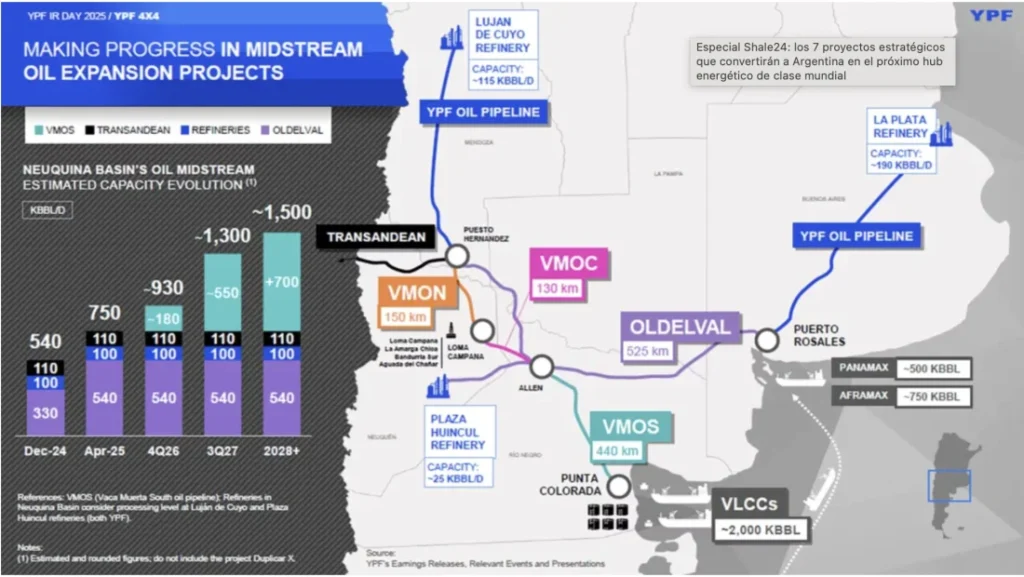
Vaca Muerta Sur Pipeline Route Map — Showing the strategic connection from the shale formation to export terminals.
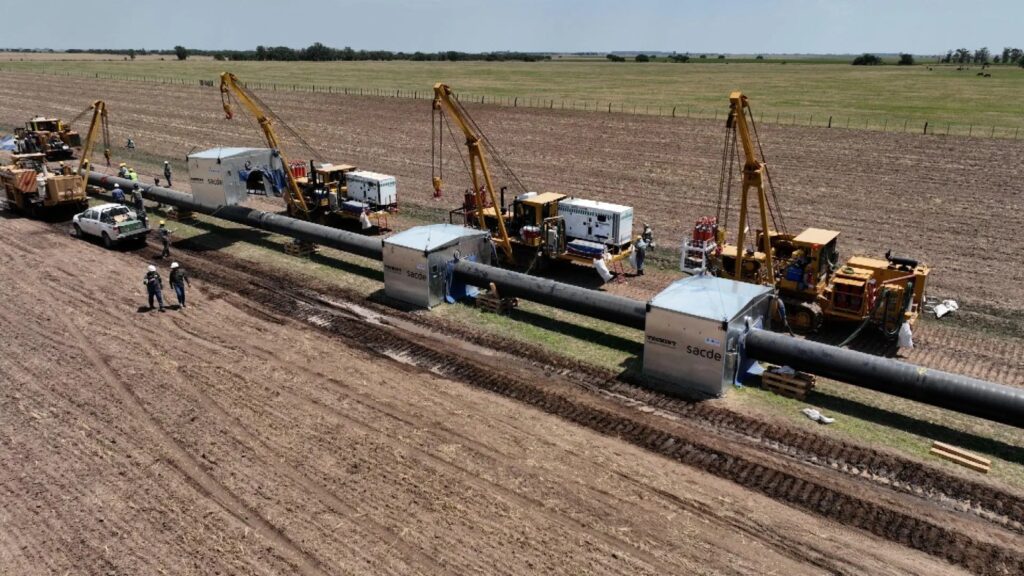
Pipeline Construction in Vaca Muerta Region — Heavy civil works underway for this landmark project.
2. North Field East Expansion Pipelines – Qatar (Middle East LNG Powerhouse)
Length: Multiple lines totaling ~500+ km
Operator: QatarEnergy (partners: Shell, ExxonMobil, TotalEnergies, Eni, ConocoPhillips)
Focus: Massive LNG expansion with carbon capture integration.
This world-scale gas pipeline network supports Qatar’s ambitious North Field expansion, aiming to increase LNG production capacity by nearly 50%. Geopolitically, the project solidifies Qatar’s position as the world’s leading LNG supplier. It provides stable, long-term energy security to Asia and Europe while deepening strategic partnerships with Western majors.
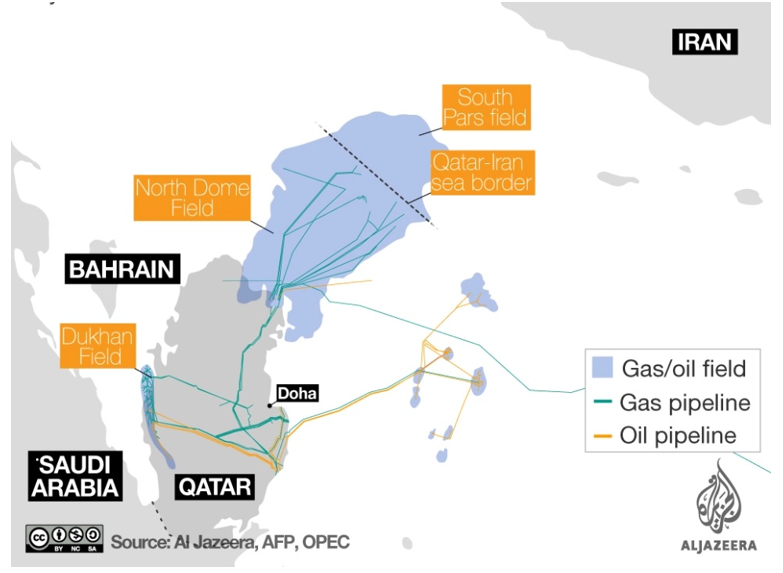
Qatar North Field Gas Infrastructure Map — Highlighting the extensive pipeline network.
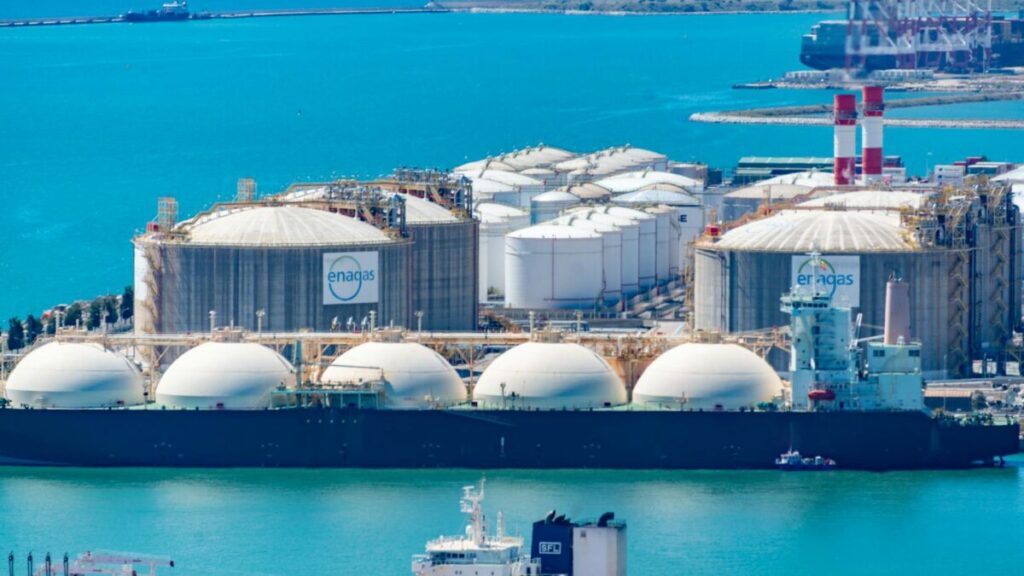
Qatar LNG Expansion Facilities — Part of the massive North Field development.
3. Scarborough–Pluto Pipeline – Australia (Indo-Pacific Energy Security)
Length: ~433 km
Operator: Woodside Energy
Capacity: 708 million cubic feet per day of gas .
This critical subsea pipeline connects the Scarborough gas field to the Pluto LNG facility. It strengthens Australia’s position as a reliable LNG supplier to Asia while supporting domestic energy needs.
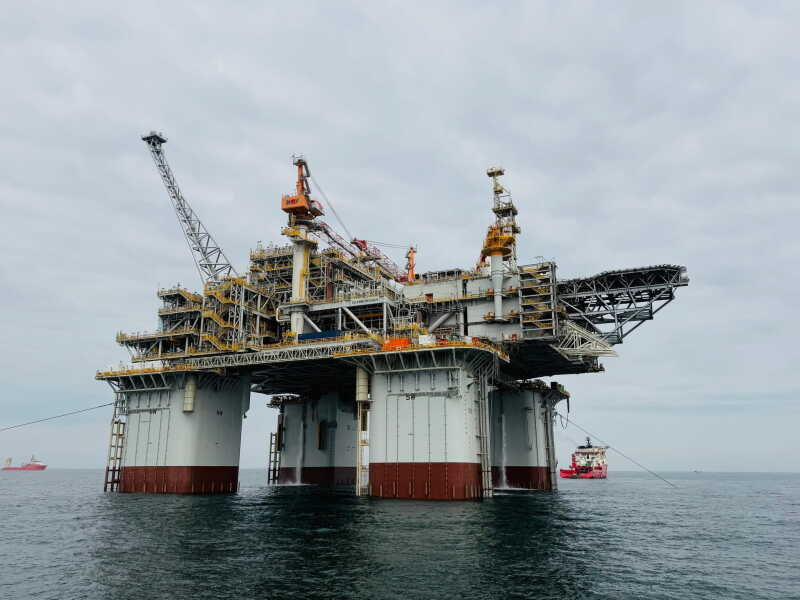
Scarborough Gas Field Development — Key part of Australia’s 2026 LNG expansion.
4. Global Pipeline Installation Trends
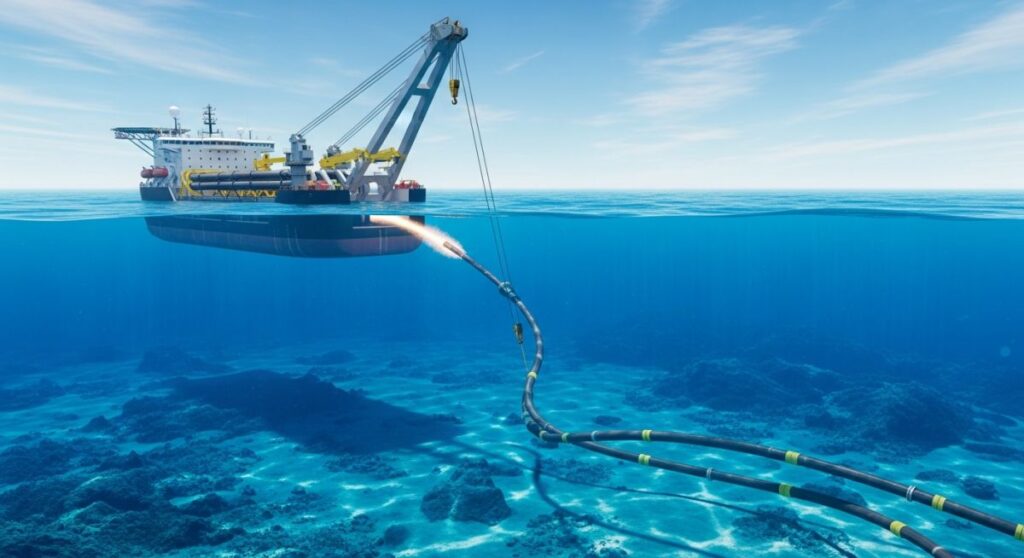
Modern Offshore Pipeline Laying — Advanced vessels and techniques used in 2026 megaprojects.
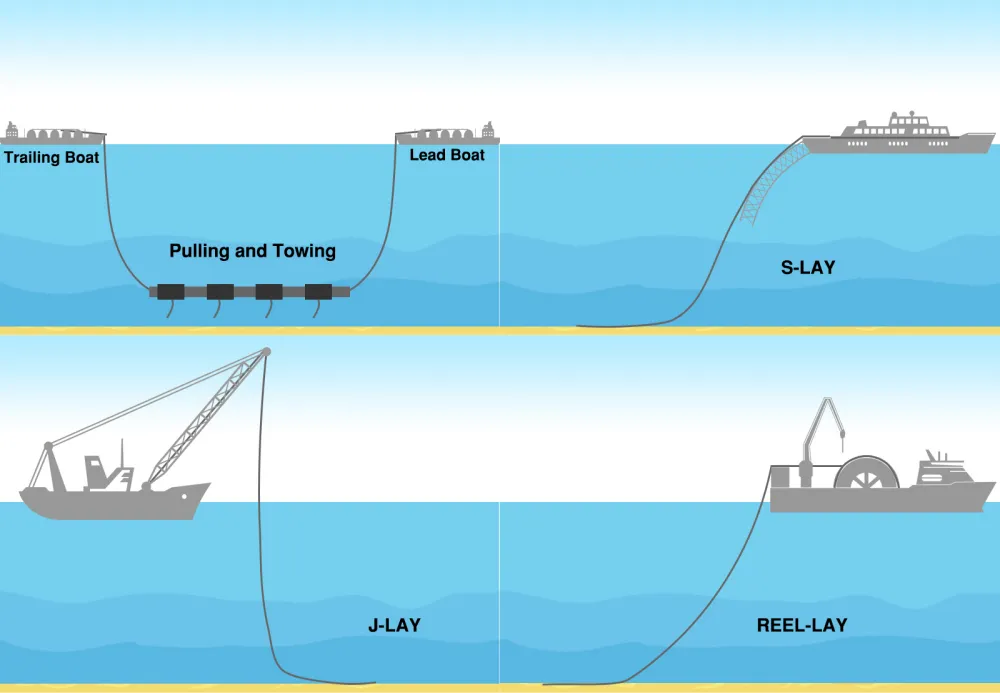
Common Offshore Pipe Laying Methods (S-Lay, J-Lay, Reel-Lay) — Essential techniques for these long-distance projects.
Geopolitical Impact of These Megaprojects
- South America → Projects like Vaca Muerta Sur are shifting the region toward net exporter status, creating new investment flows and reducing dependence on traditional powers.
- Middle East → Qatar’s expansion offers more stable LNG supply routes, mitigating risks from chokepoints like the Strait of Hormuz.
- Australia → Strengthens energy alliances in the Indo-Pacific and supports Asia’s energy transition with reliable gas.
These pipelines promote energy diversification, reduce single-point vulnerabilities, and accelerate the adoption of digital monitoring technologies for safer operations.
What This Means for Pipeline Professionals
The 2026 boom translates into strong demand for expertise in:
- Long-distance pipeline design and materials
- Deepwater flow assurance
- Integrity management for high-capacity lines
- Integration of digital twins and AI monitoring
Engineers with experience on these mega-projects will be highly sought after globally.
Conclusion
The 113 offshore pipeline projects of 2026 represent far more than steel and infrastructure. They are strategic assets reshaping energy geopolitics across continents. From Argentina’s Vaca Muerta to Qatar’s North Field and Australia’s Scarborough, these longest pipelines are forging new economic corridors and redefining global energy security in an increasingly complex world.
For the offshore pipeline community, 2026 is a landmark year of opportunity.