The global oil market in May 2026 remains gripped by one dominant force: geopolitical disruption from the U.S.-Israel–Iran conflict. Despite record new LNG supply and demand management efforts, Brent crude continues trading comfortably above $90–$115 per barrel. This is the “Hormuz Factor” in action — and it is reshaping project economics, investment decisions, and the entire offshore energy landscape.
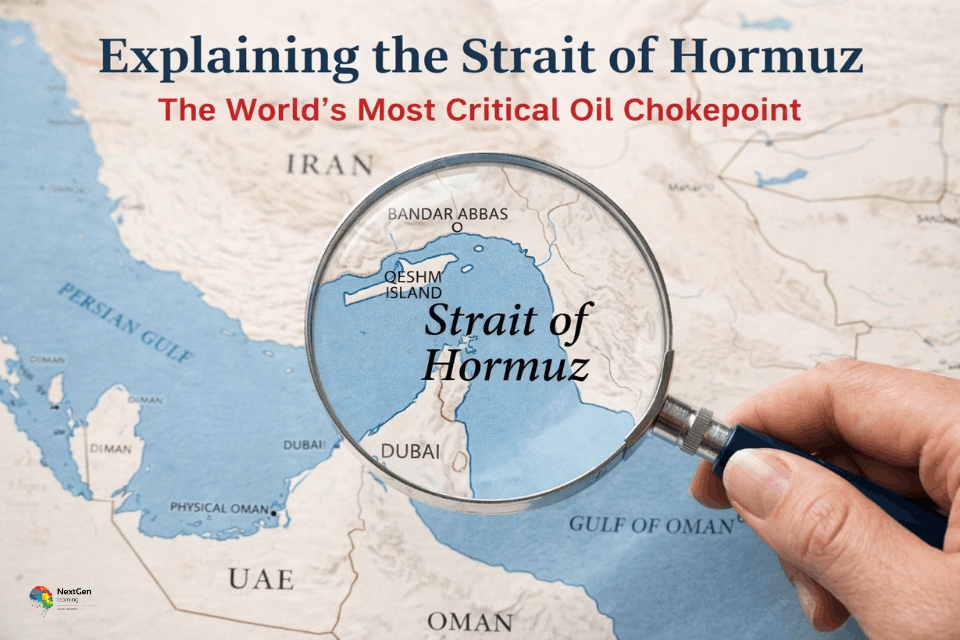
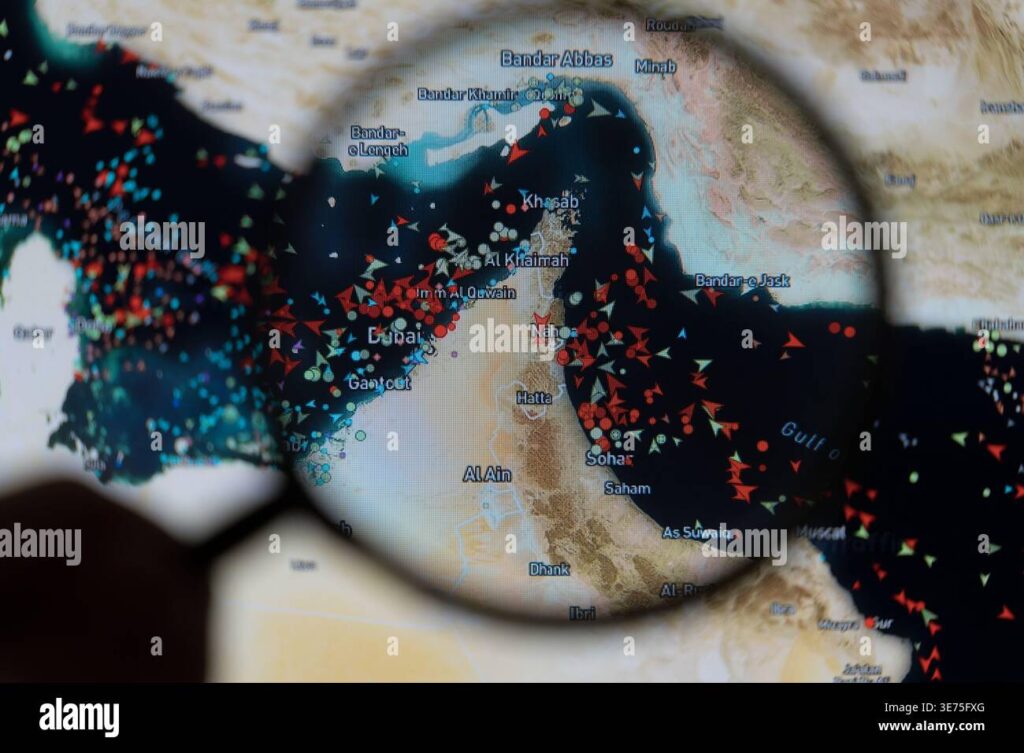
The Scale of the Disruption: Iran Conflict Infrastructure Strikes
Since late February 2026, repeated strikes on energy infrastructure across the Gulf have caused the largest oil supply shock in modern history.
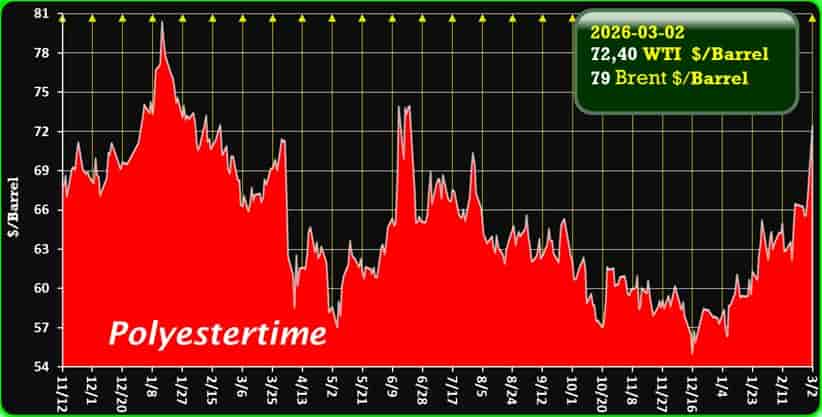
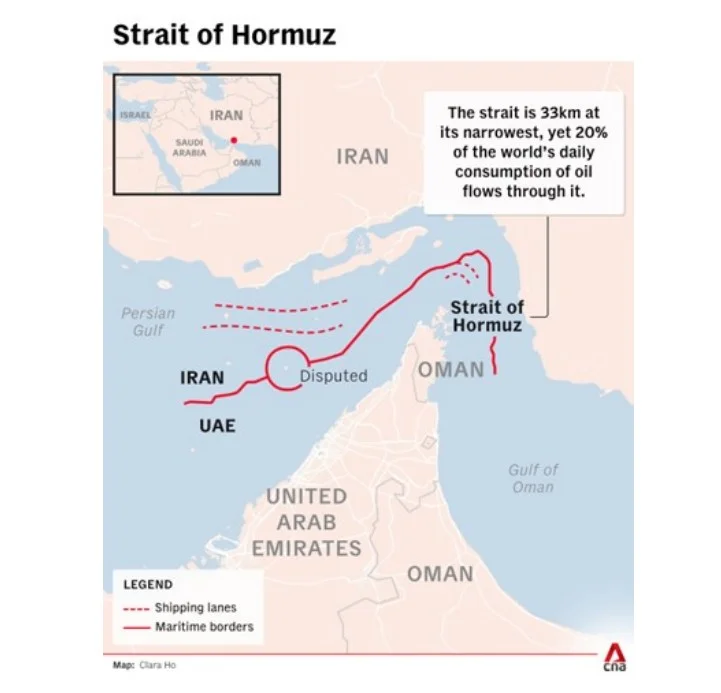
Key Impacts:
- Partial or full closure of the Strait of Hormuz for extended periods
- Attacks on Saudi, Qatari, UAE, and Iraqi export terminals and facilities
- Peak supply losses reaching 10.8 million barrels per day
- Widespread force majeure declarations and tanker rerouting
Even with fragile ceasefires, the lingering risk premium keeps prices elevated.
Why Brent Stays Above $90: Market Mechanics
Main Drivers:
- Massive supply shock with very low global spare capacity
- Rapid drawdown of commercial inventories
- Persistent geopolitical risk premium
- Limited quick-response supply from U.S. shale or OPEC+
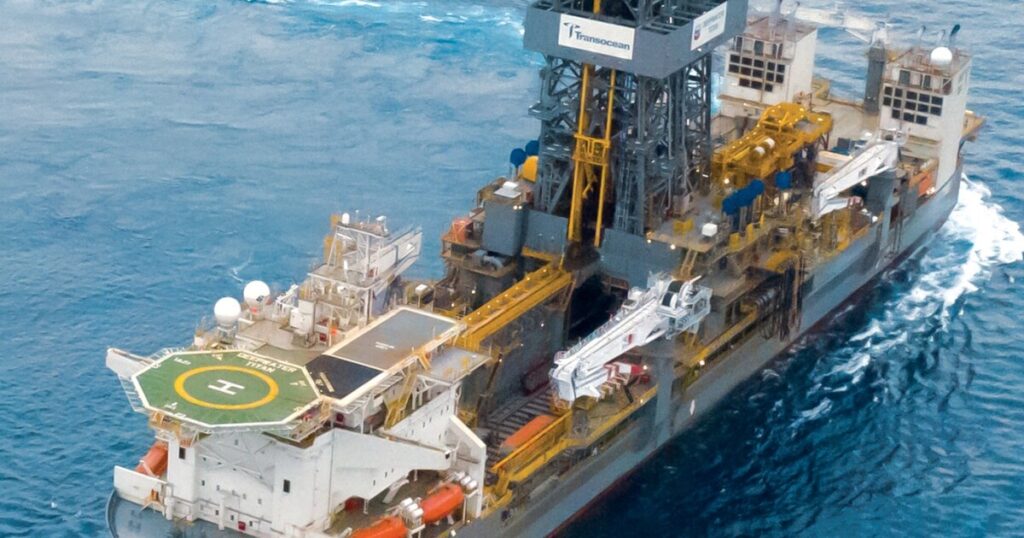
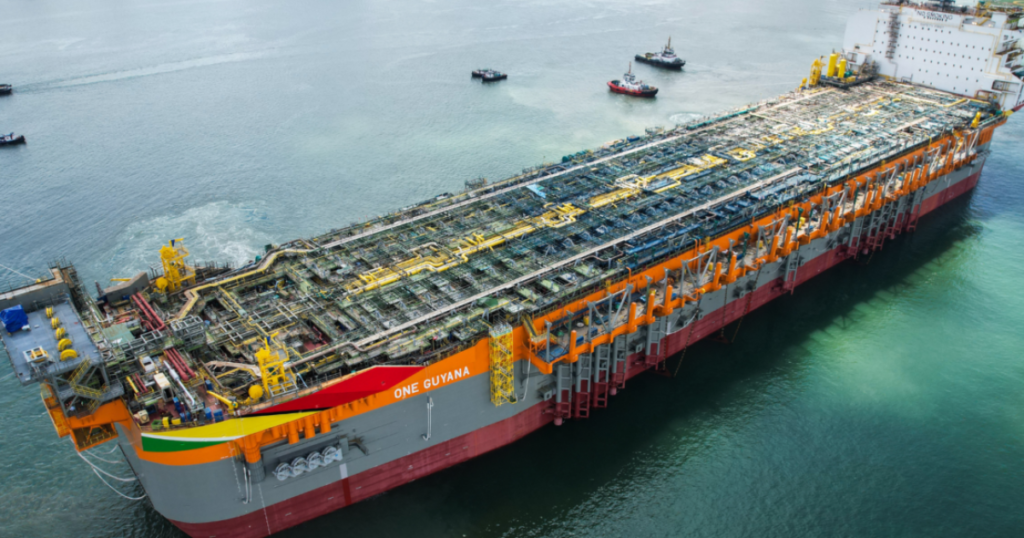
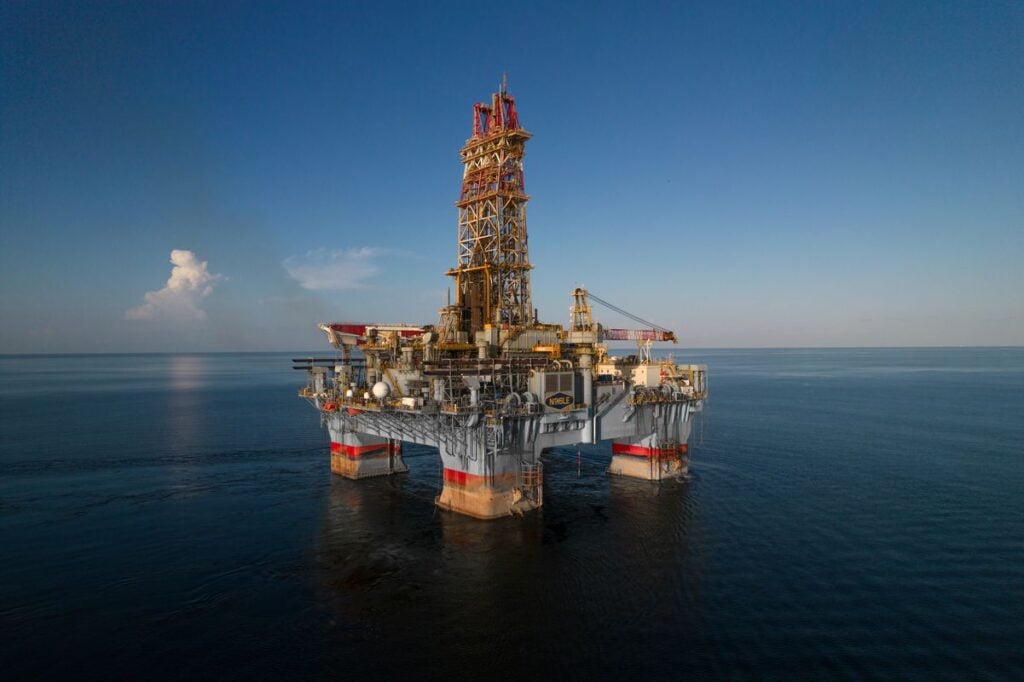
Higher prices have dramatically improved the economics of new offshore projects, especially HPHT developments and long tie-backs.
Direct Boost to Offshore, Subsea & Pipeline Projects
Sustained high prices are accelerating sanctioning across the industry:
Key Effects:
- Marginal fields and long-distance tie-backs now highly profitable
- Faster development of HPHT prospects in the Gulf of Mexico, Brazil, and Namibia
- Increased demand for advanced flowlines, umbilicals, all-electric systems, and insulation technologies
- Renewed investment in pipeline infrastructure to support associated gas and export routes
LNG Supply Surge as a Partial Counterbalance
While oil prices remain elevated, the massive 2026 LNG supply wave (led by the U.S. and Qatar) is helping moderate gas prices and providing some relief to global energy markets.
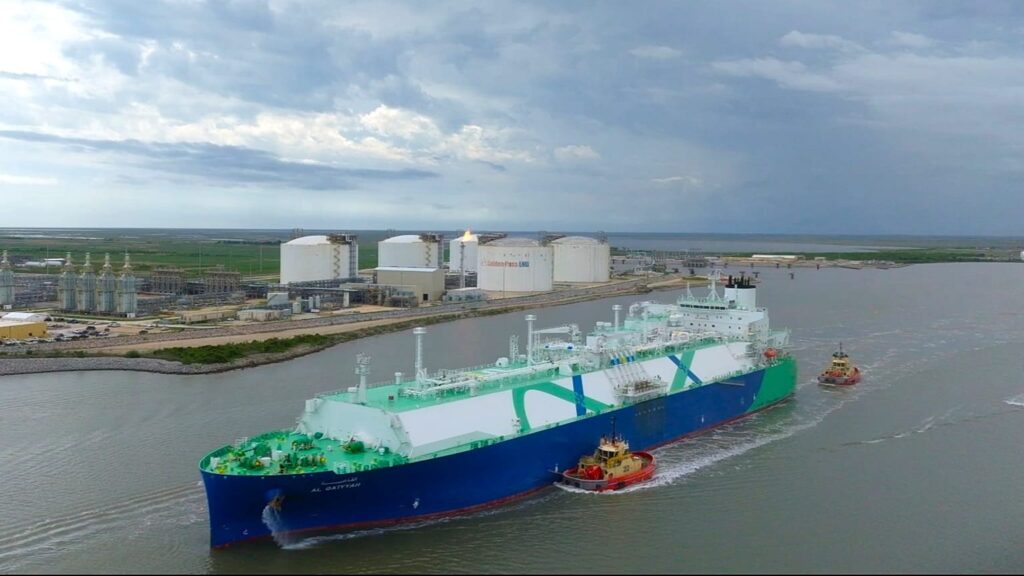
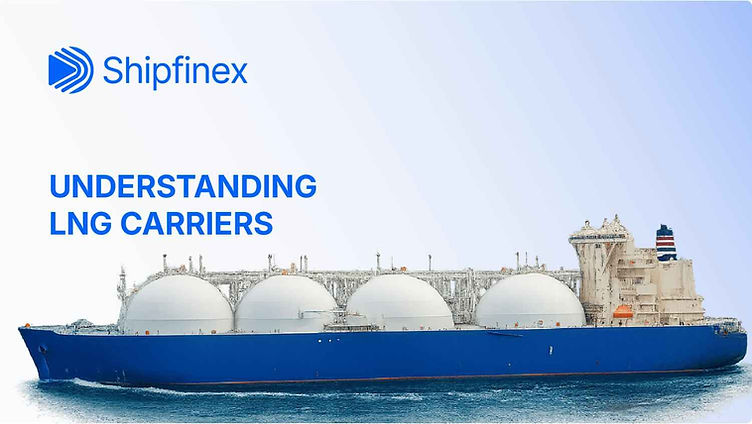
This dual dynamic — high oil prices + growing LNG supply — creates a unique environment where offshore oil projects thrive while gas infrastructure expands rapidly.
AI Adoption: Managing Complexity in a High-Price, High-Risk World
Operators are using AI aggressively to control costs and maximize uptime despite geopolitical volatility.

AI Applications Delivering Results:
- Predictive maintenance reducing downtime
- Digital twins for real-time reservoir and pipeline optimization
- AI-driven flow assurance and drilling optimization
- Autonomous subsea intervention systems
Outlook for the Rest of 2026 and BeyondBrent is expected to remain in the $90–$115 range for the foreseeable future unless a durable resolution to the Hormuz situation is reached. This environment strongly favors:
- Offshore developments in politically stable basins
- Advanced subsea and pipeline technologies (HPHT, all-electric, digital monitoring)
- Energy security-driven diversification projects
For subsea pipeline engineers, flow assurance specialists, and HPHT experts:
This is one of the strongest project environments in years. High prices reward technical excellence and innovation.
By Oko Immanuel, M.Eng
Founder, Offshore Pipeline Insight | Subsea Engineering Specialist
May 2026