AI, IoT, and Rigs Controlled by Robotics (Offshore & Onshore)
By Oko Immanuel, M.Eng | Offshore Pipeline Insight | June 2026
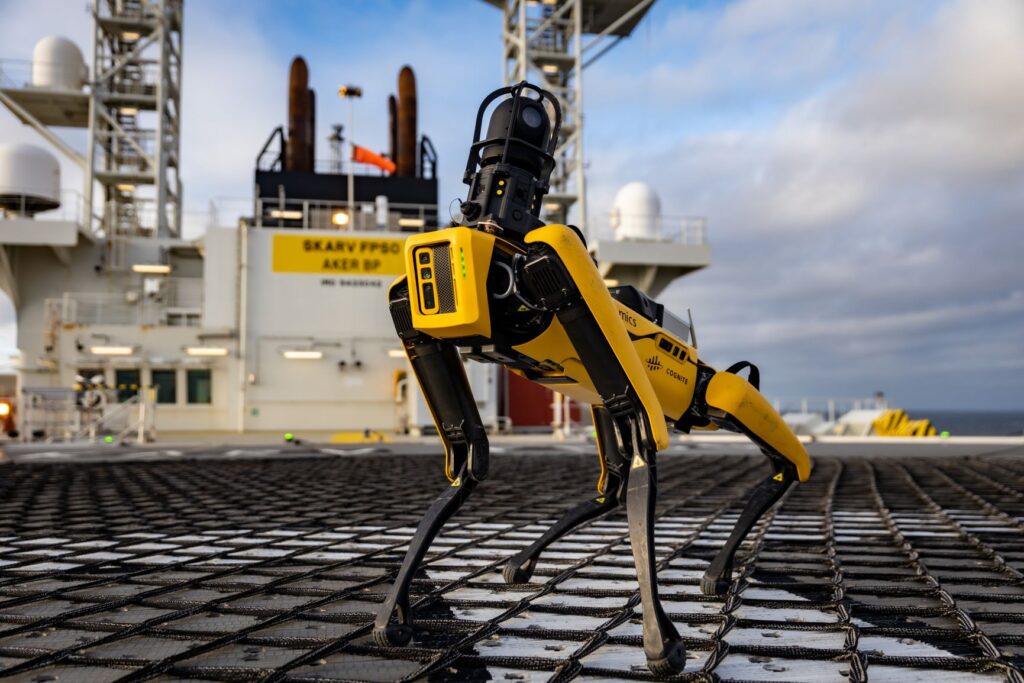
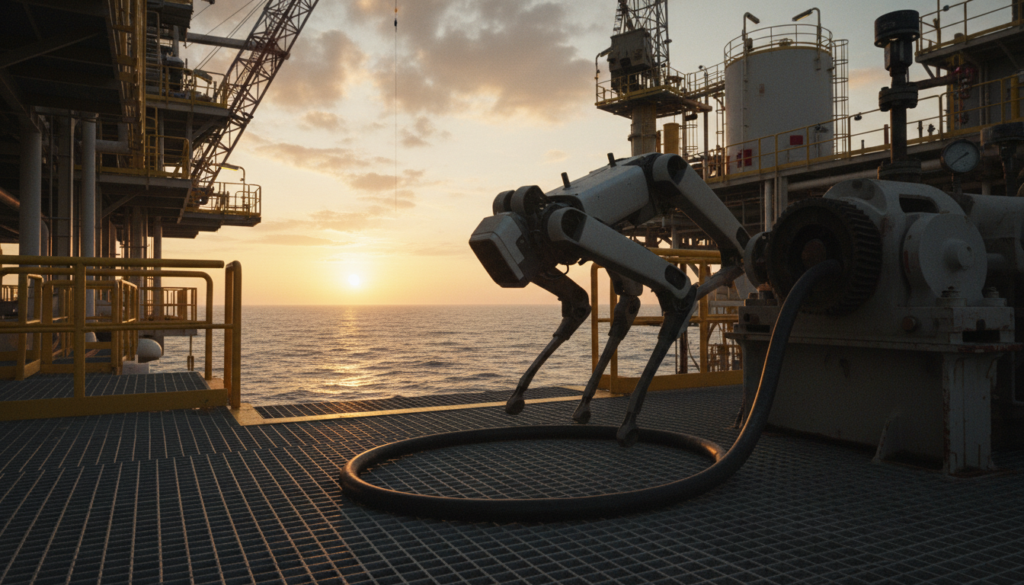
The drilling rig of 2026 looks dramatically different from the one of just five years ago. Humans still oversee operations, but AI systems now make thousands of real-time decisions, robots handle dangerous pipe-handling tasks, and smart wearables monitor worker biometrics to prevent incidents before they occur. Non-productive time (NPT) is dropping sharply, safety records are improving, and rigs are becoming data-driven decision machines.
This article explores how AI, IoT, and robotics are transforming both offshore and onshore drilling — and what it means for efficiency, safety, and the future of our industry.
From Manual to Autonomous: The Shift in Drilling Operations
Traditional drilling relies heavily on human experience and manual adjustments. In volatile markets with fluctuating oil prices and complex geology, this approach creates inconsistencies and high downtime.
AI and automation change that by enabling closed-loop systems:
- Real-time data from thousands of IoT sensors feed into AI models.
- Predictive algorithms optimize weight-on-bit, RPM, torque, and fluid parameters.
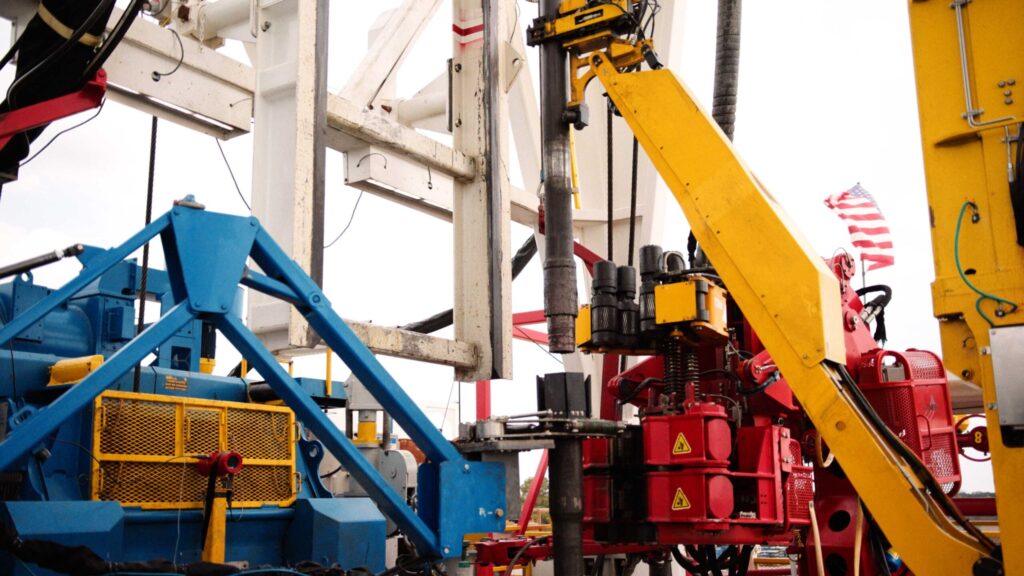
- Autonomous directional drilling systems steer the bit with minimal human input.
Key Technologies Driving the Autonomous Rig1.
AI-Driven Predictive Maintenance
IoT sensors continuously monitor vibration, temperature, pressure, and torque on top drives, mud pumps, draw works, and BOPs. AI models predict failures days or weeks in advance, slashing unplanned downtime by 20–40%.
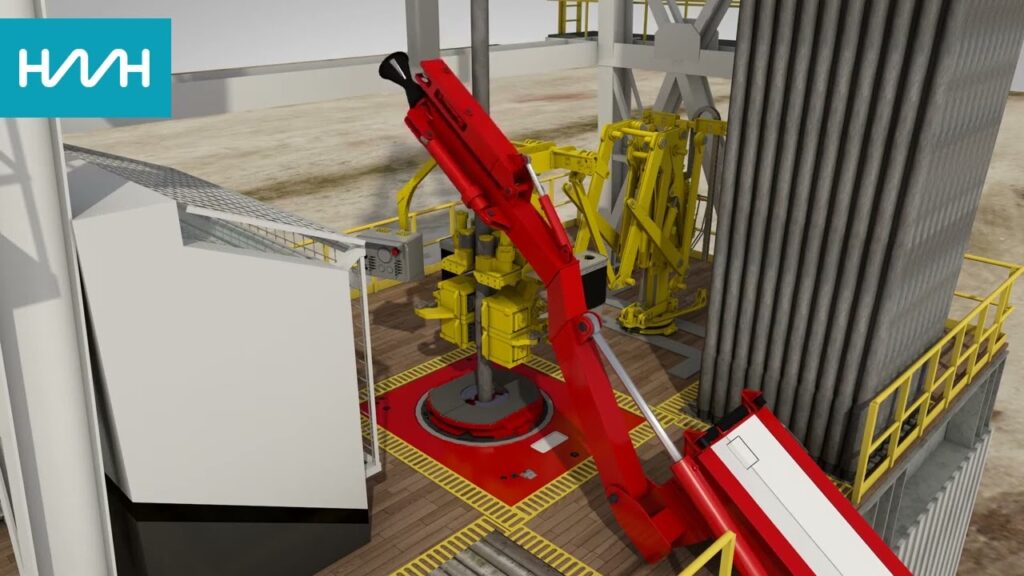
2. Robotics and Automated Pipe Handling
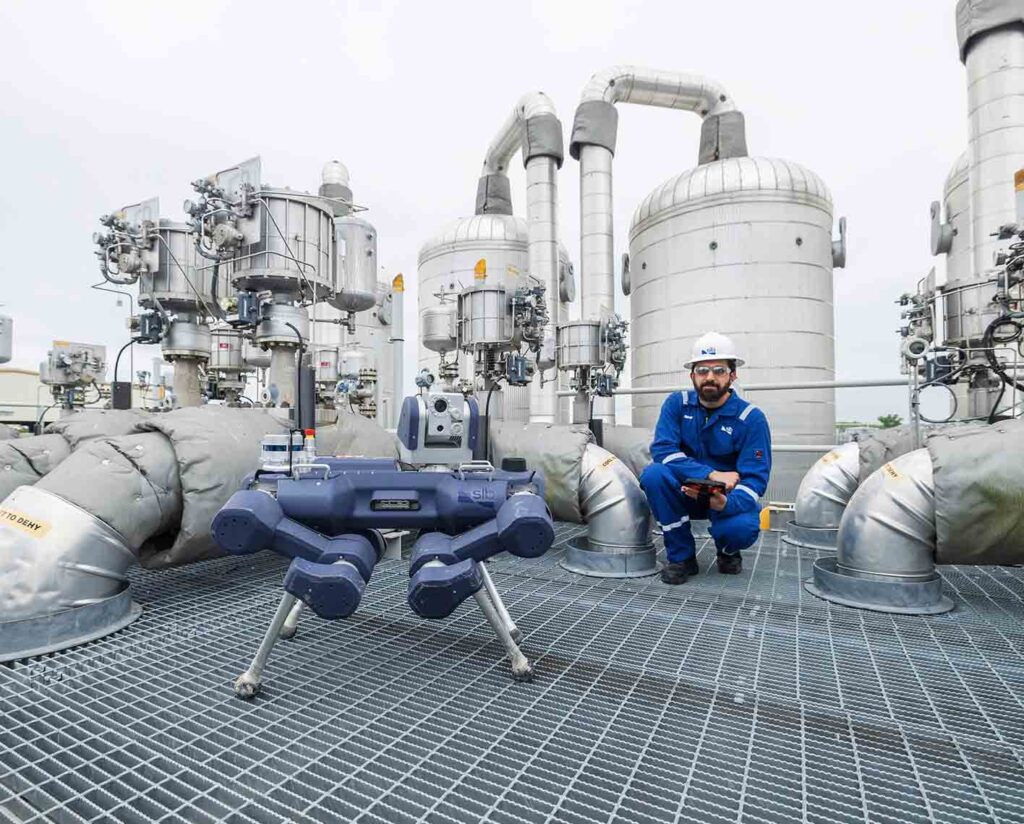
Robotic systems handle repetitive, high-risk tasks like pipe connection and racking, reducing crew exposure to the red zone and cutting connection times significantly.
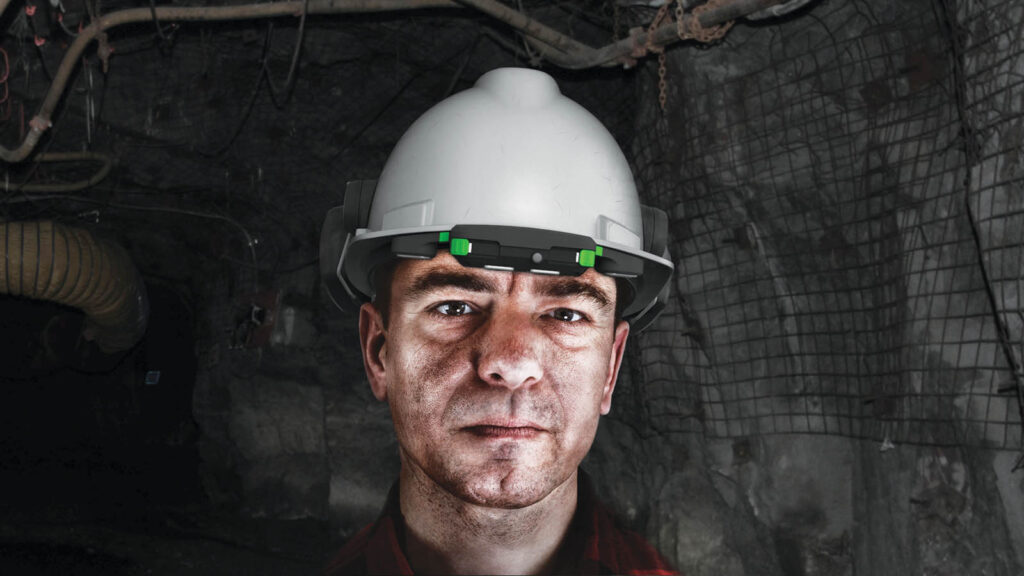
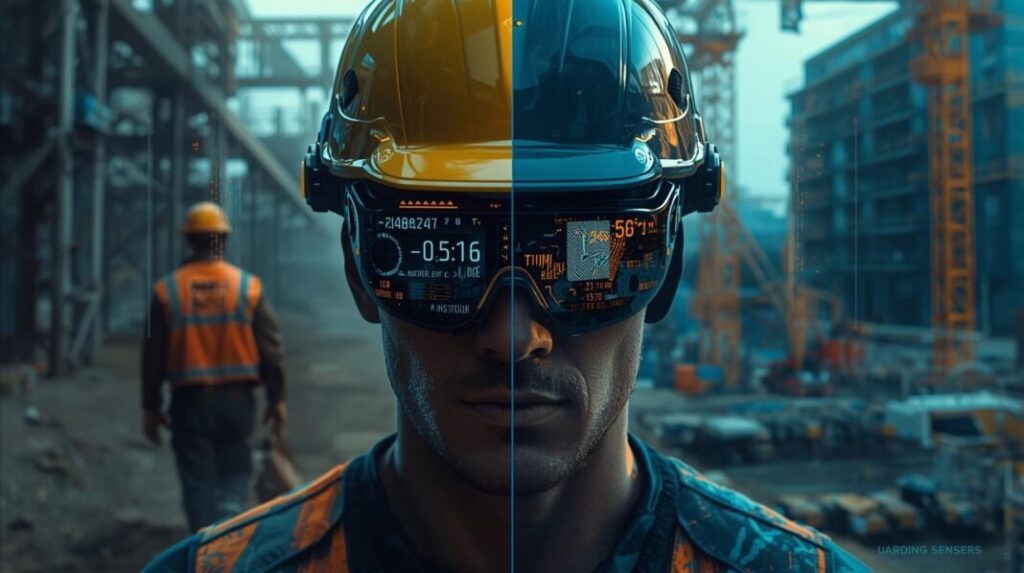
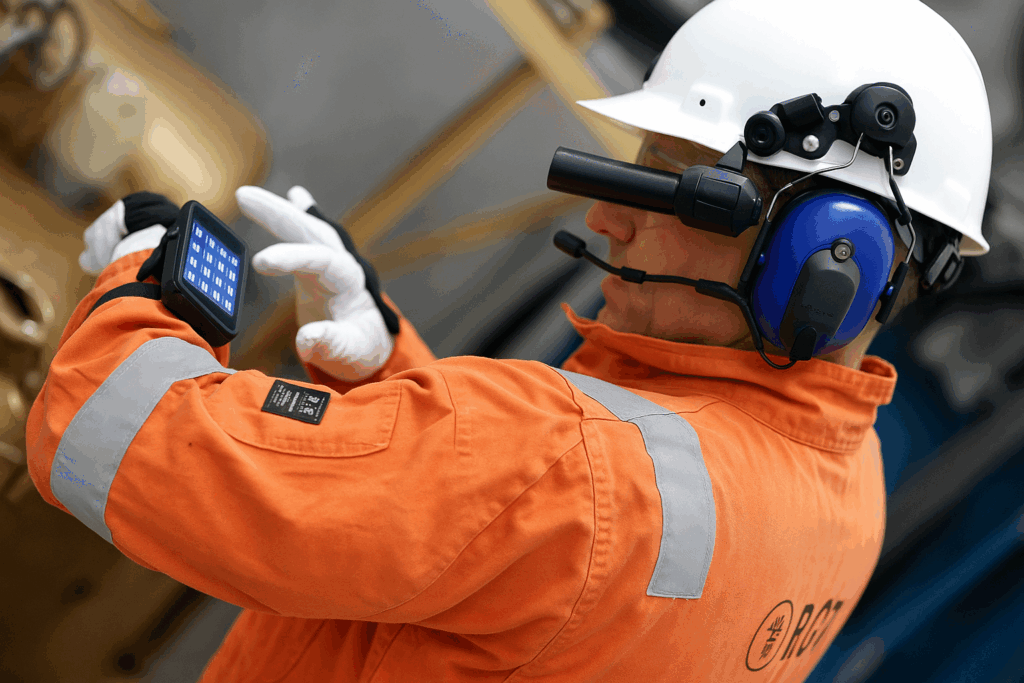
3. Smart Wearables & Biometric Helmets
- Real-time heart rate, fatigue, and heat stress monitoring.
- AR-enabled helmets with heads-up displays for remote expert guidance.
- Integrated gas detection, fall alerts, and hazard visualization.
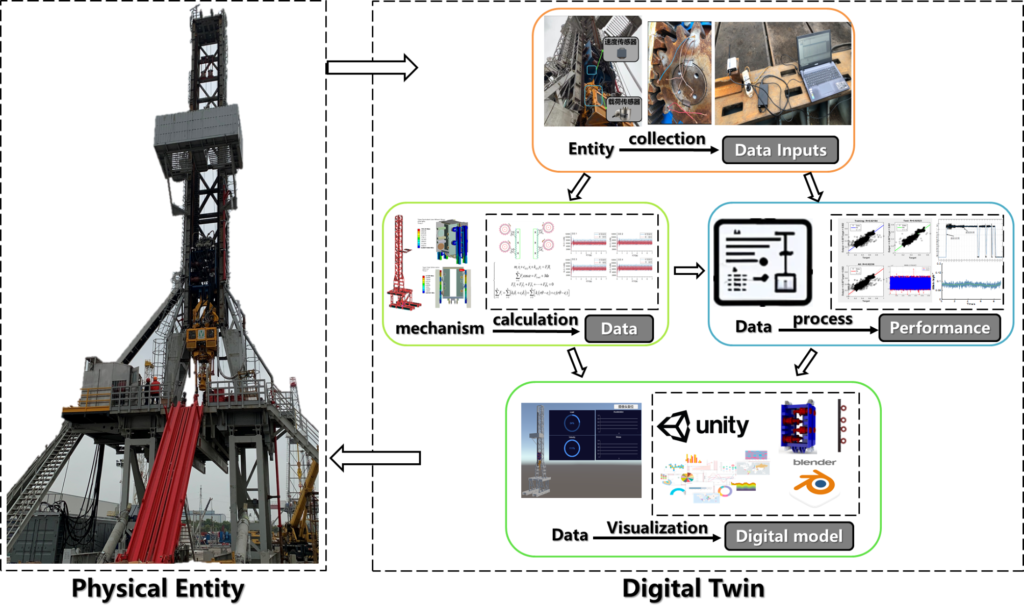
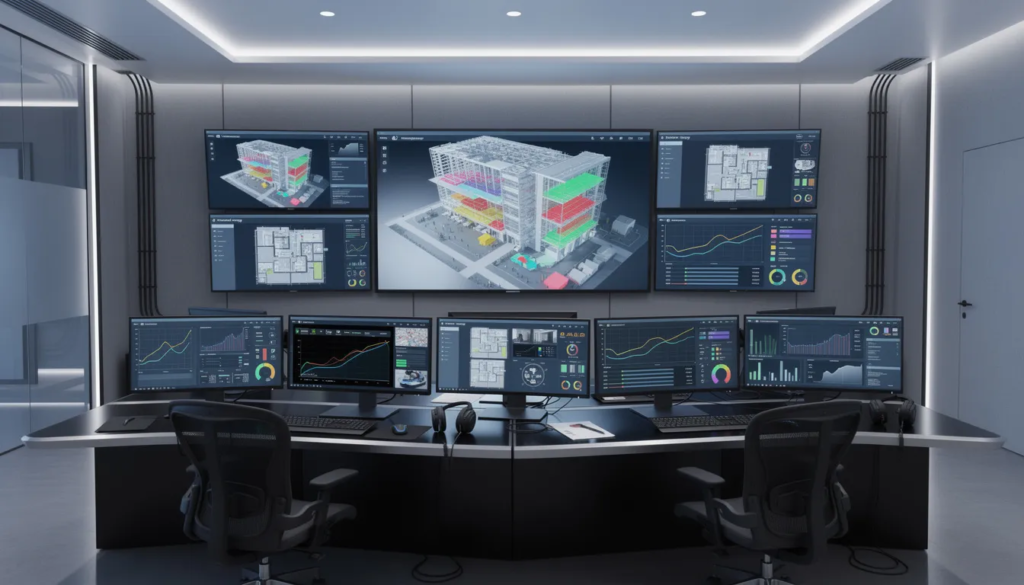
4. Digital Twins & Cloud Platforms
Platforms like SLB’s DELFI, Halliburton’s iEnergy, and Baker Hughes’ Leucipa create virtual replicas of the rig for simulation, optimization, and training.
Offshore vs. Onshore: Where Autonomy Delivers Biggest Gains
Offshore (Deepwater & Harsh Environments):
High daily rig rates make even small NPT reductions deliver massive savings. Remote operations centers monitor multiple rigs, with AI handling routine decisions. Robotics shines in rough seas.
Onshore (Unconventional Shale):
Automated rigs move quickly between wells on pads, while AI optimizes geo-steering in complex laterals.
Real-World Impact and Results
- Drilling Efficiency: Rate of penetration (ROP) improvements of 12–18% with closed-loop AI systems.
- Safety: Significant reduction in high-risk manual tasks.
- Cost Savings: Overall well costs reduced by 10–25% in mature deployments.
Challenges on the Path to Full Autonomy
- Cybersecurity risks from increased connectivity.
- Regulatory approval for unmanned operations.
- Workforce upskilling and integration with legacy equipment.
Implications for Offshore Pipeline & Subsea Professionals
Autonomous rigs generate cleaner, more consistent well data that improves subsea tie-back design, flow assurance, pipeline integrity monitoring, and CCUS/hydrogen project planning.
The Future Rig: Hybrid Human + Machine
By the early 2030s, we’ll see “lights-out” sections of drilling, with humans focused on oversight and strategic decisions. The rig becomes a smart asset in a broader digital oilfield ecosystem.
The Autonomous Rig isn’t about removing people — it’s about augmenting them with superhuman precision, endurance, and foresight.
What autonomous technologies are you seeing on rigs in your operations? Share your experiences with AI drilling, robotics, or smart wearables in the comments!
Next in the series: CCUS on Autonomous Platforms.
Sources: SPE/IADC, SLB, Transocean, Halliburton, Baker Hughes (2025–2026 reports).
This site uses Amazon affiliate links. Clicking them and making any purchase helps support the creation of more technical content — at no additional cost to you. https://amzn.to/4ew3lSB