By Oko, Founder of Offshore Pipeline Insight
Published: April 28, 2026
The era of “growth at all costs” is officially over. In 2026, the oil and gas industry has entered a new phase — the Era of Capital Discipline.
Faced with moderate oil prices, investor pressure for better returns, and lessons from past boom-and-bust cycles, operators are now prioritizing high-return, low-risk projects over expensive, unproven mega-projects.
Brownfield Tie-Backs Over Risky Exploration
Instead of drilling wildcat wells in ultra-deepwater frontiers, companies are focusing on brownfield developments and subsea tie-backs. These projects offer:
- Lower capital expenditure
- Faster payback periods
- Higher internal rates of return (IRR)
- Utilization of existing infrastructure
Tie-backs to existing platforms and FPSOs have become the preferred strategy to unlock stranded reserves while keeping costs under control.
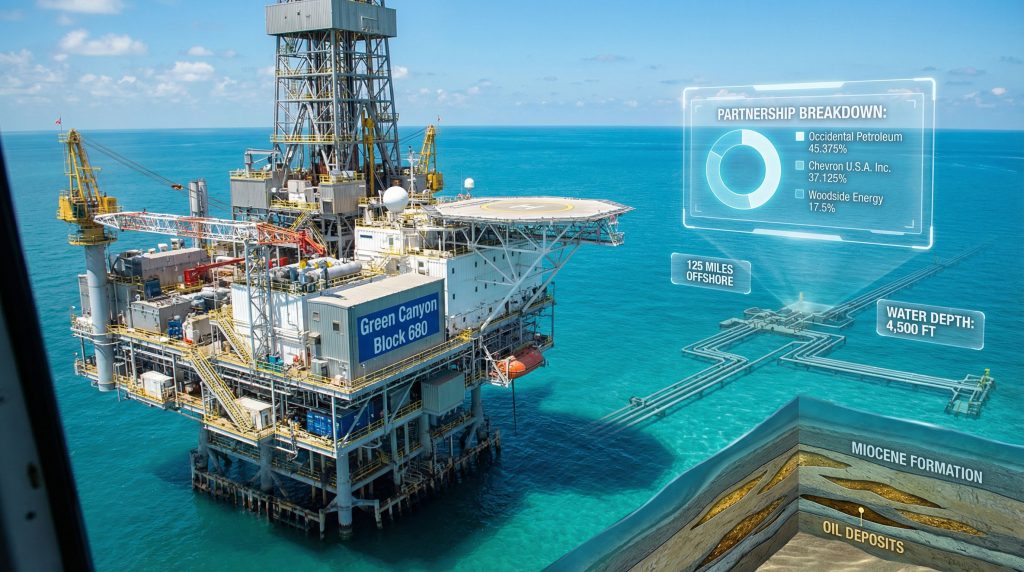
Modern deepwater platform supporting multiple subsea tie-backs — a classic example of capital discipline in action.
Shareholder Returns Take Priority
Shareholders are no longer impressed by headline production growth numbers. They want consistent free cash flow, strong dividends, and share buybacks.Many operators have publicly committed to returning 50–70% of free cash flow to shareholders while maintaining strict capital allocation discipline. Aggressive exploration budgets have been slashed in favor of incremental, high-confidence projects.
Selective Exploration in Frontier Basins
While overall exploration activity is down and headline discoveries are at record lows, investment is shifting to a few high-potential frontier basins:
- Guyana (continued success in the Stabroek Block)
- Namibia (promising discoveries in the Orange Basin)
- Select areas in Brazil pre-salt and the Gulf of Mexico
These targeted bets offer the possibility of massive upside while most capital remains focused on proven plays.
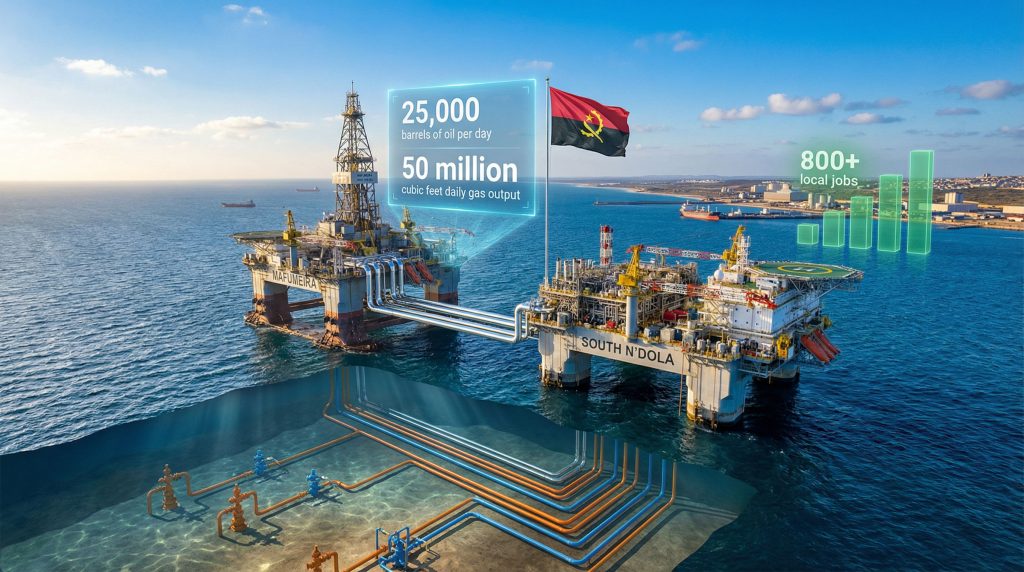
Floating production facility in a frontier development — selective high-impact exploration is replacing blanket drilling campaigns.
Implications for Offshore Pipelines & Midstream
This shift toward capital discipline creates clear opportunities and challenges for pipeline infrastructure:
- Increased demand for cost-effective tie-back flowlines and risers
- Greater focus on life extension and integrity management of existing pipelines
- Preference for standardized, modular pipeline solutions to reduce costs
- Slower pace of new large-diameter export pipeline projects
Midstream companies that can offer flexible, low-cost gathering and export solutions will thrive in this environment.
Looking Ahead
The Era of Capital Discipline is not temporary — it represents a structural change in how the industry operates. Companies that master disciplined capital allocation, operational efficiency, and smart project execution will deliver superior long-term returns.For offshore pipeline engineers and professionals, this means more work in optimization, brownfield tie-backs, and maximizing value from existing infrastructure.
What are you seeing in your region?
Are operators in your area prioritizing tie-backs and brownfield projects, or are they still chasing big exploration wins? Drop your thoughts below.