The offshore oil and gas sector is experiencing The Great Consolidation — one of the most significant waves of mergers and acquisitions in the past decade. From drilling contractors to subsea service providers and upstream operators, companies are combining forces to achieve scale, reduce costs, access new technologies, and strengthen resilience in a capital-disciplined, energy-transition-driven environment.
This wave is not just about financial engineering. It is fundamentally changing how projects are executed, how talent is deployed, and how the next generation of HPHT, deepwater, and long-tieback developments will be delivered.
Transocean’s $5.8 Billion Acquisition of Valaris: Creating the World’s Largest Drilling ContractorThe headline transaction in 2026 is Transocean’s proposed all-stock acquisition of Valaris, valued at approximately $5.8 billion. If approved by regulators, the deal will create the world’s largest offshore drilling contractor with a combined fleet of 73 rigs, including 33 ultra-deepwater drill -ships, 9 high-spec semisubmersibles, and 31 modern jack-ups.
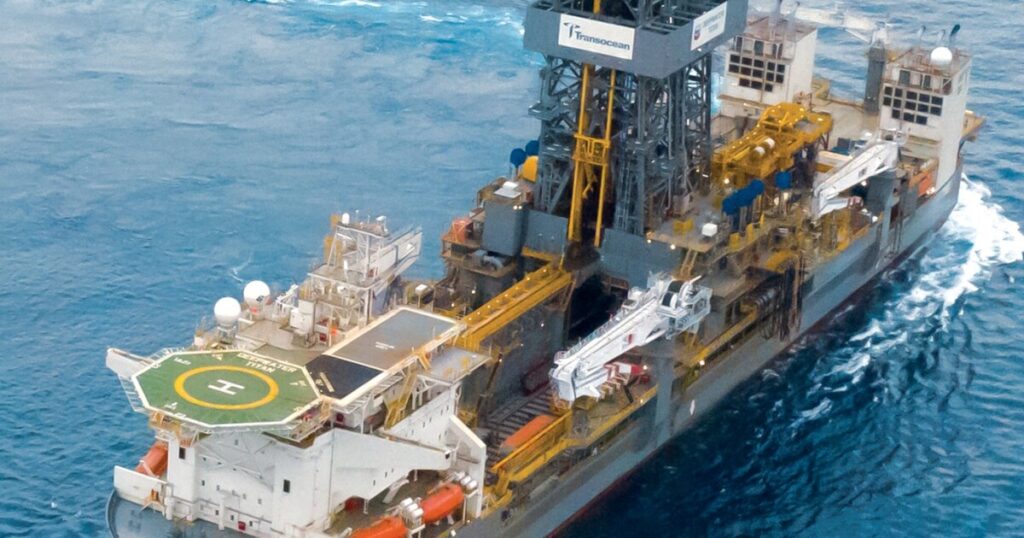
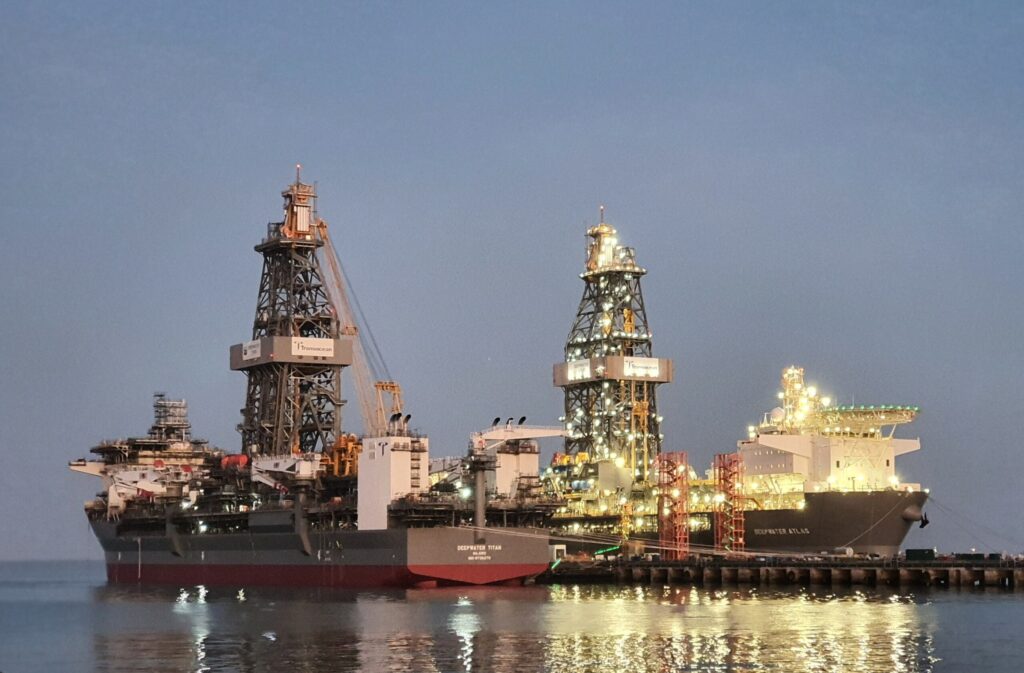
Key Deal Details (as of May 2026):
- Transocean shareholders are expected to own about 53% of the new entity.
- Anticipated annual cost synergies exceeding $200 million.
- Combined enterprise value of roughly $17 billion.
- Expected closing in the second half of 2026, pending antitrust clearance (particularly in the United States).
This merger reflects the intense pressure on drilling contractors to achieve economies of scale. Larger fleets allow better utilization rates, stronger negotiating power with operators, and the ability to invest in next-generation rigs equipped for HPHT and all-electric operations.
Broader M&A Activity Across the Value Chain
Consolidation is happening at every level of the offshore industry:
- Oilfield Services: Schlumberger’s integration with ChampionX and other strategic moves are creating more integrated service offerings that span drilling, completion, and subsea.
- Subsea & Installation Contractors: Ongoing developments involving Subsea7, Saipem, and TechnipFMC are reshaping EPC capabilities for complex tie-backs and HPHT projects.
- Upstream Operators: While the mega-supermajor deals of 2024–2025 (Exxon-Pioneer, Chevron-Hess) slowed, mid-tier operators continue selective acquisitions, especially in high-growth basins like Guyana and Brazil pre-salt.
- Equipment & Technology Providers: Smaller specialists in subsea boosting, all-electric systems, and digital twins are becoming attractive acquisition targets.
Primary Drivers of the Consolidation Wave:
- Capital Discipline: Operators demand lower costs; larger contractors can spread high fixed costs across bigger fleets and project portfolios.
- Technological Investment: Developing HPHT-rated equipment, all-electric trees, and advanced digital twins requires massive R&D budgets that smaller players cannot easily match.
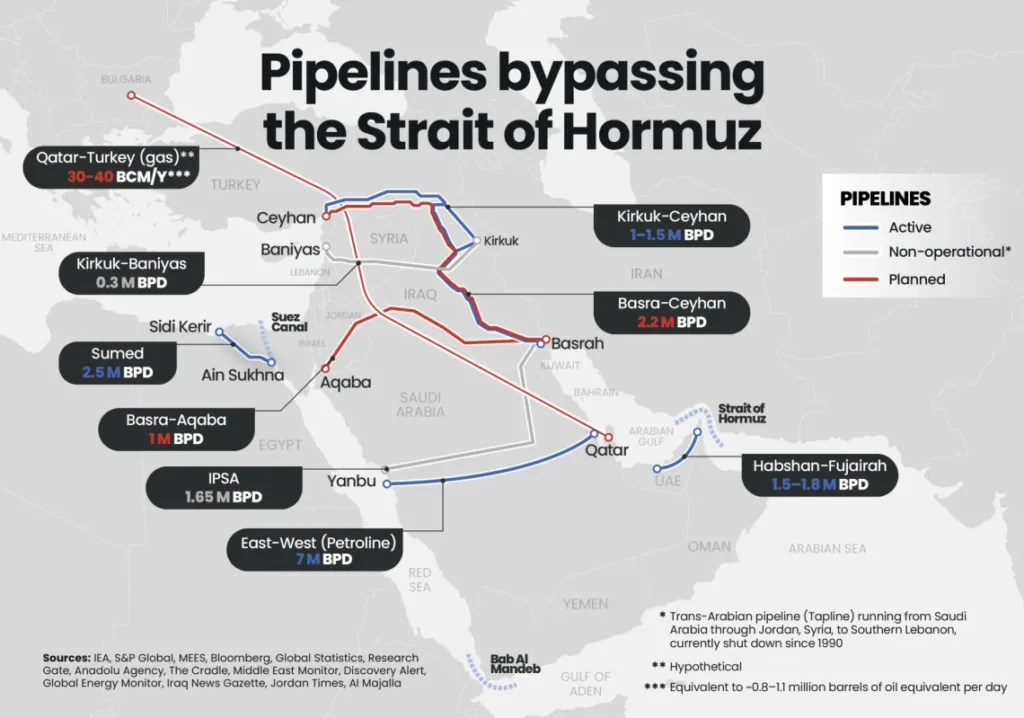
- Energy Security: Post-Hormuz disruptions highlighted the need for resilient, diversified operations.
- Operational Efficiency: Eliminating duplicated regional offices, vessel fleets, and administrative functions delivers quick synergies.
Implications for Subsea, Pipeline & HPHT Professionals
The consolidation wave has direct and significant effects on technical professionals:For Engineers and Specialists:
- Larger combined companies can fund bigger, more complex projects — creating demand for experts in long-distance tie-backs, HPHT pipeline design, lateral buckling mitigation, and subsea power distribution.
- Integrated project delivery models favor engineers who understand the full system (reservoir to topside).
- Higher performance expectations during integration periods, with a focus on cost optimization and digital tools.
Workforce Impact:
- Short-term role overlaps may lead to restructuring, particularly in middle management, procurement, and certain support functions.
- However, demand for high-value technical skills (all-electric systems, advanced materials, digital twins, flow assurance) remains strong.
- Talent retention is becoming a key challenge — experienced subsea and pipeline engineers are highly mobile and often command premium compensation.
For Smaller Players:
- Niche specialists in marginal field tie-backs, advanced inspection robotics, or brownfield life extension still have strong opportunities.
- Many will either form strategic alliances or become attractive bolt-on acquisitions
Opportunities Created by Consolidation
While painful for some, the wave is producing stronger companies better equipped for the future:
- Greater ability to invest in all-electric and HPHT technologies.
- Improved project execution through standardized designs and digital workflows.
- Stronger balance sheets to weather price volatility and energy transition pressures.
- Enhanced capability to support operators in Guyana, Brazil, the North Sea, and frontier regions.
For subsea pipeline professionals, this environment rewards deep expertise in:
- HPHT materials selection and corrosion management
- Long-step-out flow assurance and thermal management
- Subsea power distribution and all-electric control systems
- Digital integrity monitoring and predictive maintenance
Outlook for 2026–2027
M&A momentum is expected to remain elevated through 2027. Pending deals like Transocean-Valaris, once completed, will set new benchmarks for scale and capability. Analysts anticipate continued activity in services and subsea segments as companies position themselves for the next cycle of deepwater and HPHT developments.
The industry is getting smaller in number of players but significantly stronger in technical and financial capability. This consolidation is creating a more resilient offshore sector capable of delivering complex projects efficiently while meeting higher ESG standards.
Final Message for Subsea & Pipeline Engineers
The Great Consolidation is not a threat — it is a catalyst. Companies that emerge stronger from this period will demand the highest standards of technical excellence. Those who invest in skills around HPHT design, all-electric systems, long tie-backs, and digital optimization will find themselves in high demand.The offshore industry is evolving. Embrace the change, sharpen your expertise, and position yourself at the forefront of the next generation of developments.
By Oko Immanuel, M.Eng
Founder, Offshore Pipeline Insight | Subsea Engineering Specialist
May 2026