By Oko , M.Eng | Offshore Pipeline Insight | July 28 2026
Modern society runs on a vast, invisible network of pipelines. Millions of miles of steel veins transport volatile hydrocarbons across continents and beneath ocean floors to meet the world’s insatiable energy demands. However, as this infrastructure ages and expands, the environmental consequences of midstream transportation have become an central pillar of environmental journalism. While both onshore and offshore systems present extreme ecological hazards, the nature of their threats depends entirely on the terrain they cross.
From the remote forests of the Midwest to the fragile ecosystems of the Pacific Coast, real-world pipeline failures continue to redefine the boundaries of environmental risk and corporate accountability.
Onshore Pipelines: Fragmented Ecosystems and Freshwater Poisoning
Onshore pipeline infrastructure cuts directly through the places where humans and land animals live, making its primary threats immediate, localized, and highly visible.
Habitat Fragmentation and Soil Erosion
The environmental impact of an onshore pipeline begins long before any oil or gas flows through it. Constructing an underground line requires clearing a massive, continuous right-of-way through forests, wetlands, and agricultural corridors. This process permanently fragments natural habitats, splitting wildlife migration corridors and altering local hydrology.

Furthermore, clearing deeply rooted vegetation triggers accelerated soil erosion and sediment runoff. A stark example of this construction-phase hazard occurred in June 2026, when an Enbridge Line 5 pipeline construction re-route resulted in an estimated 1,600 to 1,900-gallon spill of industrial bentonite drilling fluid directly into a forested wetland near Vaughn Creek in Iron County, Wisconsin. Such incidents permanently degrade local trout streams and disrupt fragile wetland vegetation.
The Threat of Third-Party Strikes
Unlike deep-sea lines, onshore pipelines are uniquely vulnerable to human activity. As urban and digital infrastructure expands, third-party excavation crews installing fiber-optic cables, water mains, or electric lines frequently strike underground energy corridors.
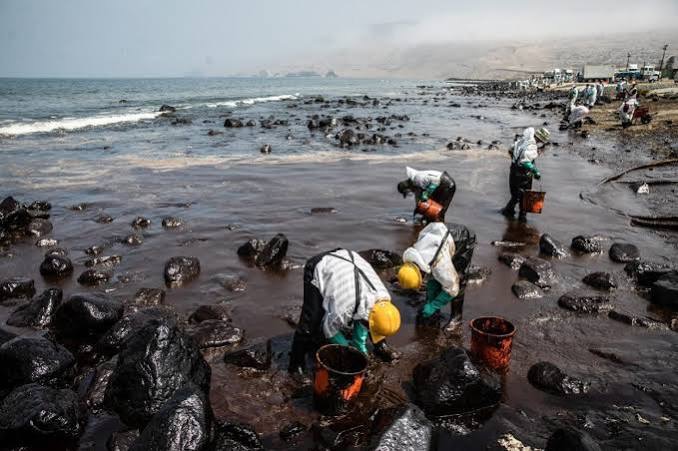
In May 2026, a telecommunications crew performing horizontal directional drilling for a fiber-optic line inadvertently struck a 16-inch crude oil pipeline in East Los Angeles. The high-pressure rupture released thousands of gallons of light crude oil into local city streets and storm drains, which subsequently discharged directly into the Los Angeles River. The incident demonstrated how easily onshore pipeline failures can paralyze urban infrastructure and introduce toxic hydrocarbons into fresh waterways.
Offshore Pipelines: Subsea Plumes and Benthic Destruction
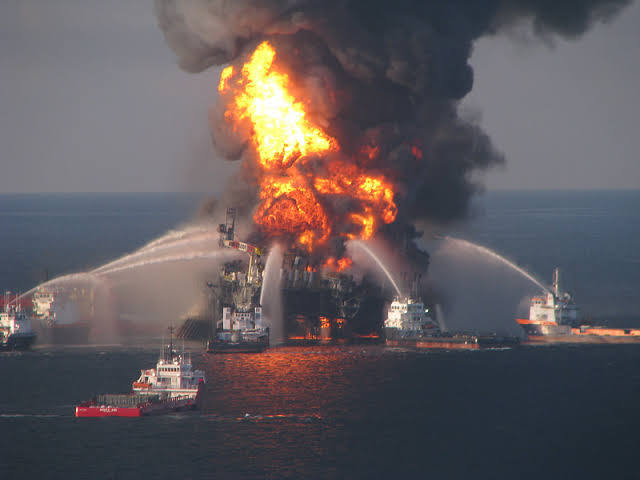
When an offshore pipeline fails, the environmental consequences unfold in a remote, high-pressure environment where containment is notoriously difficult and cleanup is rarely fully successful.
The Menace of Aging Offshore Infrastructure
Offshore pipelines are constantly subjected to extreme ocean currents, shifting seafloors, and the corrosive chemistry of saltwater. When aging subsea lines are not properly decommissioned or repaired, catastrophic failures are inevitable.
In early 2026, a crude oil discharge near the Louisiana Offshore Oil Port (LOOP) triggered a massive federal response off Grande Isle, releasing an estimated 31,500 gallons of crude oil into the Gulf of Mexico. The spill required a multi-agency Unified Command, dozens of vessels, and nearly 30,000 feet of protective containment booms to prevent the slick from completely suffocating surrounding barrier islands and local bird populations.
Similarly, the legal and political battle surrounding Sable Offshore’s contested Santa Ynez pipeline system in California underscores the intense public anxiety over restarting older offshore infrastructure that historically caused massive coastal damage.
Toxic Subsea Plumes and Benthic Destruction
When a pipeline ruptures at the bottom of the ocean, the high ambient pressure forces the escaping hydrocarbons to emulsify. Instead of rising purely to the surface, a significant portion of the oil forms toxic underwater plumes. These deep-sea plumes drift via marine currents, directly poisoning benthic organisms, deep-sea coral reefs, and commercial fish nurseries. The carcinogenic toxins bioaccumulate up the marine food web, causing severe embryonic mutations in fish and long-term population collapses across entire marine sanctuaries.
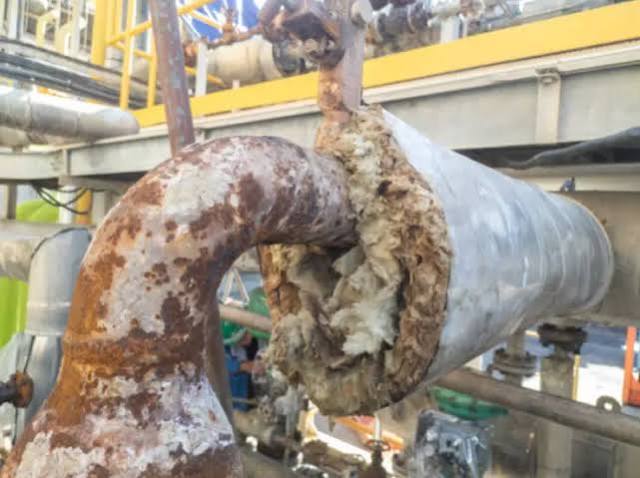
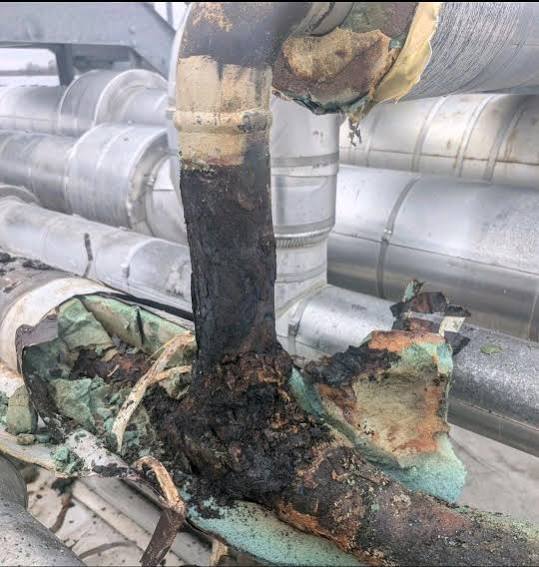
Subsea Pipeline raptured .
The Looming Crisis of Infrastructure Lifespans
Whether on land or at sea, the underlying catalyst for modern pipeline disasters is structural aging. According to federal regulatory data, nearly half of the crude oil pipeline infrastructure operating in North America has surpassed its original 50-year design lifespan. In the first half of 2026 alone, multiple major pipeline explosions and blowouts shook the United States—ranging from a natural gas line evacuation in Choudrant, Louisiana to an inactive pipeline explosion operated by Delfin Offshore Pipelines in Cameron Parish, Louisiana.
As operators continue to prioritize corporate throughput over preventative maintenance, the burden of proof falls onto environmental journalists and local communities to demand stricter regulatory compliance, advanced automated monitoring systems, and the safe decommissioning of legacy infrastructure before the next inevitable spill occurs.
Heads up! If you need to restock your household essentials or pick up some new gear, consider using my link. I get a small commission at no extra cost to you, which helps me write more content like this. Thanks for the support!
👉 [Shop Amazon Here.https://amzn.to/3S3dwHb]