By Oko, Founder of Offshore Pipeline Insight
Published: April 17, 2026
For years, the Permian Basin was known as America’s oil powerhouse — but its associated natural gas was often treated as a problem. Excessive flaring, low prices, and takeaway constraints turned billions of cubic feet into wasted emissions.
Then came the AI boom.
In 2026, the Permian is quietly transforming into the “Silicon Valley of Energy” — not by producing chips, but by powering them. Hyperscale data center operators (Google, Microsoft, Meta, Amazon, and others) are building or partnering on massive gas-fired power plants directly in the basin, turning stranded and associated gas into a high-value, behind-the-meter energy source.This shift has dramatically reduced flaring, stabilized gas prices, and created a new revenue stream for producers and midstream companies.
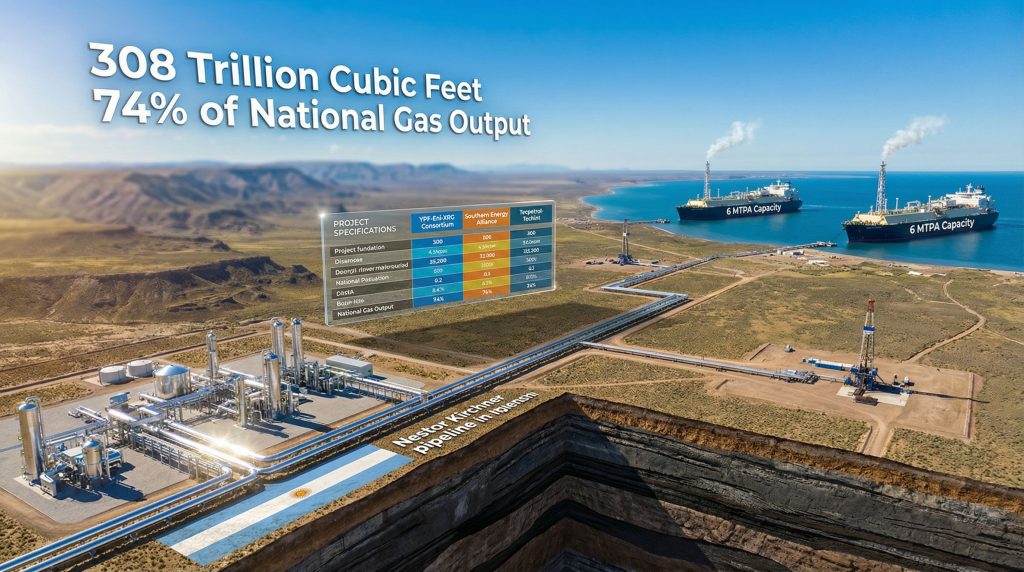
Aerial view of Permian Basin infrastructure with emerging data center and gas-fired power developments — the region is rapidly becoming a hub for AI-driven energy demand in 2026.
The AI Power Surge Meets Permian Gas Abundance
Training and running large AI models requires enormous, always-on electricity. A single hyperscale data center can consume hundreds of megawatts — equivalent to a small city. Grid constraints and the intermittency of renewables have pushed many operators toward on-site or co-located natural gas power generation.
Key 2026 developments include:
- Chevron’s plans for up to 5 GW of gas-fired power capacity in West Texas.
- Pacifico Energy’s GW Ranch project in Pecos County, targeting 7.65 GW — one of the largest power developments in the U.S.
- Multiple other proposals (including Fermi America and direct partnerships with producers) aiming for 1–6 GW scales, many located near active gas production to minimize transportation costs.
These facilities can consume 1–2 billion cubic feet per day of natural gas — a meaningful portion of Permian output — turning what was once flared or sold cheaply into a premium, dedicated fuel source.
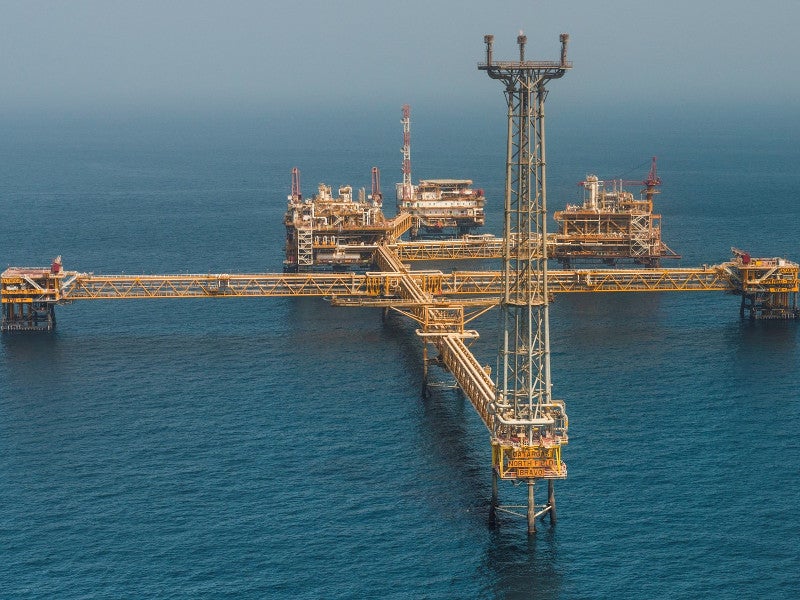
Large-scale gas infrastructure in the Permian Basin — associated gas that previously faced flaring pressure is now being redirected to power AI data centers, creating new midstream demand.
How AI Data Centers “Rescued” Natural Gas
- Sharp Reduction in Flaring: Producers now have a direct, high-value buyer for associated gas, significantly lowering flaring intensity in areas with active power projects.
- Improved Gas Realization: Behind-the-meter deals provide stable, long-term pricing far above spot market levels — sometimes valued at thousands of dollars per Mcf when converted into power.
- Midstream Revival: Gathering systems and processing plants are seeing renewed utilization. New short-haul pipelines and compression stations are being built specifically to serve these co-located facilities.
- Economic Multiplier: The boom is attracting not just data centers but also manufacturing, helium recovery, and related energy-tech industries.
Challenges and Midstream Implications
While promising, the trend brings new challenges:
- Emissions Pressure: New gas plants add to the basin’s carbon footprint, though many projects are incorporating efficiency improvements and potential CCUS tie-ins.
- Infrastructure Strain: Data centers require significant cooling water, and power plants need supporting pipelines, compression, and grid upgrades.
- Pipeline Optimization: Midstream operators are shifting from handling volatile production swings to providing steady, high-volume gas delivery. This creates more predictable takeaway capacity but requires upgrades in treating and compression.
For pipeline and midstream companies, the AI data center boom means:
- Renewed demand for gathering and processing infrastructure.
- Opportunities to repurpose or expand lines for dedicated power supply.
- Long-term potential for integration with decarbonization efforts (e.g., hydrogen blending or CO₂ capture from gas plants).
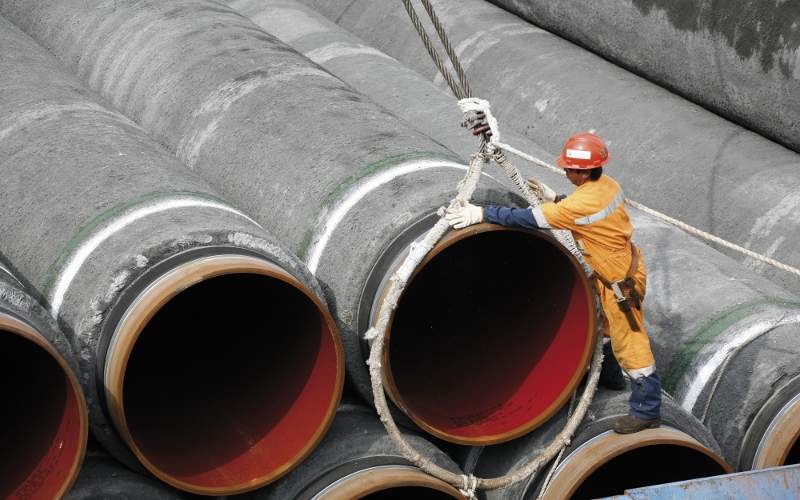
Large-diameter pipeline materials staged for deployment in the Permian — new gathering and short-haul lines are being built or upgraded to serve AI data center power demand.
Looking Ahead
In 2026, the Permian is proving that abundant, low-cost natural gas can be a strategic advantage in the AI era. What started as a solution to excess gas is evolving into a new economic pillar — turning the basin into a true energy-tech powerhouse.
The “Silicon Valley of the Permian” may not produce the chips, but it is increasingly powering the intelligence behind them.
What impact do you see AI data centers having on Permian gas demand and midstream infrastructure? Have you observed changes in gathering or export strategies due to these projects?