By Oko, M.Eng | Offshore Pipeline Insight | July 28 2026
Third-party excavation damage remains one of the leading causes of pipeline failures in the United States and many other countries. Despite decades of public awareness campaigns, one-call systems, and regulatory requirements, accidental strikes by construction, utility, and fiber-optic crews continue to cause ruptures, spills, injuries, and significant environmental harm.
In 2026, the issue has gained renewed public and regulatory attention following a series of high-profile incidents, including the May 2026 East Los Angeles pipeline rupture in which a fiber-optic drilling crew accidentally struck a crude oil pipeline and released thousands of gallons of oil into the Los Angeles River.This article examines the scale of the problem, why third-party damage continues to occur, the real-world consequences, and the practical steps pipeline operators and the wider industry are taking to reduce these incidents.
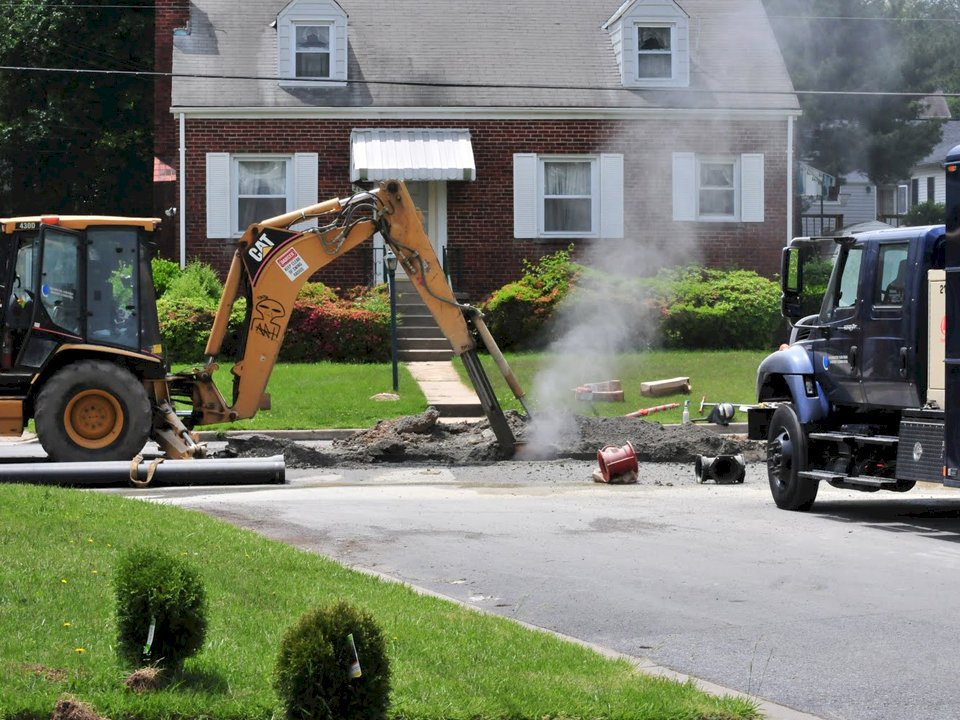
Caption: Excavation equipment working near underground utilities — a common setting for accidental pipeline strikes.
The Scale of the ProblemState regulatory agencies and the Pipeline and Hazardous Materials Safety Administration (PHMSA) consistently report that third-party damage is among the top causes of pipeline incidents. In states with dense infrastructure such as Texas and California, thousands of accidental “strikes” or near-misses are reported every year involving pipelines, utilities, and fiber-optic installations.
Common sources of damage include:
- Horizontal directional drilling (HDD) for fiber-optic and telecom cables
- Utility excavation for water, sewer, gas, and electric lines
- Road and highway construction
- Residential and commercial development
- Agricultural and landscaping activities
Even when operators maintain accurate records and participate in one-call (811) systems, incomplete locating, inaccurate maps, or failure to wait for proper marking can lead to strikes.
The May 2026 East Los Angeles Incident
The May 2026 East Los Angeles pipeline rupture brought the issue into sharp public focus. According to reports, a fiber-optic installation crew performing horizontal directional drilling struck a crude oil pipeline. The resulting release sent thousands of gallons of oil into the Los Angeles River, triggering emergency response, environmental cleanup, and intense media coverage.
Incidents of this type highlight several recurring challenges:
- The rapid expansion of fiber-optic networks increases the volume of drilling activity near existing energy infrastructure.
- Older pipelines may not always appear clearly on modern mapping systems used by contractors.
- Communication gaps between excavators, locating services, and pipeline operators can allow work to proceed without full awareness of underground hazards.
This event, along with other recent strikes, has intensified calls for stronger enforcement, better technology, and improved coordination.
Why Third-Party Strikes Continue to Occur
Several factors contribute to the persistence of excavation damage:
1. Incomplete or inaccurate locating
Even when 811 is called, locating can miss pipelines or mark them incorrectly, especially in congested urban corridors or where records are outdated.
2. Failure to follow safe digging practices
Some crews begin work before marks are placed, dig outside marked areas, or use mechanical equipment too close to the pipeline.
3. High volume of construction activity
Infrastructure expansion — particularly broadband and renewable energy projects — has increased the number of excavations near pipeline rights-of-way.
4. Mapping and data gaps
Older pipelines may lack precise GPS coordinates or digital as-built records, making them harder to locate accurately.
5. Communication and coordination failures
Multiple contractors, subcontractors, and utilities working in the same area can create confusion about who is responsible for verifying underground infrastructure.
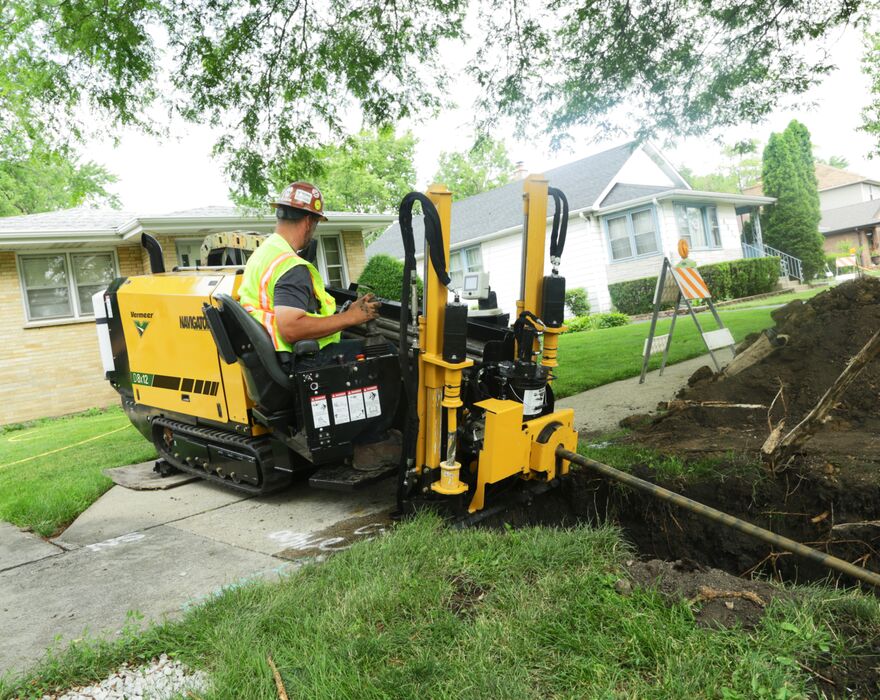
Caption: Horizontal directional drilling equipment used for fiber-optic installation — a frequent source of third-party pipeline strikes.
Consequences of Third-Party DamageThe impacts of excavation strikes can be severe:
- Pipeline ruptures and product releases — Oil, refined products, or natural gas can escape, creating fire, explosion, or environmental hazards.
- Environmental damage — Spills into waterways, soil, and sensitive habitats require costly and lengthy remediation.
- Public safety risks — Nearby residents, workers, and first responders can be endangered.
- Economic costs — Cleanup, repairs, lost product, regulatory fines, and litigation can run into millions of dollars.
- Service disruptions — Downstream customers and communities may lose fuel or gas supply.
- Reputational harm — High-profile incidents erode public trust in pipeline operators and the broader industry.
Even non-rupture strikes that only dent or gouge a pipe can create long-term integrity risks if not properly assessed and repaired.
Industry and Regulatory Responses
Pipeline operators, regulators, and industry groups are intensifying efforts to reduce third-party damage:
- Strengthening one-call (811) compliance and enforcement
- Expanding the use of improved locating technologies (electromagnetic, ground-penetrating radar, and advanced GPS mapping)
- Encouraging or requiring positive response systems so excavators confirm that marks have been placed
- Enhancing public awareness campaigns targeted at contractors and fiber-optic installers
- Investing in better digital pipeline mapping and data sharing
- Conducting more frequent right-of-way patrols and surveillance in high-activity areas
- Supporting damage-prevention education and training for excavation crews.
Some operators are also deploying additional protective measures such as concrete slabs, warning tape, or increased burial depth in high-risk corridors, although these are not always practical for existing lines.
What Pipeline Professionals Need to Know For integrity engineers, operations teams, and field personnel, third-party damage prevention remains a core responsibility.
Key focus areas include:
- Maintaining accurate and up-to-date pipeline location data
- Ensuring strong participation in one-call systems
- Rapid response to locate requests
- Thorough investigation and documentation of any strike or near-miss
- Collaboration with excavators and local authorities
- Continuous improvement of damage-prevention programs
Looking Ahead
Third-party excavation damage is unlikely to disappear completely. The combination of aging pipeline infrastructure, expanding broadband and utility networks, and ongoing construction activity means the risk will persist. However, improved technology, stricter enforcement, better data, and stronger industry coordination can significantly reduce the frequency and severity of incidents.
High-profile events such as the May 2026 East Los Angeles rupture serve as stark reminders of the consequences when prevention systems fail. For the pipeline industry, continued vigilance, investment in locating accuracy, and collaboration with the excavation community remain essential to protecting public safety, the environment, and critical energy infrastructure.