Published by Oko
Founder, Offshore Pipeline Insight
May 30, 2026
The United Kingdom and Australia represent two distinct models of how mature petroleum nations are navigating the global energy transition in 2026. While both countries rely heavily on offshore resources and steel-intensive infrastructure, their approaches differ significantly: the UK is managing a mature, declining North Sea basin with a strong push toward CCUS and energy security, while Australia is leveraging its world-class LNG exports and green hydrogen ambitions to position itself as a future clean-energy superpower.
This article examines the current state of the petroleum industry, energy transition policies, and the critical role of steel in both nations — with a special focus on subsea pipelines, offshore platforms, and decarbonization opportunities.
The UK North Sea: Mature Basin, Energy Security Focus, and Transition Acceleration
The UK Continental Shelf (UKCS) remains a vital part of the country’s energy mix, but it is clearly in decline. According to the North Sea Transition Authority (NSTA) Overview 2026, the UK is projected to produce 3.3 billion barrels of oil equivalent (boe) between 2026 and 2050 from existing and sanctioned fields. Fourteen major projects worth £10 billion are currently under assessment, with £58 billion+ expected to be spent on exploration and production activities between 2026 and 2030.
However, production continues to fall sharply. The NSTA notes that 93% of ultimately recoverable oil and gas resourceshave already been extracted, and exploration drilling has virtually halted — zero new exploration wells were drilled in 2025, with none planned for 2026. Capital expenditure (CapEx) is forecast to drop from £13.74 billion in 2026 to £9.19 billion by 2031.
In response, the UK government has launched a major new licensing round offering nearly 900 locations, aiming to fast-track high-potential areas for energy security amid global disruptions like the Strait of Hormuz crisis.
Key Transition Plays:
- CCUS clusters in the North Sea (e.g., Northern Lights-style projects and UK clusters)
- Hydrogen blending in existing pipelines
- Repurposing of aging infrastructure for CO₂ transport
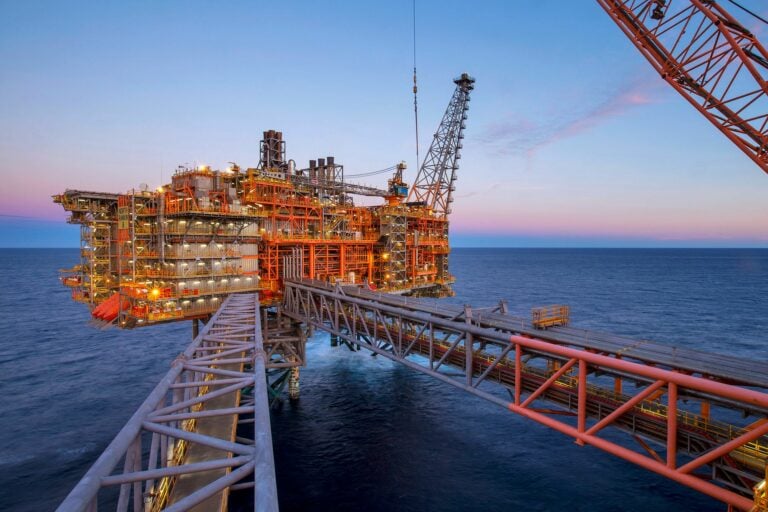
North Sea Offshore Platform — A mature asset at the heart of the UK’s energy security and transition strategy.
Australia: LNG Powerhouse with Domestic Supply Pressures and Green Ambitions
Australia remains one of the world’s top LNG exporters, with major projects in the North West Shelf driving activity. The Scarborough project (Woodside) is on track for first LNG from Pluto Train 2 in late 2026, supported by a 430 km offshore pipeline. Other developments include Gorgon backfill fields, Ichthys expansions, and the North West Shelf extension to 2070.
However, domestic gas supply concerns have led to new policy: from July 2027, LNG projects must reserve 20% of outputfor the domestic east-coast market. This has drawn criticism from industry but is designed to prevent shortages as southern fields decline.
Australia’s petroleum sector is increasingly intertwined with the energy transition:
- Strong push for green hydrogen and ammonia exports
- CCUS projects tied to LNG facilities
- Offshore gas developments feeding both domestic and export markets
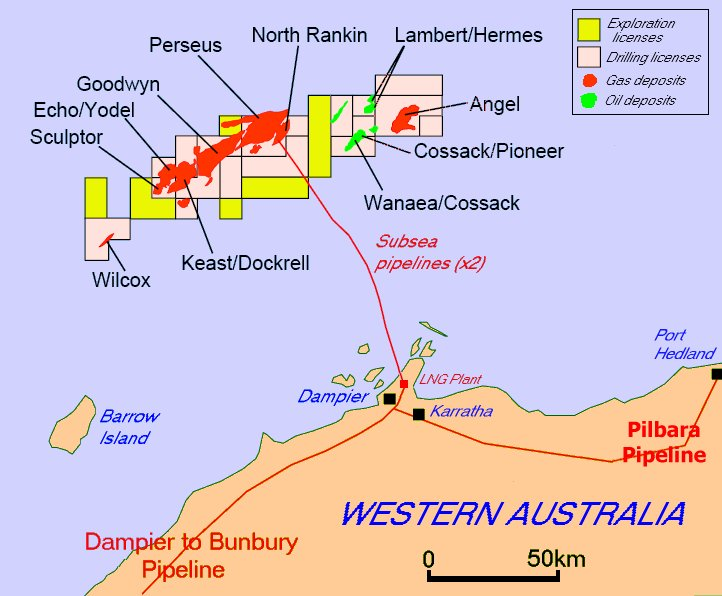
North West Shelf LNG Infrastructure — Australia’s LNG heartland continues to expand while balancing domestic needs.
The Critical Role of Steel in Both Nations’ Petroleum and Energy Future
Steel is the backbone of offshore petroleum infrastructure — from subsea pipelines and platform jackets to risers and flowlines. Both countries face similar challenges and opportunities here:
- UK Steel Demand: Driven by offshore wind (50 GW target), CCUS pipelines, and North Sea maintenance/repurposing. The UK steel market is projected to grow steadily, with significant demand from renewable energy infrastructure.
- Australia Steel & Green Iron: Ambitious green steel projects (using hydrogen-based direct reduced iron — DRI-EAF) are underway, supported by cheap renewable energy and natural gas for blue hydrogen pathways. Steel producers like BlueScope are exploring hydrogen integration.
Pipeline-grade steel must now handle not only traditional hydrocarbons but also dense-phase CO₂ (for CCUS) and hydrogen blends — requiring advanced corrosion-resistant alloys and coatings to combat embrittlement and corrosion.
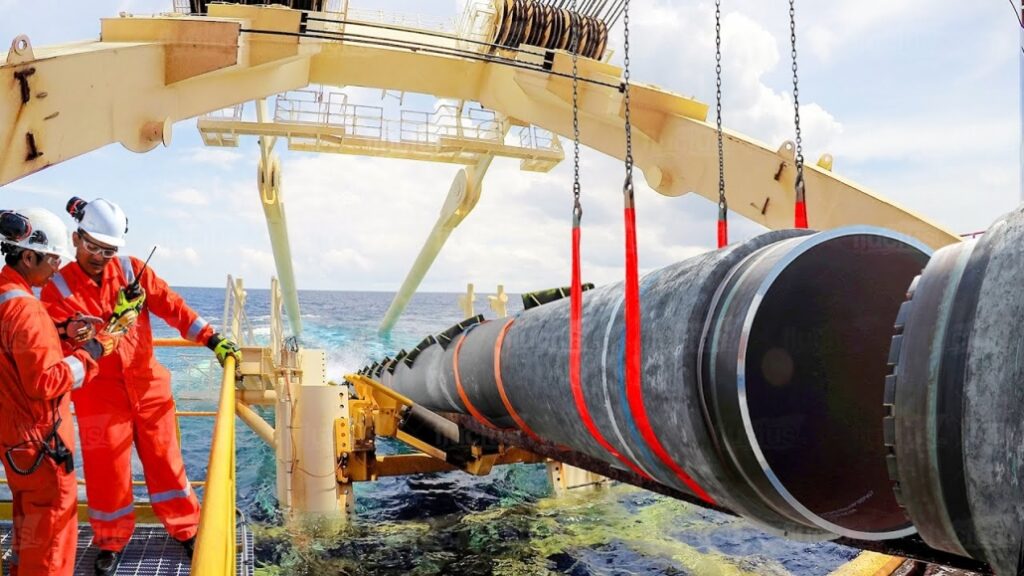
Offshore Steel Pipeline Construction — High-strength steel remains essential for both traditional petroleum and new energy applications.
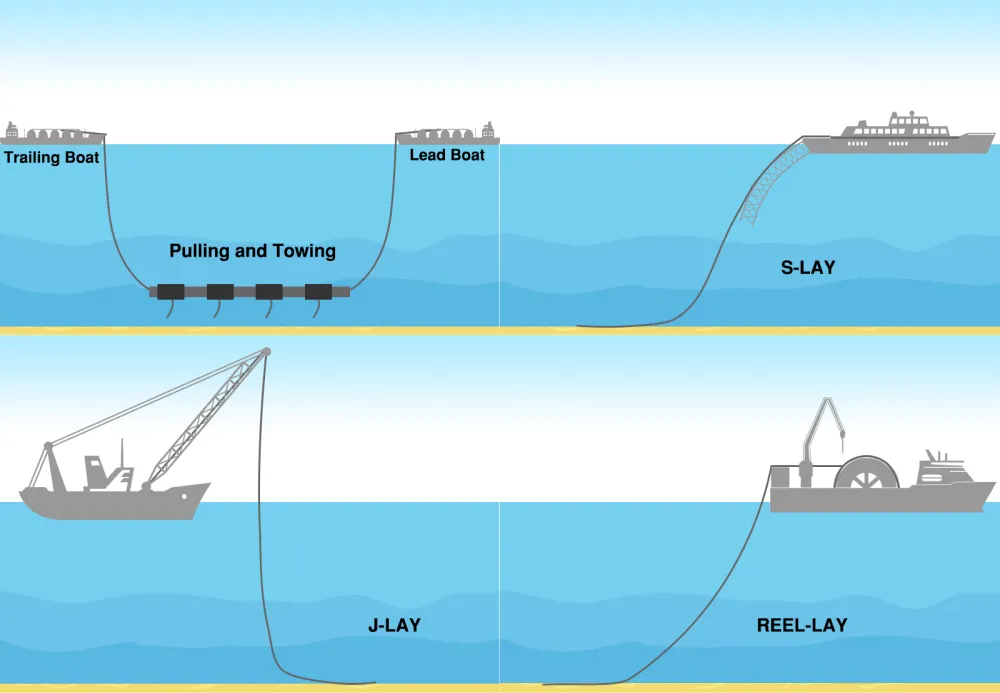
Subsea Pipe-Laying Operations — Steel infrastructure underpins the entire offshore energy value chain.
Shared Challenges and OpportunitiesChallenges:
- Declining conventional production (UK faster than Australia)
- High costs and regulatory hurdles for new projects
- Material compatibility for hydrogen/CCUS service
- Skilled workforce shortages in both steel fabrication and subsea engineering
Opportunities:
- Repurposing existing pipelines for CCUS and hydrogen (major cost savings)
- Exporting green/blue hydrogen and ammonia (especially Australia)
- Steel innovation for low-carbon infrastructure (both countries)
Related Reading on Offshore Pipeline Insight:
- Subsea Carbon Capture and Storage (CCUS) in 2026
- Subsea Pipeline Decommissioning vs Repurposing
- Innovations Driving Efficiency in Subsea Infrastructure
Conclusion
In 2026, the UK and Australia illustrate two sides of the same energy transition coin. The UK is focused on maximising remaining North Sea resources while rapidly building CCUS and hydrogen capabilities. Australia is leveraging its LNG strength to fund a future in green hydrogen and clean energy exports.
In both nations, advanced steel infrastructure — particularly subsea pipelines and offshore platforms — will be the critical enabler.
For pipeline and subsea professionals, the message is clear: expertise in materials science, integrity management for new fluids, digital twins, and robotics will be in high demand across both hemispheres.
The steel that built yesterday’s oil and gas infrastructure is now being repurposed to build tomorrow’s low-carbon energy system.
Want to deepen your knowledge? I personally recommend Subsea Pipeline Design, Analysis and Installation by Qiang Bai (https://amzn.to/4u7edfH) — it’s the book I turn to most often when working on complex subsea projects.